

When it comes to pre-installed software on your computer, it’s not uncommon to find a variety of applications that you may not be familiar with. One such application that you may come across on a VAIO laptop is VAIO Gate. In this article, we will explore what VAIO Gate is, its purpose, and whether or not you should consider removing it from your system.
What is VAIO Gate?
VAIO Gate is a software application developed by Sony specifically for VAIO laptops. It is designed to provide users with quick and easy access to their favorite applications, files, and websites. VAIO Gate appears as a dock-like interface that can be accessed by hovering the mouse cursor over the top edge of the screen or by pressing a designated hotkey.
Once opened, VAIO Gate displays a collection of icons representing various applications, folders, and websites. Users can customize the appearance of VAIO Gate by adding or removing icons, rearranging them, and even changing the background image. This allows for a personalized and convenient way to access frequently used programs and files.
Should I Remove VAIO Gate?
Whether or not you should remove VAIO Gate from your system depends on your personal preferences and usage patterns. Here are a few factors to consider:
1. Convenience and Ease of Use
VAIO Gate provides a visually appealing and user-friendly interface for accessing your favorite applications and files. If you find yourself frequently using VAIO Gate and find it convenient, there may be no need to remove it.
2. System Performance
Some users may be concerned about the impact of VAIO Gate on system performance. While VAIO Gate does consume system resources, the impact is generally minimal and should not significantly affect the overall performance of your VAIO laptop. However, if you notice a noticeable slowdown or experience any performance issues, you may consider removing VAIO Gate to free up system resources.
3. Personalization and Customization
One of the key features of VAIO Gate is its ability to be customized according to your preferences. If you enjoy the ability to personalize the appearance and layout of VAIO Gate, removing it may not be the best option for you.
4. Alternative Options
If you decide to remove VAIO Gate, it’s important to consider alternative options for accessing your favorite applications and files. Windows provides its own Start menu and taskbar, which offer similar functionality to VAIO Gate. Additionally, there are numerous third-party software applications available that provide customizable docks and launchers.
How to Remove VAIO Gate
If you have decided to remove VAIO Gate from your system, there are a few different methods you can use:
1. Uninstall via Control Panel
- Open the Control Panel on your VAIO laptop.
- Select “Programs” or “Programs and Features.”
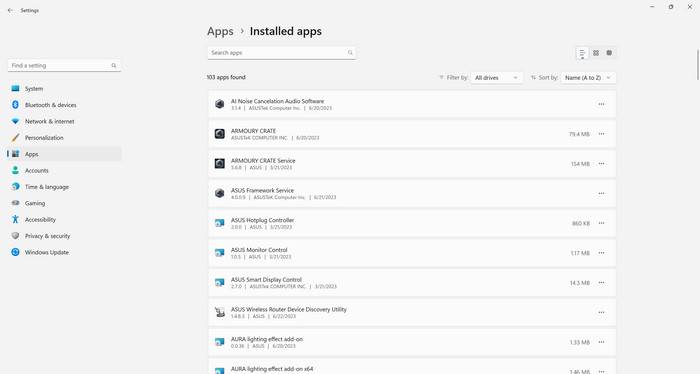
- Locate VAIO Gate in the list of installed programs.
- Click on VAIO Gate and select “Uninstall.”
- Follow the on-screen prompts to complete the uninstallation process.
2. Use a Third-Party Uninstaller
If you prefer a more thorough uninstallation process, you can use a third-party uninstaller tool like Revo Uninstaller Free. These tools can help remove any leftover files and registry entries associated with VAIO Gate, ensuring a clean uninstallation.
Conclusion
VAIO Gate is a software application developed by Sony for VAIO laptops, providing users with quick and easy access to their favorite applications, files, and websites. Whether or not you should remove VAIO Gate depends on your personal preferences and usage patterns. If you find it convenient, enjoy the customization options, and experience no performance issues, there may be no need to remove it. However, if you prefer alternative options or notice any performance issues, you can easily remove VAIO Gate using the Control Panel or a third-party uninstaller tool like Revo Uninstaller Free.
Ultimately, the decision to remove VAIO Gate is up to you and how you use your VAIO laptop. Consider your needs and preferences, and make an informed decision based on what works best for you.

Join the discussion
0 commentsShare your experience or ask a question about this article.
Discussion
Start the conversation
Have a question or something useful to share? Add the first comment.