

When it comes to pre-installed software on your computer, it’s common to wonder whether you should keep it or remove it. One such software that often raises questions is VAIO Help and Support. In this article, we will explore what VAIO Help and Support is, its purpose, and whether you should consider removing it from your VAIO computer.
What is VAIO Help and Support?
VAIO Help and Support is a software program developed by Sony specifically for VAIO computers. It is designed to provide users with assistance and troubleshooting for their VAIO devices. The software offers a range of features, including:
- Access to user manuals and guides
- Diagnostic tools for identifying hardware and software issues
- Driver and software updates
- System recovery options
- Online support resources
VAIO Help and Support aims to simplify the process of finding solutions to common problems that users may encounter with their VAIO computers. It provides a centralized hub for accessing support materials and seeking assistance.
Should I Remove VAIO Help and Support?
Now that we understand what VAIO Help and Support offers, the question arises: should you remove it from your VAIO computer? The answer depends on your specific needs and preferences. Here are a few factors to consider:
1. Accessibility to Support Resources
If you are comfortable troubleshooting issues on your own or prefer seeking support from online forums and communities, you may not find VAIO Help and Support necessary. However, if you prefer having a dedicated support tool that provides easy access to user manuals, guides, and diagnostic tools, keeping VAIO Help and Support installed can be beneficial.
2. System Performance
Some users may be concerned about the impact of pre-installed software on system performance. While VAIO Help and Support is designed to be lightweight and unobtrusive, it does consume system resources. If you have limited system resources or notice a significant impact on performance, you may consider removing it.
3. Alternative Support Options
If you already have alternative support options in place, such as a trusted technician or a preferred support service, you may not need VAIO Help and Support. However, it’s worth noting that VAIO Help and Support provides specific tools and resources tailored to VAIO devices, which may not be available through other support channels.
How to Remove VAIO Help and Support
If you have decided to remove VAIO Help and Support from your computer, here’s how you can do it:
- Open the Control Panel by searching for it in the Windows search bar.
- Click on “Programs” or “Programs and Features” depending on your version of Windows.
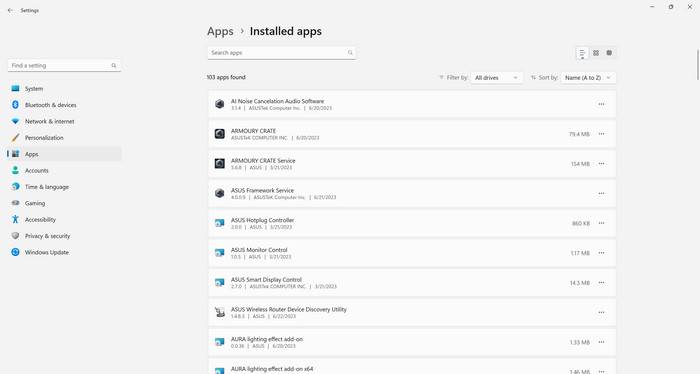
- Locate “VAIO Help and Support” in the list of installed programs.
- Right-click on it and select “Uninstall” or “Remove.”
- Follow the on-screen prompts to complete the uninstallation process.
After removing VAIO Help and Support, it’s recommended to perform a thorough scan of your computer for any potential malware or unwanted programs. Malwarebytes Free is a reliable and effective tool for this purpose. You can download it from Malwarebytes Free.
Conclusion
VAIO Help and Support is a software program developed by Sony for VAIO computers, offering assistance and troubleshooting features. Whether you should remove it depends on your specific needs and preferences. If you prefer accessing support resources through other channels, have limited system resources, or already have alternative support options in place, removing VAIO Help and Support may be a viable option.
However, if you value the convenience of having a dedicated support tool tailored to VAIO devices, with easy access to user manuals, guides, and diagnostic tools, keeping VAIO Help and Support installed can be beneficial. Ultimately, the decision should be based on your individual requirements and priorities.
Remember, if you do decide to remove VAIO Help and Support, it’s important to perform a thorough scan of your computer for any potential malware or unwanted programs. Malwarebytes Free is a reliable tool for this purpose.

Join the discussion
0 commentsShare your experience or ask a question about this article.
Discussion
Start the conversation
Have a question or something useful to share? Add the first comment.