

When it comes to optimizing the performance of your computer, it’s important to understand the various software and applications that come pre-installed on your device. One such application that you may come across on VAIO laptops is VAIO Improvement Validation. In this article, we will delve into what VAIO Improvement Validation is, its purpose, and whether or not you should remove it from your system.
What is VAIO Improvement Validation?
VAIO Improvement Validation is a software program developed by Sony specifically for VAIO laptops. Its primary function is to collect data about the performance and usage of VAIO laptops in order to improve the overall user experience. The program gathers information such as hardware specifications, software usage, and system performance metrics.
VAIO Improvement Validation operates in the background and periodically sends this collected data to Sony’s servers. The data is then analyzed by Sony’s engineers to identify any potential issues or areas for improvement. This information is used to develop software updates, driver updates, and other optimizations to enhance the performance and reliability of VAIO laptops.
Should I Remove VAIO Improvement Validation?
Now that we understand what VAIO Improvement Validation does, the question arises: should you remove it from your system? The answer depends on your personal preferences and concerns.
Here are some factors to consider:
1. Privacy Concerns
One of the main concerns users have with VAIO Improvement Validation is the privacy of their data. Since the program collects information about your system and sends it to Sony’s servers, some users may feel uncomfortable with this level of data collection.
If you are concerned about your privacy and do not want your data to be collected and analyzed by Sony, you may consider removing VAIO Improvement Validation from your system.
2. Performance Impact
Another factor to consider is the impact of VAIO Improvement Validation on your system’s performance. While the program operates in the background, it may consume some system resources, albeit minimal.
If you have a low-end or older VAIO laptop and notice a significant impact on performance, removing VAIO Improvement Validation may be a viable option to free up system resources.
3. Benefits of Data Collection
On the other hand, it’s important to consider the potential benefits of VAIO Improvement Validation. By allowing Sony to collect data about your system, you are contributing to the improvement of VAIO laptops as a whole.
The data collected by VAIO Improvement Validation helps Sony identify common issues, develop software updates, and enhance the overall user experience. By keeping the program installed, you are indirectly contributing to the ongoing development and improvement of VAIO laptops.
How to Remove VAIO Improvement Validation
If you have decided to remove VAIO Improvement Validation from your system, there are a few methods you can use:
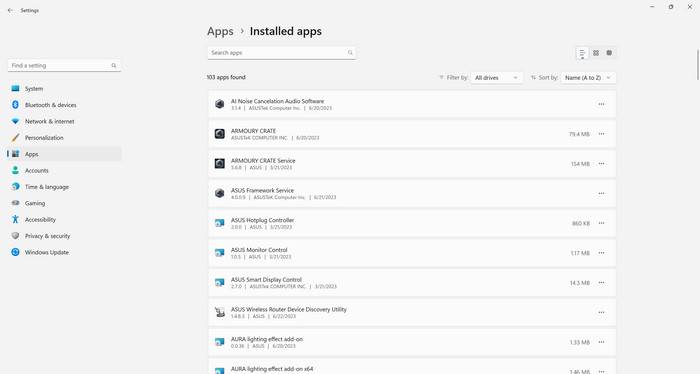
- Uninstalling through Control Panel: You can uninstall VAIO Improvement Validation like any other program through the Control Panel on your Windows system. Simply navigate to the “Programs and Features” section, locate VAIO Improvement Validation, and click on “Uninstall.”
- Using a Third-Party Uninstaller: If you prefer a more thorough uninstallation process, you can use a third-party uninstaller tool like Revo Uninstaller Free. These tools can help remove any leftover files or registry entries associated with VAIO Improvement Validation.
It’s important to note that removing VAIO Improvement Validation will not have any negative impact on the functionality of your VAIO laptop. The program is not essential for the basic operation of your device and can be safely uninstalled if desired.
Conclusion
VAIO Improvement Validation is a software program developed by Sony for VAIO laptops to collect data about system performance and usage. While it can contribute to the ongoing improvement of VAIO laptops, some users may have privacy concerns or experience performance impacts.
If you are concerned about privacy or notice a significant impact on performance, removing VAIO Improvement Validation may be a suitable option. You can uninstall it through the Control Panel or use a third-party uninstaller tool for a more thorough removal process.
Ultimately, the decision to remove VAIO Improvement Validation depends on your personal preferences and priorities. Consider the factors discussed in this article and make an informed decision based on your specific needs.

Join the discussion
0 commentsShare your experience or ask a question about this article.
Discussion
Start the conversation
Have a question or something useful to share? Add the first comment.