

When it comes to pre-installed software on your computer, it’s important to understand what each program does and whether or not it is necessary for your needs. One such program that often comes pre-installed on VAIO laptops is the VAIO Media Gallery. In this article, we will explore what the VAIO Media Gallery is, its features, and whether or not you should consider removing it from your system.
What is VAIO Media Gallery?
The VAIO Media Gallery is a multimedia management software developed by Sony specifically for VAIO laptops. It is designed to provide users with a convenient way to organize, view, and share their photos, videos, and music files. The software offers a user-friendly interface and various features to enhance the media viewing experience.
Some of the key features of VAIO Media Gallery include:
- Media organization: The software allows users to organize their media files into albums, making it easier to locate and access specific files.
- Slideshow creation: Users can create customized slideshows with their photos and add background music to enhance the viewing experience.
- Video playback: VAIO Media Gallery supports various video formats and provides a smooth playback experience.
- Music player: The software includes a built-in music player that allows users to play their favorite songs and create playlists.
- Sharing options: Users can easily share their media files with friends and family through email or social media platforms.
Should I Remove VAIO Media Gallery?
Whether or not you should remove VAIO Media Gallery from your system depends on your personal preferences and usage patterns. Here are a few factors to consider:
1. Disk Space:
If you are running low on disk space, removing unnecessary software can help free up valuable storage. VAIO Media Gallery, although not a large program, does take up some space on your hard drive. If you rarely use the software or have alternative media management tools, removing it can be a viable option.
2. Performance:
Some users may find that certain pre-installed software, including VAIO Media Gallery, can slow down their system’s performance. If you notice any performance issues or experience lag while using the software, removing it might improve your overall system performance.
3. Alternative Software:
If you already have alternative media management software that meets your needs, you may not require VAIO Media Gallery. Consider whether the features offered by the software are essential to your media management workflow. If not, removing it can help streamline your system and reduce clutter.
4. Security:
While VAIO Media Gallery itself is not known to be a security risk, it’s always a good practice to regularly review and remove unnecessary software from your system. Removing unused programs reduces the potential attack surface and minimizes the risk of vulnerabilities being exploited. If you decide to remove VAIO Media Gallery, make sure to use a reliable antivirus program to scan your system for any potential malware. We recommend using Malwarebytes Free for a thorough scan.
How to Remove VAIO Media Gallery?
If you have decided to remove VAIO Media Gallery from your system, here’s how you can do it:
- Open the Control Panel on your Windows computer.
- Select “Uninstall a program” or “Programs and Features.”
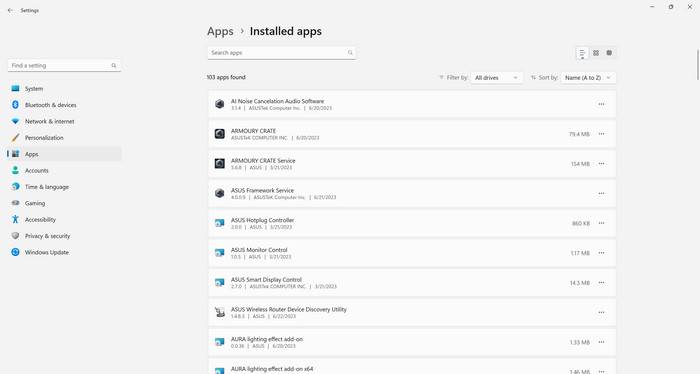
- Locate VAIO Media Gallery in the list of installed programs.
- Right-click on VAIO Media Gallery and select “Uninstall.”
- Follow the on-screen prompts to complete the uninstallation process.
After the uninstallation is complete, it is recommended to restart your computer to ensure that all traces of the software are removed.
Conclusion
VAIO Media Gallery is a multimedia management software designed specifically for VAIO laptops. While it offers various features to enhance the media viewing experience, removing it from your system can be a viable option depending on your personal preferences and usage patterns. Consider factors such as disk space, performance, alternative software, and security when deciding whether or not to remove VAIO Media Gallery. If you choose to remove it, make sure to use a reliable antivirus program to scan your system for any potential malware. Remember, it’s always important to regularly review and remove unnecessary software to maintain a clean and efficient system.

Join the discussion
0 commentsShare your experience or ask a question about this article.
Discussion
Start the conversation
Have a question or something useful to share? Add the first comment.