

When it comes to managing the data on our computers, it’s important to understand what each file and program does. One such program that may raise questions for VAIO laptop users is the VAIO Movie Story Template Data. In this article, we will delve into what this program is, its purpose, and whether or not it should be removed from your system.
What is VAIO Movie Story Template Data?
VAIO Movie Story Template Data is a pre-installed program that comes with VAIO laptops. It is designed to provide users with pre-made templates for creating movies and slideshows. These templates include various themes, transitions, and effects that can be used to enhance the visual appeal of your videos.
The program is typically located in the “Program Files” or “Program Files (x86)” folder on your computer’s hard drive. It consists of a collection of files and folders that contain the necessary data for the templates to function properly.
What is the Purpose of VAIO Movie Story Template Data?
The purpose of VAIO Movie Story Template Data is to simplify the process of creating movies and slideshows for VAIO laptop users. By providing pre-made templates, the program eliminates the need for users to start from scratch when creating their videos. This can be particularly useful for individuals who are not familiar with video editing software or who simply want to save time.
The templates offered by VAIO Movie Story Template Data include a range of themes, such as birthdays, vacations, and weddings, allowing users to easily customize their videos to suit the occasion. The program also provides various transitions and effects that can be applied to enhance the overall visual experience.
Should I Remove VAIO Movie Story Template Data?
Whether or not you should remove VAIO Movie Story Template Data depends on your personal preferences and usage of the program. Here are a few factors to consider:
1. Disk Space:
If you are running low on disk space, removing VAIO Movie Story Template Data can free up a significant amount of storage. The program and its associated files can take up several gigabytes of space on your hard drive, which may be valuable if you need the extra room for other applications or files.
2. Usage:
If you frequently use the pre-made templates and find them valuable for your video editing needs, it may be worth keeping VAIO Movie Story Template Data installed. Removing the program would mean losing access to these templates, and you would need to find alternative resources or software to achieve similar effects.
3. Performance:
In some cases, users have reported that VAIO Movie Story Template Data can slow down their computers. If you notice a decrease in performance or experience lag when using the program, removing it may help improve the overall speed and responsiveness of your system.
How to Remove VAIO Movie Story Template Data?
If you have decided to remove VAIO Movie Story Template Data from your system, there are a few methods you can use:
1. Uninstall via Control Panel:
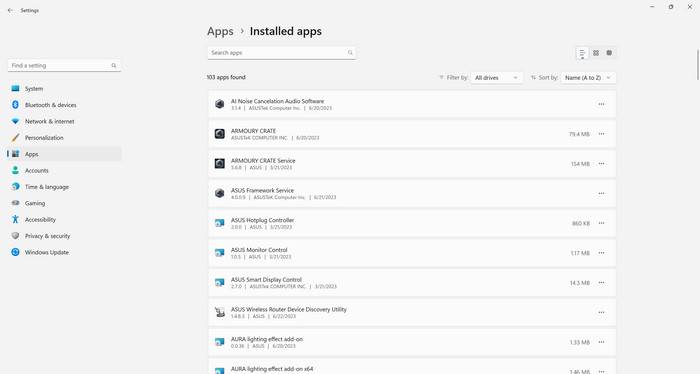
The most straightforward way to remove the program is through the Control Panel on your Windows computer. Here’s how:
- Open the Control Panel by searching for it in the Start menu.
- Click on “Programs” or “Programs and Features.”
- Locate VAIO Movie Story Template Data in the list of installed programs.
- Select the program and click on “Uninstall.”
- Follow the on-screen prompts to complete the uninstallation process.
2. Use a Third-Party Uninstaller:
If you prefer a more thorough removal process, you can use a third-party uninstaller tool like Revo Uninstaller Free. These tools can help remove any leftover files and registry entries associated with the program, ensuring a clean uninstallation.
Conclusion
VAIO Movie Story Template Data is a pre-installed program that provides users with pre-made templates for creating movies and slideshows on VAIO laptops. Whether or not you should remove it depends on your personal preferences, disk space availability, and usage of the program.
If you find the templates valuable and frequently use them, it may be worth keeping VAIO Movie Story Template Data installed. However, if you are running low on disk space or experience performance issues, removing the program can free up storage and potentially improve your system’s speed.
When removing VAIO Movie Story Template Data, you can use the Control Panel’s uninstall feature or opt for a third-party uninstaller tool for a more thorough removal process. Ultimately, the decision to remove the program rests with you and your specific needs.

Join the discussion
0 commentsShare your experience or ask a question about this article.
Discussion
Start the conversation
Have a question or something useful to share? Add the first comment.