

When it comes to optimizing your computer’s performance, it’s important to understand the various software and applications installed on your system. One such application that you may come across on your VAIO computer is the PlayMemories Home Plug-in. In this article, we will delve into what the PlayMemories Home Plug-in is, its purpose, and whether or not you should consider removing it from your system.
What is the PlayMemories Home Plug-in?
The PlayMemories Home Plug-in is a software component that comes pre-installed on VAIO computers. It is designed to enhance the functionality of the PlayMemories Home application, which is a multimedia management software developed by Sony. The plug-in allows users to easily import, organize, and edit their photos and videos.
With the PlayMemories Home Plug-in, users can connect their digital cameras or smartphones to their VAIO computer and transfer media files directly to the PlayMemories Home application. This makes it convenient for users to manage their multimedia content in one centralized location.
Should I Remove the PlayMemories Home Plug-in?
Whether or not you should remove the PlayMemories Home Plug-in depends on your personal preferences and usage of the PlayMemories Home application. Here are a few factors to consider:
1. Usage of PlayMemories Home:
If you frequently use the PlayMemories Home application to manage your multimedia content, it is recommended to keep the PlayMemories Home Plug-in installed. Removing the plug-in may limit the functionality and integration between your VAIO computer and the PlayMemories Home application.
2. Storage Space:
If you are concerned about the amount of storage space on your VAIO computer, removing unnecessary applications can help free up space. However, it’s important to note that the PlayMemories Home Plug-in itself does not consume a significant amount of storage space. Therefore, removing it solely for the purpose of saving storage space may not be necessary.
3. Performance Impact:
In general, the PlayMemories Home Plug-in does not have a significant impact on the overall performance of your VAIO computer. However, if you notice any performance issues or slowdowns, it may be worth considering removing the plug-in to see if it improves the performance of your system.
How to Remove the PlayMemories Home Plug-in?
If you have decided to remove the PlayMemories Home Plug-in from your VAIO computer, here are the steps to do so:
- Open the Control Panel on your VAIO computer.
- Select “Uninstall a program” or “Programs and Features.”
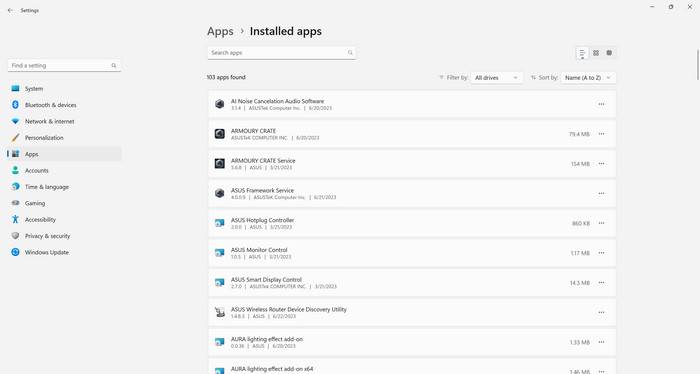
- Locate the PlayMemories Home Plug-in in the list of installed programs.
- Right-click on the PlayMemories Home Plug-in and select “Uninstall.”
- Follow the on-screen prompts to complete the uninstallation process.
After the PlayMemories Home Plug-in has been successfully uninstalled, you may need to restart your computer for the changes to take effect.
Scanning for Malware
Before removing any software or application from your computer, it is always a good practice to scan your system for malware. Malware can disguise itself as legitimate software, and removing it without proper scanning can lead to potential security risks.
We recommend using Malwarebytes Free to scan your system for any potential malware. Malwarebytes is a trusted and effective anti-malware software that can help detect and remove any malicious programs that may be present on your computer.
Conclusion
The PlayMemories Home Plug-in is a software component that enhances the functionality of the PlayMemories Home application on VAIO computers. Whether or not you should remove it depends on your usage of the application, storage space concerns, and any performance issues you may be experiencing.
If you decide to remove the PlayMemories Home Plug-in, follow the steps outlined in this article and consider scanning your system for malware using Malwarebytes Free. By making informed decisions about the software and applications on your computer, you can optimize its performance and ensure a secure computing experience.

Join the discussion
0 commentsShare your experience or ask a question about this article.
Discussion
Start the conversation
Have a question or something useful to share? Add the first comment.