

When it comes to pre-installed software on your computer, it’s important to understand what each program does and whether or not it is necessary for your daily use. One such program that often comes pre-installed on VAIO laptops is VAIO Quick Web Access. In this article, we will explore what VAIO Quick Web Access is, its features, and whether or not you should consider removing it from your system.
What is VAIO Quick Web Access?
VAIO Quick Web Access is a software program developed by Sony specifically for VAIO laptops. It is designed to provide users with quick and easy access to the internet without having to fully boot up the operating system. Essentially, it allows users to browse the web, check emails, and perform other online activities without waiting for the entire system to load.
VAIO Quick Web Access is typically accessed by pressing a dedicated button on the laptop’s keyboard, which launches a separate operating system that is stored in a separate partition on the hard drive. This separate operating system is lightweight and boots up quickly, allowing users to access the internet within seconds.
Features of VAIO Quick Web Access
VAIO Quick Web Access offers several features that make it a convenient tool for users who need quick access to the internet. Some of its key features include:
- Fast Boot Time: VAIO Quick Web Access allows users to access the internet within seconds, eliminating the need to wait for the entire operating system to load.
- Web Browsing: Users can browse the internet using a lightweight web browser that is included with VAIO Quick Web Access.
- Email Access: The program also provides users with the ability to check their emails without having to fully boot up the operating system.
- Media Playback: VAIO Quick Web Access supports media playback, allowing users to watch videos or listen to music stored on their laptop.
Should I Remove VAIO Quick Web Access?
While VAIO Quick Web Access offers convenience and quick access to the internet, there are a few factors to consider before deciding whether or not to remove it from your system.
1. Limited Functionality
One of the main drawbacks of VAIO Quick Web Access is its limited functionality. Since it is a separate operating system, it does not offer the same features and capabilities as a full-fledged operating system like Windows or macOS. Users may find that certain websites or web applications do not work properly or are not compatible with VAIO Quick Web Access.
2. Security Risks
Another concern with VAIO Quick Web Access is the potential security risks it may pose. Since it is a separate operating system, it may not receive regular security updates and patches like the main operating system. This could leave users vulnerable to malware and other online threats.
If you decide to keep VAIO Quick Web Access on your system, it is important to ensure that you have a reliable antivirus program installed and regularly scan your system for malware. Malwarebytes Free is a popular choice for scanning and removing malware.
3. Personal Preference
Ultimately, the decision to remove VAIO Quick Web Access comes down to personal preference. If you find that you rarely use the program and prefer to boot up your full operating system for all your online activities, then removing it may free up valuable storage space on your hard drive.
How to Remove VAIO Quick Web Access
If you have decided to remove VAIO Quick Web Access from your system, here are the steps to do so:
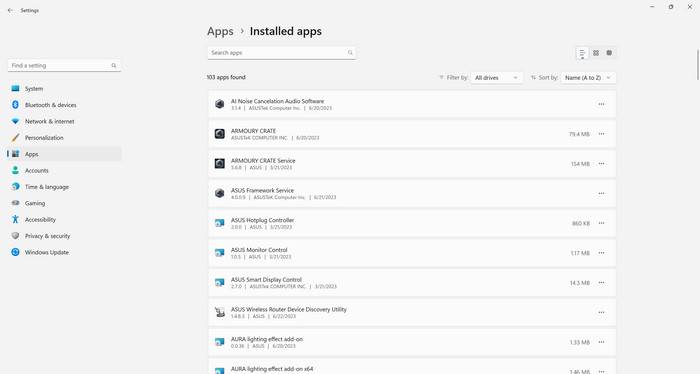
- Open the Control Panel on your VAIO laptop.
- Select “Programs” or “Programs and Features.”
- Locate VAIO Quick Web Access in the list of installed programs.
- Click on VAIO Quick Web Access and select “Uninstall.”
- Follow the on-screen prompts to complete the uninstallation process.
After the uninstallation is complete, it is recommended to restart your computer to ensure that all traces of VAIO Quick Web Access have been removed.
Conclusion
VAIO Quick Web Access can be a useful tool for users who need quick access to the internet without waiting for the full operating system to load. However, it does come with limitations and potential security risks. Ultimately, the decision to remove VAIO Quick Web Access should be based on personal preference and individual needs. If you rarely use the program and prefer the full functionality and security of your main operating system, removing it may be a viable option.
Remember to regularly scan your system for malware, especially if you decide to keep VAIO Quick Web Access installed. Malwarebytes Free is a reliable choice for scanning and removing malware.

Join the discussion
0 commentsShare your experience or ask a question about this article.
Discussion
Start the conversation
Have a question or something useful to share? Add the first comment.