

When you purchase a new computer, it often comes preloaded with various software and applications. These preinstalled programs, commonly referred to as bloatware, can take up valuable storage space and potentially slow down your system. One such example is VAIO Sample Contents, which is often found on VAIO laptops and desktops. In this article, we will explore what VAIO Sample Contents is, its purpose, and whether or not you should remove it from your device.
What is VAIO Sample Contents?
VAIO Sample Contents is a collection of preinstalled software and applications that come bundled with VAIO laptops and desktops. These samples are meant to showcase the capabilities of the device and provide users with a glimpse of what they can do with their new VAIO computer. The software included in VAIO Sample Contents can vary depending on the model and region.
Some common examples of software found in VAIO Sample Contents include multimedia applications, productivity tools, and trial versions of popular software. These samples are often provided by third-party developers who have partnered with VAIO to promote their products.
The Purpose of VAIO Sample Contents
The main purpose of VAIO Sample Contents is to introduce users to the features and capabilities of their new VAIO device. By including a variety of software samples, VAIO aims to showcase the versatility of their products and provide users with a starting point for exploring different applications.
Additionally, VAIO Sample Contents can serve as a marketing tool for third-party developers. By bundling their software with VAIO devices, developers can reach a wider audience and potentially increase their user base. This mutually beneficial partnership allows VAIO to offer additional value to their customers while providing developers with a platform to promote their products.
Should You Remove VAIO Sample Contents?
Whether or not you should remove VAIO Sample Contents from your device depends on your personal preferences and needs. Here are a few factors to consider:
1. Storage Space
One of the main reasons users choose to remove bloatware is to free up storage space on their devices. If you find that the preinstalled software is taking up a significant amount of space and you have no intention of using it, removing VAIO Sample Contents can be a viable option.
However, it’s important to note that the amount of storage space occupied by VAIO Sample Contents may vary depending on the specific software included and the model of your VAIO device. Before deciding to remove it, consider checking the size of the software and comparing it to your available storage capacity.
2. Performance
Another factor to consider is the impact of VAIO Sample Contents on your device’s performance. While the preinstalled software may not significantly affect the overall performance of your VAIO device, it’s possible that some applications running in the background could consume system resources.
If you notice any performance issues or experience slow system responsiveness, it may be worth removing VAIO Sample Contents to eliminate any potential resource-hogging applications.
3. Personal Preferences
Ultimately, the decision to remove VAIO Sample Contents should be based on your personal preferences and usage patterns. If you have no interest in the preinstalled software and prefer a clean and minimalistic system, removing it can help streamline your device and provide a clutter-free user experience.
On the other hand, if you find value in the included software and believe that it enhances your computing experience, there may be no need to remove VAIO Sample Contents.
How to Remove VAIO Sample Contents
If you have decided to remove VAIO Sample Contents from your device, there are a few methods you can use:
1. Uninstalling Individual Applications
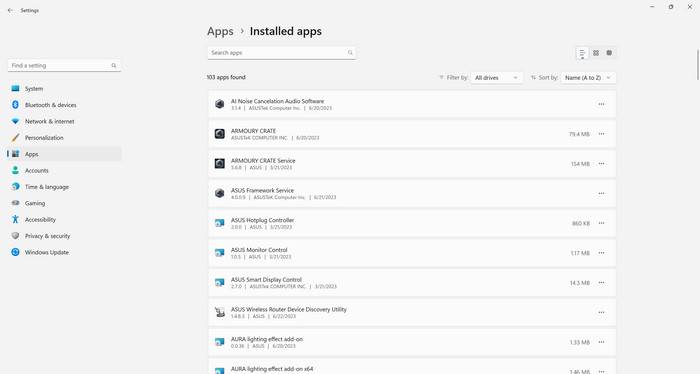
The simplest way to remove VAIO Sample Contents is to uninstall the individual applications you no longer want. To do this, follow these steps:
- Open the Start menu and navigate to the “Control Panel.”
- Click on “Programs” or “Programs and Features.”
- Locate the software you want to remove from the list of installed programs.
- Right-click on the software and select “Uninstall” or “Remove.”
- Follow the on-screen prompts to complete the uninstallation process.
2. Using Third-Party Uninstaller Tools
If you prefer a more comprehensive approach to removing VAIO Sample Contents, you can use third-party uninstaller tools. These tools are designed to scan your system for installed software and provide a streamlined way to uninstall multiple applications at once.
One such tool is Malwarebytes Free, which not only helps you remove unwanted software but also scans for potential malware threats. It offers a user-friendly interface and can help you efficiently manage and uninstall VAIO Sample Contents.
Conclusion
VAIO Sample Contents can be a useful feature for users who want to explore the capabilities of their new VAIO device and discover new software. However, if you find that the preinstalled applications are taking up valuable storage space or impacting your device’s performance, removing VAIO Sample Contents may be a viable option.
Consider your storage needs, performance requirements, and personal preferences before deciding whether or not to remove VAIO Sample Contents. If you choose to remove it, you can uninstall individual applications or use third-party uninstaller tools like Malwarebytes Free to streamline the process.
Remember, the decision to remove VAIO Sample Contents is subjective, and what works for one user may not work for another. Evaluate your needs and preferences to ensure you have a clutter-free and optimized computing experience.

Join the discussion
0 commentsShare your experience or ask a question about this article.
Discussion
Start the conversation
Have a question or something useful to share? Add the first comment.