

When it comes to keeping your computer up to date and running smoothly, software updates play a crucial role. They often bring new features, bug fixes, and security patches that enhance the overall performance and protect your system from potential threats. However, not all software updates are created equal, and it’s important to understand what each update does before deciding whether to keep it or remove it.
What is VAIO Update?
VAIO Update is a software program developed by Sony specifically for VAIO computers. It is designed to keep your VAIO system up to date by automatically downloading and installing the latest drivers, firmware, and software updates released by Sony. VAIO Update ensures that your computer is running on the latest version of VAIO-specific software, which can improve system stability, compatibility, and performance.
VAIO Update is typically pre-installed on VAIO computers and runs in the background, periodically checking for updates and notifying you when new updates are available. It provides a convenient way to stay on top of the latest software releases without manually searching for updates on Sony’s website.
Should I Remove VAIO Update?
While VAIO Update serves a useful purpose, there are a few factors to consider before deciding whether to keep it or remove it from your system.
1. Reliability and Effectiveness
Some users have reported issues with VAIO Update, such as failed updates or compatibility problems. In rare cases, the software may even cause system crashes or other technical glitches. However, it’s important to note that these issues are relatively uncommon, and the majority of users have a positive experience with VAIO Update.
If you have encountered problems with VAIO Update in the past, it may be worth considering whether the benefits of the software outweigh the potential risks. You can also try troubleshooting the issues by reinstalling or updating VAIO Update to see if it resolves any compatibility or performance problems.
2. Alternative Update Methods
Another factor to consider is whether there are alternative methods available to update your VAIO system. Sony provides manual downloads for drivers, firmware, and software updates on their website, allowing you to update your system without relying on VAIO Update. However, manually downloading and installing updates can be time-consuming and may require more technical knowledge.
If you prefer a more automated and convenient update process, VAIO Update may still be the best option for you. It streamlines the update process by automatically detecting and installing the latest updates, saving you time and effort.
3. Security Considerations
One of the primary reasons to keep software up to date is to ensure the security of your system. Outdated software can contain vulnerabilities that hackers can exploit to gain unauthorized access to your computer or steal sensitive information. VAIO Update plays a crucial role in keeping your VAIO system secure by providing security patches and updates.
Removing VAIO Update may leave your system vulnerable to potential security threats if you don’t have an alternative method in place to regularly update your VAIO-specific software. In such cases, it is recommended to find a reliable alternative or manually check for updates on Sony’s website.
How to Remove VAIO Update?
If you have decided to remove VAIO Update from your system, you can do so by following these steps:
- Open the Control Panel on your VAIO computer.
- Select “Programs” or “Programs and Features.”
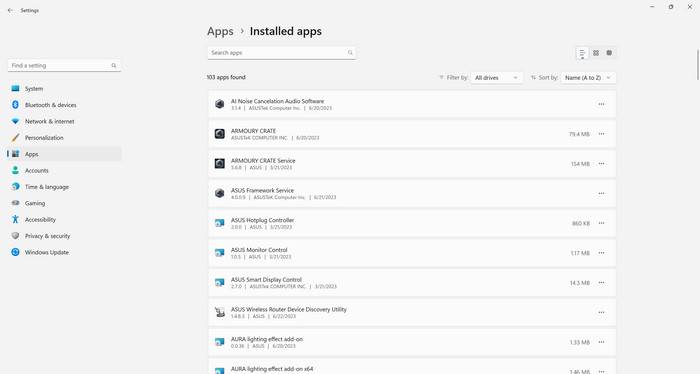
- Locate VAIO Update in the list of installed programs.
- Right-click on VAIO Update and select “Uninstall” or “Remove.”
- Follow the on-screen instructions to complete the uninstallation process.
After removing VAIO Update, it is recommended to regularly check Sony’s website for updates manually or consider using alternative software update tools to ensure your VAIO system remains up to date.
Conclusion
VAIO Update is a software program developed by Sony specifically for VAIO computers to keep them up to date with the latest drivers, firmware, and software updates. While it provides a convenient way to stay on top of updates, there are factors to consider before deciding whether to keep or remove it.
Reliability, alternative update methods, and security considerations should all be taken into account when making this decision. If you have experienced issues with VAIO Update in the past, you may want to consider alternative update methods or troubleshoot the software. However, if you value convenience and automated updates, VAIO Update may still be the best option for you.
Ultimately, the decision to remove VAIO Update should be based on your specific needs and preferences. Regardless of your choice, it is important to regularly update your VAIO system to ensure optimal performance and security.

Join the discussion
0 commentsShare your experience or ask a question about this article.
Discussion
Start the conversation
Have a question or something useful to share? Add the first comment.