

Scam websites impersonating Warner Bros. Studio Tour London are becoming a serious risk for Harry Potter fans planning a visit to the famous London attraction.
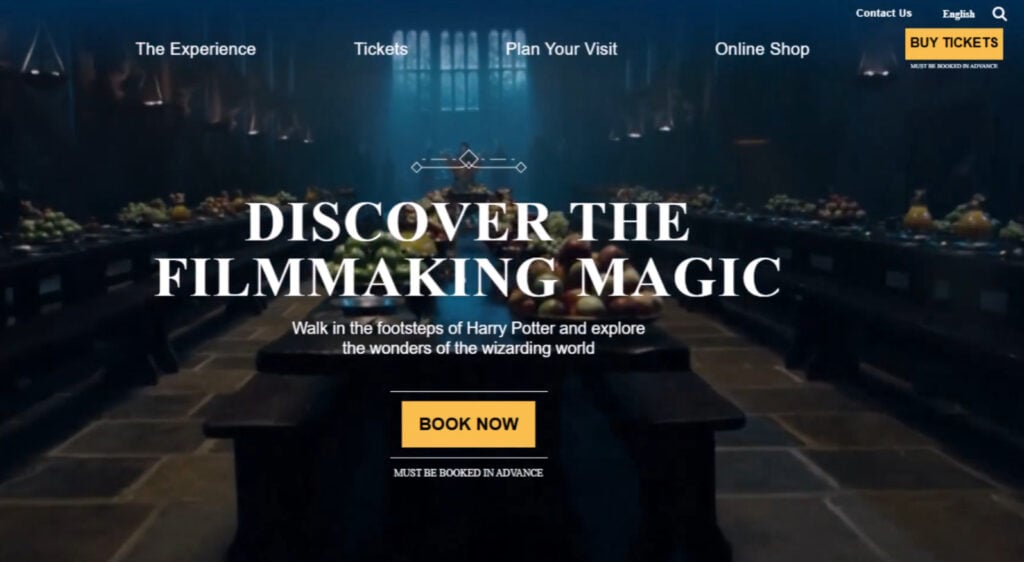
These fake booking pages can look polished, professional, and surprisingly convincing. They use familiar branding, real tour names, official-looking images, and smooth checkout pages to make visitors believe they are buying legitimate tickets.
The danger is simple: people enter their card details, authorize the payment, and only later discover that the tickets do not exist.
Scam Overview
Warner Bros. Studio Tour London is one of the most popular attractions for Harry Potter fans visiting the United Kingdom. The official experience, known as Warner Bros. Studio Tour London: The Making of Harry Potter, lets visitors walk through real sets, see original props and costumes, and explore the filmmaking world behind the Harry Potter movies.
Because demand is high and tickets often need to be booked in advance, scammers have found a profitable opportunity. They create fake Warner Bros Studio Tour London ticket websites designed to look almost identical to legitimate booking pages.
The official Warner Bros. Studio Tour London website states that tickets should be booked through the official Studio Tour websites, including www.wbstudiotour.co.uk for information and book.wbstudiotour.com for ticket bookings. The official terms also warn visitors to watch for fraudulent look-alike websites before booking.
That warning matters because these scam sites are not always crude or obvious. Many are carefully built to reduce suspicion.
A fake Warner Bros Studio Tour London website may include:
- Warner Bros. logos
- Harry Potter studio tour imagery
- Real attraction names
- Real seasonal event names
- Multi-language menus
- Polished navigation
- Fake or copied ticket availability
- Links to legitimate review pages
- A secure-looking checkout page
- Card payment forms that appear normal
Some victims have reported fake sites listing real 2026 events such as Magical Mischief, Dark Arts, and Hogwarts in the Snow. These details make the scam more believable because they match real kinds of seasonal experiences promoted around the official Studio Tour.
The trick is psychological. A visitor searching for tickets already expects a professional-looking website, a booking calendar, time slots, and a payment form. When the fake website provides all of that, the page feels normal.
The scam usually starts when someone searches Google, clicks a sponsored ad, follows a social media link, or lands on a look-alike domain while trying to find tickets. The fake page may use words like “Warner,” “Bros,” “Studio,” “Tour,” “London,” “Harry,” or “Potter” inside the domain name.
That can create a dangerous illusion of legitimacy.
The biggest red flag is the domain itself. Scam sites often rely on small changes that are easy to miss, especially on a phone screen. The domain may include extra words, hyphens, unusual endings, or country-style variations that seem plausible at first glance.
For example, a fake site might use a name that looks close to Warner Bros. Studio Tour London but is not one of the official domains. A Reddit user recently described a fake impersonation site and stated that the real booking site is book.wbstudiotour.com, while TripAdvisor responses from the official Studio Tour have also warned visitors to make sure they are on www.wbstudiotour.co.uk or book.wbstudiotour.com.
This is why these scams are so effective. They do not need to convince everyone. They only need to catch people at the exact moment they are excited, distracted, or in a hurry to secure tickets.
Many victims do not realize anything is wrong until after payment. Sometimes the payment amount looks believable. Sometimes the checkout even uses 3D Secure verification, which makes the transaction feel safer.
But 3D Secure does not automatically mean the merchant is legitimate. It only means the cardholder authorized a transaction through an additional security step. If the website itself is fraudulent, the money can still go to scammers.
That creates a painful problem for victims. Banks may sometimes treat the payment as authorized because the cardholder approved it. This can make chargebacks or reversals harder, although victims should still contact their bank immediately and dispute the transaction.
The scam is especially harmful because it targets families, tourists, and fans planning a special trip. Many people book Warner Bros. Studio Tour London tickets as part of a vacation, birthday, school holiday, or once-in-a-lifetime Harry Potter experience.
Losing money is bad enough. Losing the tickets and having to explain the situation to children or travel companions makes the experience even more upsetting.
How The Scam Works
1. Scammers Build a Professional-Looking Fake Website
The scam begins with a website that looks like a real ticket booking platform.
The page may copy the visual style of the official Warner Bros. Studio Tour London brand. It may use similar colors, official-looking images, menu labels, and tour descriptions.
Some fake pages are basic, but the more dangerous ones are highly polished. They may include:
- A homepage that looks like a real attraction website
- A full ticket booking section
- Visitor information pages
- Frequently asked questions
- Language options
- Footer links
- Contact pages
- Fake terms and conditions
- Real attraction photos
- Copied descriptions from legitimate sources
This level of detail lowers suspicion. Visitors are used to seeing official tourism websites that include menus, event pages, booking calendars, and large visual banners. When the fake site includes all these elements, it feels familiar.
2. They Use a Look-Alike Domain Name
The domain name is the most important part of the scam.
Scammers choose web addresses that look close enough to the real brand to pass a quick glance. They may use combinations of words such as:
- Warner
- Bros
- Studio
- Tour
- London
- Harry Potter
- Tickets
- UK
- Booking
The domain may look convincing in search results, especially when the page title says something like “Warner Bros Studio Tour London Tickets” or “Harry Potter Studio Tour Official Booking.”
But a page title is not proof of legitimacy. Anyone can write a page title. Anyone can buy a domain that contains similar words.
The official website for information is www.wbstudiotour.co.uk, and official ticket booking is handled through book.wbstudiotour.com. The official site says visitors can book tickets direct through the Warner Bros. Studio Tour London website.
Before paying, users should slow down and inspect the exact domain.
Common warning signs include:
- Extra words before or after the brand name
- Hyphens inserted into the domain
- Strange endings such as unfamiliar country domains
- Domains that include “official” but are not official
- URLs that redirect several times
- Domains that do not match the official booking domain
- Recently created websites with no reliable history
A site can have HTTPS and still be fake. The padlock only means the connection is encrypted. It does not prove that the business behind the website is legitimate.
3. They Copy Real Events and Tour Details
A fake website becomes more convincing when it includes real event names and accurate tour details.
Scammers often scrape or copy public information from official sources. That can include seasonal features, ticket categories, prices, opening details, visitor information, or attraction descriptions.
For Warner Bros. Studio Tour London, scammers may mention real or plausible events such as:
- Magical Mischief
- Dark Arts
- Hogwarts in the Snow
- Special seasonal tours
- Family tickets
- Gift tickets
- Hotel and ticket packages
These details are designed to make the visitor think, “This must be real because the information matches what I saw elsewhere.”
That is exactly the trap.
Scam websites often mix real information with fake checkout systems. The tour descriptions may be copied from legitimate pages, while the payment form sends money to criminals.
4. They Add Trust Signals to Reduce Doubt
Scammers know that people look for reassurance before paying online. So they build trust signals into the fake site.
These may include:
- Logos from well-known brands
- Fake security badges
- Fake customer ratings
- Links to real TripAdvisor reviews
- Claims about secure payment
- Claims about official partnerships
- Professional design
- Payment card logos
- Customer service phone numbers
- Countdown timers or ticket scarcity messages
One particularly manipulative tactic is linking to real review pages for the genuine attraction. This makes users feel like they are checking social proof, but the reviews belong to the real Warner Bros. Studio Tour London, not the fake ticket website.
A real TripAdvisor page does not prove the booking page is legitimate. It only proves the attraction exists and has reviews.
That distinction is critical.
5. They Push Visitors Toward Payment
Once the visitor selects tickets, the fake site moves them to checkout.
The checkout may ask for:
- Full name
- Email address
- Phone number
- Billing address
- Card number
- Expiration date
- CVV code
- 3D Secure approval
- Travel date and time slot
The payment page may feel completely normal. It may even trigger a bank verification step.
This is where many victims relax. They assume that if their bank asks them to approve the transaction, the website must be legitimate.
That is not true.
A bank verification step confirms that the cardholder approved the payment. It does not guarantee that the merchant is official, honest, or authorized to sell Warner Bros. Studio Tour London tickets.
Once payment is approved, the victim may receive:
- No confirmation email
- A fake confirmation email
- A low-quality PDF ticket
- A suspicious booking reference
- A receipt from an unfamiliar merchant
- A charge under a strange business name
Some victims only notice the problem when the confirmation does not arrive, the merchant name looks wrong, or they compare the domain with the official website.
6. The Tickets Never Arrive or Cannot Be Used
After payment, the scam becomes clear.
The victim may try to contact the website and receive no response. The contact form may not work. The email may bounce. The phone number may be fake, inactive, or answered by someone unrelated.
In other cases, the scammers may send a fake ticket to delay suspicion. This gives them time to process the payment, move funds, or target more victims before the domain is reported.
The victim may discover the truth when:
- The official Studio Tour cannot find the booking
- The ticket barcode is invalid
- The confirmation number does not exist
- The fake site disappears
- The bank statement shows an unfamiliar merchant
- Customer support stops responding
- The same fake site appears under another domain
Because Warner Bros. Studio Tour London tickets must be booked in advance, victims may be left with no valid entry for the date they planned to visit.
That can create additional losses, especially if the person already paid for travel, hotel rooms, transportation, or a full London itinerary.
7. The Fake Domain May Be Replaced Quickly
Scam websites often do not stay in one place for long.
Once a fake Warner Bros Studio Tour London ticket site gets reported, scammers can move to a new domain. The design, text, images, and payment flow may remain almost the same, but the web address changes.
This creates a rotating scam operation.
A fake site may disappear, then return under a new name with the same layout and the same trap.
That is why users should not rely only on visual design. The safest approach is to type the official website directly or navigate from verified official channels.
What To Do If You Have Fallen Victim to This Scam
If you paid through a fake Warner Bros Studio Tour London website, act quickly. Stay calm, but move through the steps carefully.
1. Contact Your Bank or Card Provider Immediately
Call the number on the back of your card or use your bank’s official app.
Explain that you believe you paid a fraudulent website impersonating Warner Bros. Studio Tour London.
Ask the bank to:
- Block or freeze the card
- Review the transaction
- Start a dispute or chargeback request
- Check for additional attempted charges
- Issue a replacement card if needed
Even if the payment was authorized, you should still report it. Some banks may initially say the transaction cannot be reversed, but the details matter. Provide evidence that the site was impersonating an official attraction.
2. Save All Evidence
Before the website disappears, collect as much evidence as possible.
Save:
- The fake website URL
- Screenshots of the homepage
- Screenshots of the ticket page
- Screenshots of the checkout page
- Payment confirmation pages
- Emails received from the fake site
- Bank transaction details
- Merchant name on your statement
- Any phone numbers or email addresses shown
- Any fake ticket files
- Browser history showing how you reached the site
This evidence can help your bank, law enforcement, and the official Studio Tour investigate the scam.
3. Report the Fake Website
Report the website to the appropriate organizations.
You can report it to:
- Your bank or card provider
- The official Warner Bros. Studio Tour London support team
- The domain registrar, if known
- Google Safe Browsing
- The search engine or ad platform where you found it
- Local cybercrime or fraud reporting services
- Action Fraud if you are in the United Kingdom
If the fake site appeared as a sponsored ad, report the ad as fraudulent. Scam ticket sites often rely on paid visibility to catch people before search engines remove them.
4. Contact the Official Warner Bros. Studio Tour London
Reach out to the official Studio Tour through the real website.
Give them the fake domain and explain what happened. They may not be able to recover your money, but your report can help them identify impersonation sites and warn other visitors.
Do not use contact details from the fake website. Go directly to the official Warner Bros. Studio Tour London website.
5. Check Whether Your Personal Information Was Exposed
If you entered personal details, assume the scammers may keep them.
Watch for follow-up scams involving:
- Fake refund offers
- Fake bank calls
- Fake ticket support calls
- Phishing emails
- Travel-related scams
- Identity verification requests
- Suspicious text messages
Scammers may contact victims again pretending to help recover the payment. Be careful. Recovery scams are common after online fraud.
6. Monitor Your Bank Account
Check your card and bank activity daily for the next few weeks.
Look for:
- Small test charges
- New unauthorized payments
- Foreign merchant names
- Subscription charges
- Duplicate transactions
- Payments to unknown companies
Report anything suspicious immediately.
7. Change Passwords If You Reused Information
If you created an account on the fake site using a password that you use elsewhere, change that password immediately.
Use a unique password for your email account, banking account, travel accounts, and shopping accounts. If possible, turn on two-factor authentication.
8. Be Careful With Future Ticket Searches
After being scammed once, it is natural to search again for real tickets. Be extra careful during this step.
To stay safer:
- Type the official domain manually
- Avoid clicking ads for high-demand tickets
- Check the URL before entering card details
- Do not trust a website just because it looks professional
- Confirm that the booking page is
book.wbstudiotour.com - Use a credit card where possible
- Keep proof of purchase
High-demand attractions are frequent targets because scammers know visitors are motivated and time-sensitive.
9. Warn Other Travelers
If you found the fake website through a social media post, ad, group, or search result, warn others.
You can post a short warning that includes:
- The fake domain
- The fact that it impersonates Warner Bros. Studio Tour London
- The official booking domain
- A reminder to check the URL carefully
Avoid sharing your full personal details publicly, but naming the fake website can help other people avoid the same trap.
10. Do Not Blame Yourself
These scams are designed to look real.
Many victims are careful people who simply landed on a convincing fake site at the wrong moment. A polished design, real images, accurate event names, and a secure-looking checkout can deceive even experienced internet users.
The right response is not embarrassment. The right response is fast action, evidence collection, and reporting.
The Bottom Line
Warner Bros Studio Tour London scam sites are dangerous because they look legitimate at first glance. They copy branding, use real attraction details, list believable events, and guide visitors through a checkout process that feels normal.
The safest rule is simple: book only through the official Warner Bros. Studio Tour London website and verify the exact domain before paying. The official site identifies www.wbstudiotour.co.uk for information and book.wbstudiotour.com for ticket bookings.
A polished website is not proof. A padlock is not proof. A 3D Secure prompt is not proof. The exact URL matters.
Before entering payment details, pause for a few seconds and inspect the domain carefully. That small check can prevent lost money, stolen card details, fake tickets, and a ruined trip.








