

A new concerning email scam has emerged that claims hackers have extracted compromising information from your device showing evidence of cheating. The alarming message threatens to expose this supposed evidence to your spouse unless you pay a Bitcoin ransom within 48 hours. This is a form of sextortion – cybercriminals attempting to extort money by threatening to reveal embarrassing personal information.

While this scam email is designed to cause panic, it is important not to let fear cloud your judgment. The claims made in the message are completely fabricated in order to trick victims into paying. By understanding how this particular scam works and who is behind these sextortion schemes, you can protect yourself and your loved ones. Do not let them intimidate you with false threats.
Overview of the “We Hacked & Extracted Information From Your Device” Sextortion Scam
The “We Hacked & Extracted Information From Your Device” email scam is a kind of sextortion attack, which involves threats to expose private materials like photos or videos unless the victim pays a ransom. Email allows scammers to launch broad sextortion phishing campaigns, sending alarming messages to countless potential victims quickly and anonymously.
The email is crafted to seem like an emergency situation, claiming hackers have already extracted incriminating information from your device showing infidelity. It implies they have evidence ready to share with your spouse unless you pay the demanded ransom in Bitcoin within 48 hours.
Threats are made to send the supposed cheating pictures and screenshots to your partner and distribute them online if payment is not received in time. The message stresses that it is untraceable and warns against trying to expose the scheme.
This scam preys on fears of blackmail, relationship turmoil, public humiliation, hacking, and illicit material leaks. By making the situation appear dire, the criminals hope victims will comply out of panic instead of considering the validity of the threats. But recognizing their deceitful tactics is key to overcoming this scam.
Subject: Your Device is Hacked: Evidence (Files) are Available
Hello,
We hacked & extracted information from your device which shows you are cheating on your spouse and ths evidences has been compiled and ready to be shared with your spouse if you do not cooperate.
Just a little favor from you to us can go along way in ensuring things don’t get bitter with your spouse finding out so kindly send an equivalent of $300 (token) worth of bitcoin to this wallet : bc1qlksvtfvl5js2lrzs7ew3z86pqhu0f9f93q7mrn
Trust me, this is very little compared to what will happen if you don’t cooporate with us (I & my team of hackers) and i believe you love your family.
In 48hrs time,if we don’t receive this token of 200$ worth of btc from you, you will receive pictures and screenshots via email and same will be sent to your spouse and online space as well.
Your time starts counting now and note that any attempt to file a complaint will not result to anything as this e-mail cannot be traced and same as my bitcoin id but If, by any chance I find out that you have shared this message with anyone else, I will make things go viral immediately.
Rdgs
How the “We Hacked & Extracted Information From Your Device” Scam Works
The scam email is designed to seem like a dire emergency. It starts by asserting that hackers extracted embarrassing information from your device showing you are cheating on your spouse. The sender claims they have evidence compiled and ready to share with your partner unless you cooperate.
Next, the email presents you with a “little favor” to pay a Bitcoin ransom within 48 hours, claiming this is minimal compared to what would happen if the info is exposed. It emphasizes wanting to avoid bitter confrontation and that it believes you care for your family.
The message threatens that if the ransom is not paid in time, incriminating pictures and screenshots will be emailed to your spouse and distributed online. The sender stresses the message is untraceable and any attempt to expose the scheme will trigger immediate viral distribution.
By implying the hackers already possess damaging material ready to release, it creates a sense of urgency combined with a “small price” to pay to avert relationship and public turmoil. But as with all sextortion scams, these claims are fabricated to scare rather than inform.
Steps to Take if You Receive This Email
If confronted with an email claiming hackers extracted cheating evidence from your devices, remain calm and take these steps:
- Do not pay any ransom demands, which will likely lead to more requests.
- Do not respond to the email or engage with the sender in any way.
- Report the scam email to authorities like the FBI and FTC to aid investigations.
- Alert your spouse or significant others about the scam if it threatens contacting them.
- Change passwords on your accounts and scan devices for potential malware.
- Consider adding extra authentication layers to accounts in case of compromised credentials.
- Review online presence and tighten up privacy settings if you are concerned.
The most important move is not letting panic guide your actions. Avoid paying ransoms and understand the threats are not legitimate. With vigilance, this scam can be defeated.
Is Your Device Infected? Run a Free Malware Scan
Slow performance, constant pop-ups, or strange behavior? These are classic signs of a malware infection. The fastest way to find out is to scan your device with Malwarebytes Free — one of the most trusted malware removal tools available.
The free version detects and removes the most common threats, including:
- Adware — the cause of those annoying pop-ups
- Browser hijackers — unwanted redirects and changed homepages
- Trojans and spyware — hidden programs stealing your data
- Potentially unwanted programs (PUPs) — software you never asked for
👉 Select your device below — Windows, Mac, or Android — then follow the simple steps to download Malwarebytes, scan your system, and remove any threats it finds. The scan usually takes 5 to 20 minutes.
Run a Malware Scan with Malwarebytes for Windows
Malwarebytes is one of the most popular and trusted anti-malware tools for Windows — and it’s completely free for removing infections. It catches threats that many antivirus programs miss, including adware, browser hijackers, and trojans. Follow the steps below to scan and clean your PC in just a few minutes.
Download Malwarebytes
Click the button below to download the latest version of Malwarebytes for Windows from the official source. The free version is all you need — it will scan your computer and remove adware, browser hijackers, and other malicious software at no cost.
Download MalwarebytesOfficial installer for Windows 11 and 10. Your download starts right away.Want real-time protection? See Malwarebytes Premium Malwarebytes Free for WindowsScans and removes malware at no cost
-
Install Malwarebytes
When the download finishes, open your Downloads folder and double-click the MBSetup file. If Windows shows a User Account Control pop-up, click “Yes” to allow the installation.
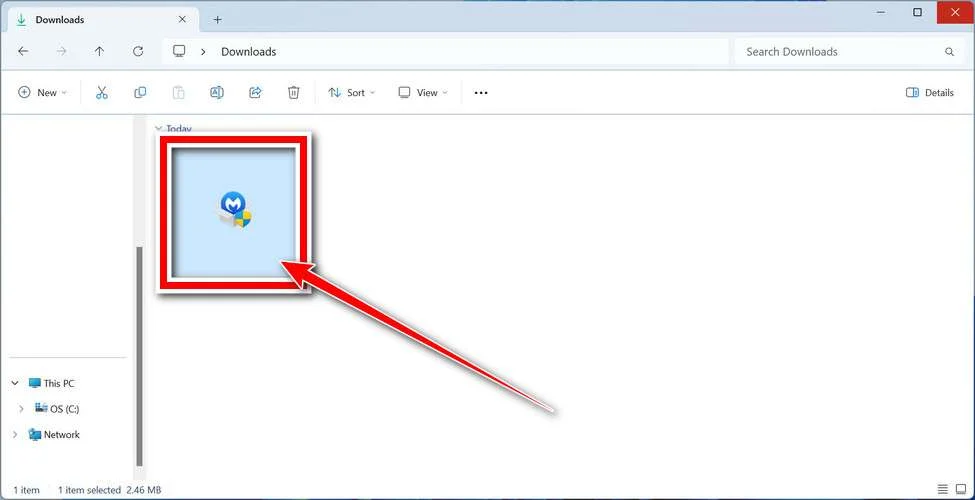
Follow the On-Screen Prompts to Install Malwarebytes
The setup wizard will walk you through a few quick screens:
-
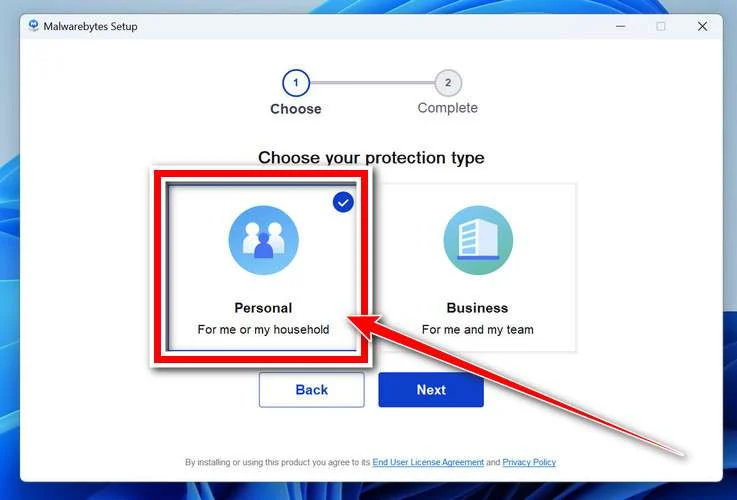
Choose where you’re installing the program — “Personal Computer” or “Work Computer” — then click Next.
-
Malwarebytes will now install on your device. This usually takes under a minute.

-
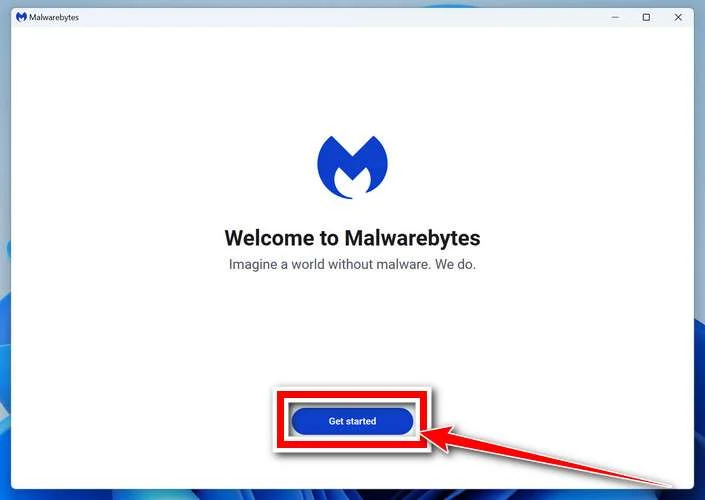
When installation is complete, the “Welcome to Malwarebytes” screen will open automatically.
-
On the final screen, click Open Malwarebytes to launch the program.

-
Enable “Scan for Rootkits”
Before scanning, turn on rootkit detection so Malwarebytes can find even the most hidden threats. Click the Settings gear icon on the left side of the screen.
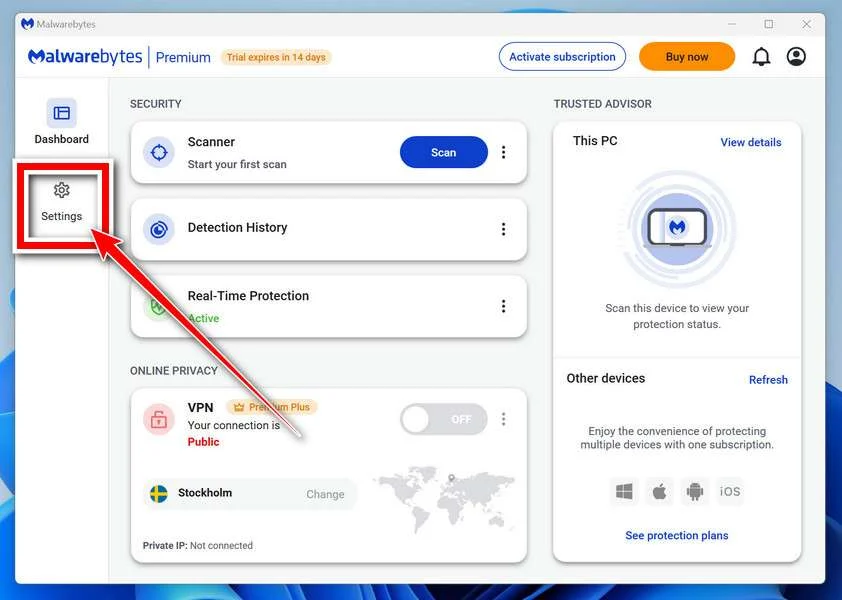
In the settings menu, find “Scan for rootkits” and click the toggle so it turns blue.

Done? Click “Dashboard” in the left pane to return to the main screen.
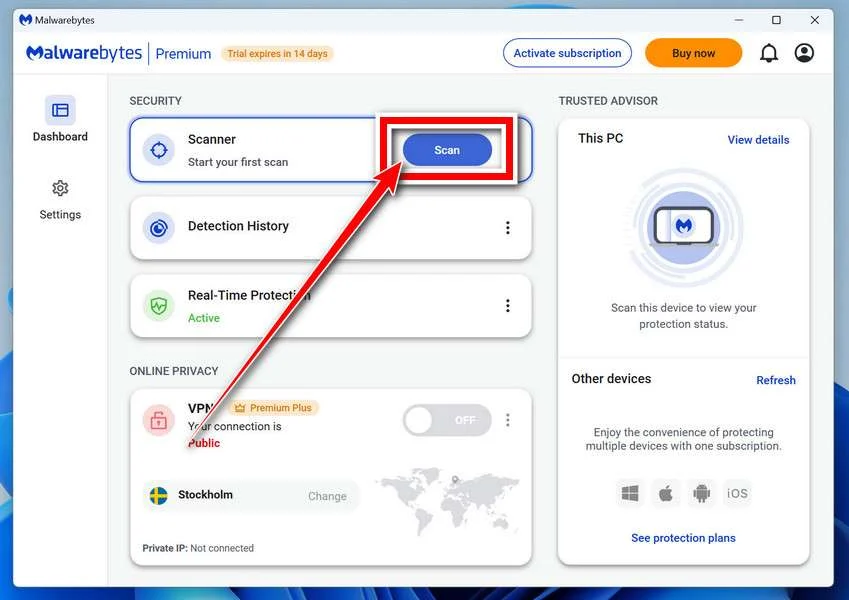
Start the Scan
Click the blue Scan button. Malwarebytes will automatically update its virus database and start checking your computer for malware.
-
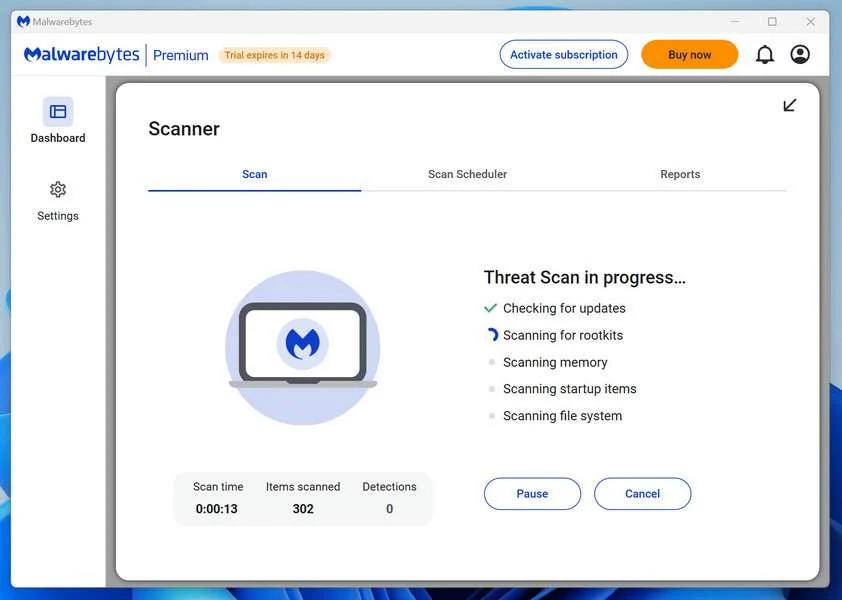
Wait for the Scan to Finish
The scan checks your entire system for browser hijackers and other malicious programs, so it can take 5 to 20 minutes depending on your computer. Feel free to do something else — just check back occasionally to see the progress.
-
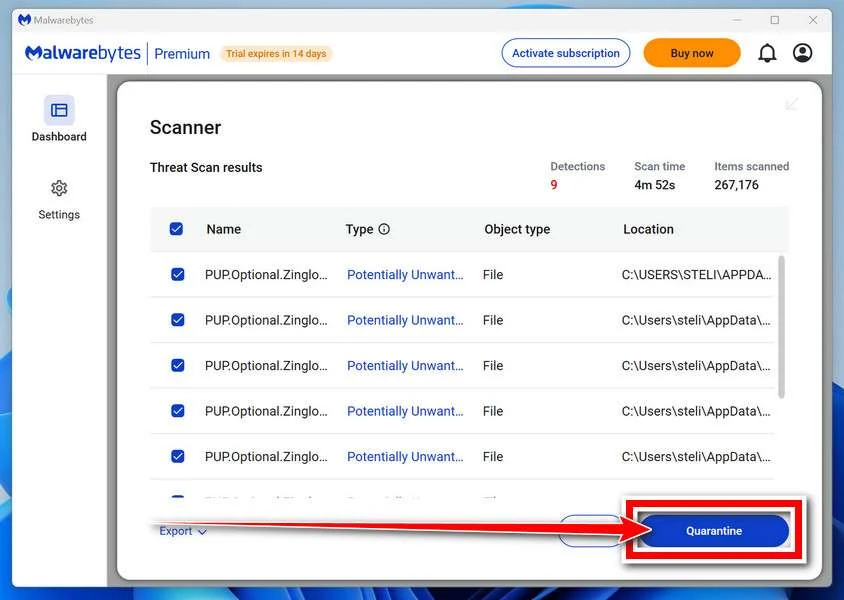
Quarantine the Detected Threats
When the scan is done, you’ll see a list of everything Malwarebytes found — malware, adware, and potentially unwanted programs. Click the “Quarantine” button to remove all of them at once.
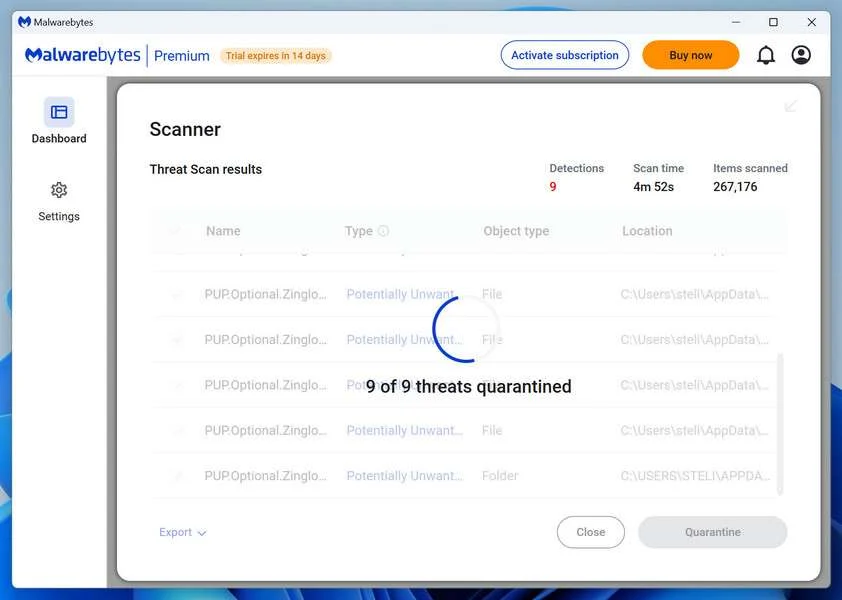
Malwarebytes will now remove the malicious files and registry entries and move them safely into quarantine.
-
Restart Your Computer
Some threats can only be fully removed after a reboot. If Malwarebytes asks you to restart, click Yes. Once you’re logged back in, Malwarebytes has finished removing the threats it found.
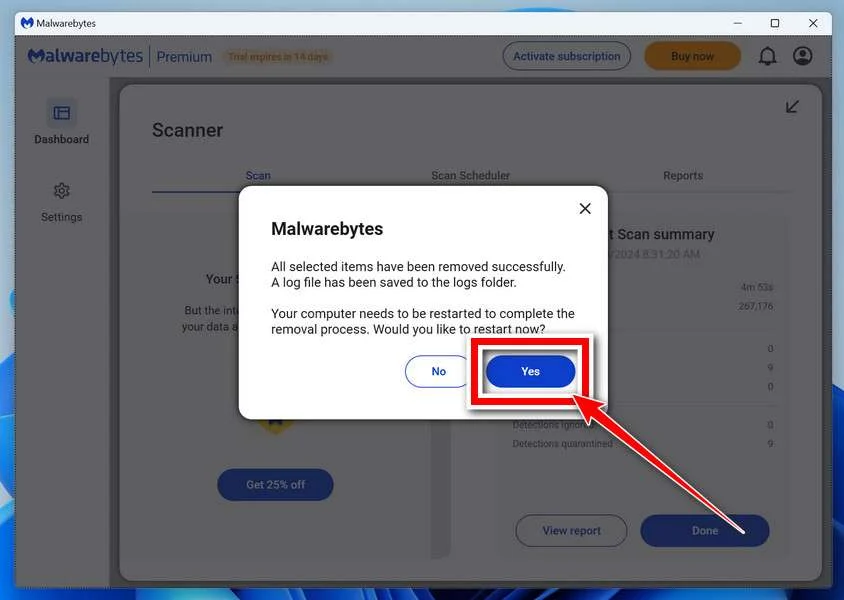
That’s it — your Windows PC is now clean of trojans, adware, and other malware, and should be back to running smoothly.
If you are still having problems with your computer after completing these instructions, then please follow one of the steps:
- Run a computer scan with ESET Online Scanner
- Ask for help in our Windows Malware Removal Help & Support forum.
Run a Malware Scan with Malwarebytes for Mac
Malwarebytes for Mac is a free on-demand scanner that removes the malware other security software tends to miss — adware, browser hijackers, and unwanted programs included. Cleaning an infected Mac with Malwarebytes has always been completely free, and it’s our go-to recommendation. Follow the steps below to scan and clean your Mac in just a few minutes.
-
Download Malwarebytes for Mac
Click the button below to download the latest version of Malwarebytes for Mac.
Download MalwarebytesOfficial installer for macOS. Your download starts right away.Want real-time protection? See Malwarebytes PremiumMalwarebytes Free for MacScans and removes malware at no cost -
Open the Malwarebytes setup file
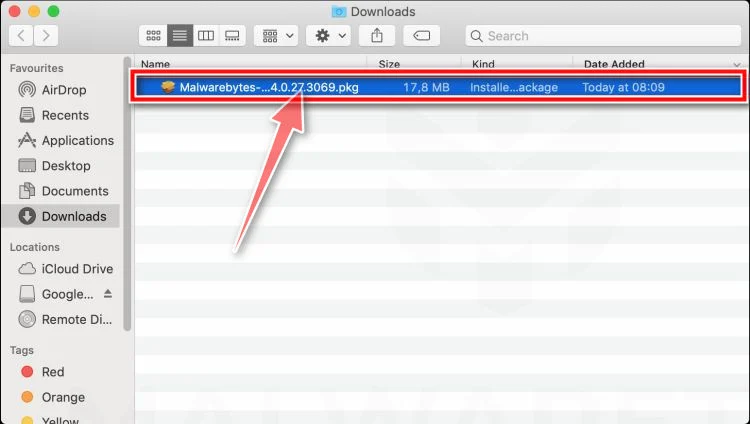
When the download finishes, open your Downloads folder and double-click the setup file to begin the installation.
-
Follow the On-Screen Prompts to Install Malwarebytes
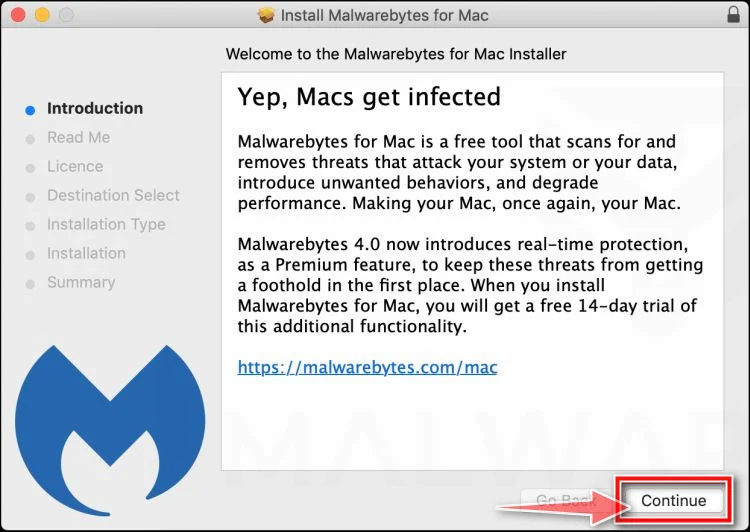
The Malwarebytes for Mac Installer will guide you through a few quick screens. Click “Continue” and keep following the prompts until the installation completes.
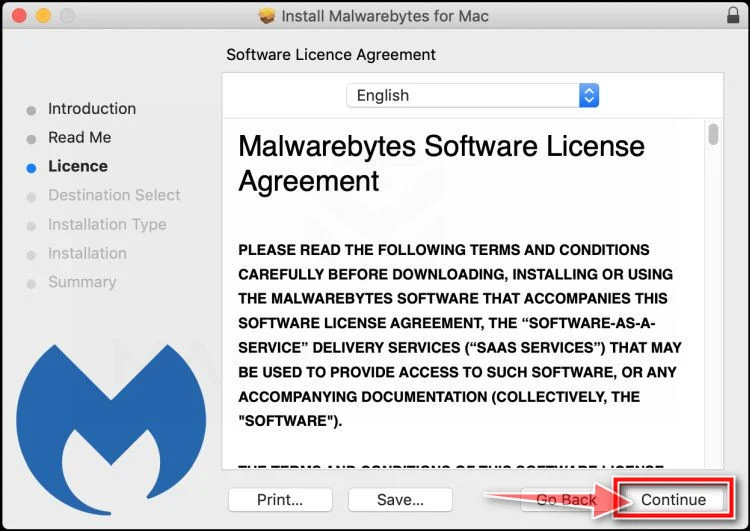
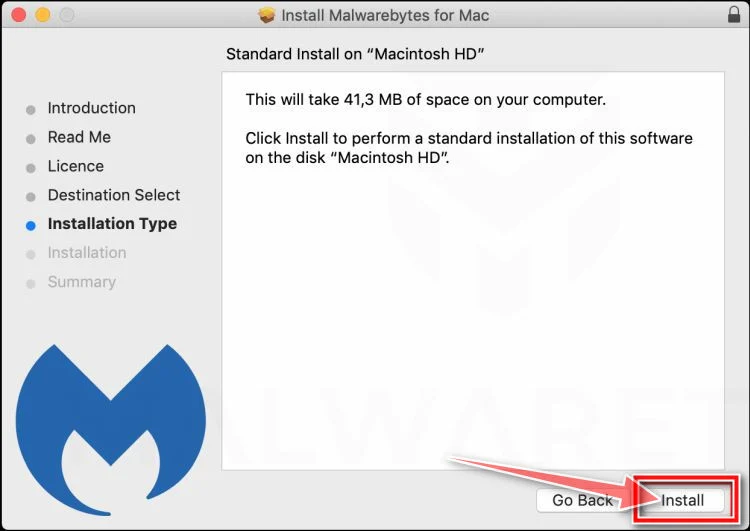
When the installation is complete, Malwarebytes opens to the Welcome to Malwarebytes screen. Click “Get started“.
-
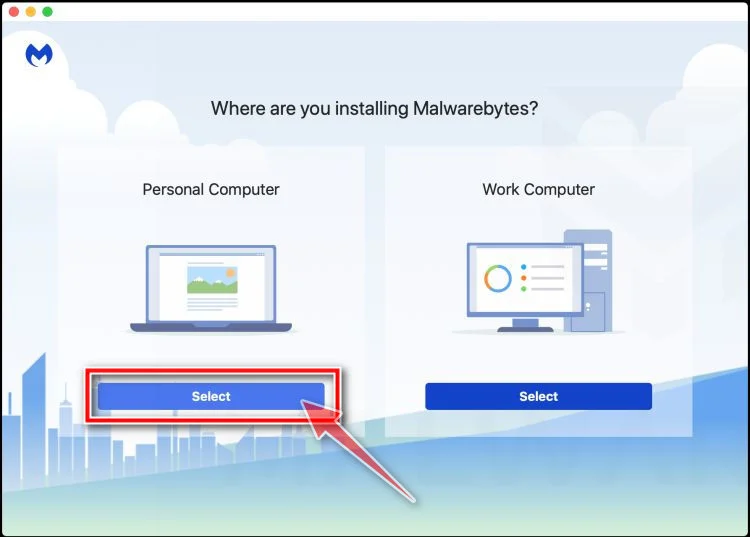
Select “Personal Computer” or “Work Computer”
Malwarebytes will ask what type of computer you’re installing it on. Click either Personal Computer or Work Computer, whichever applies.
-
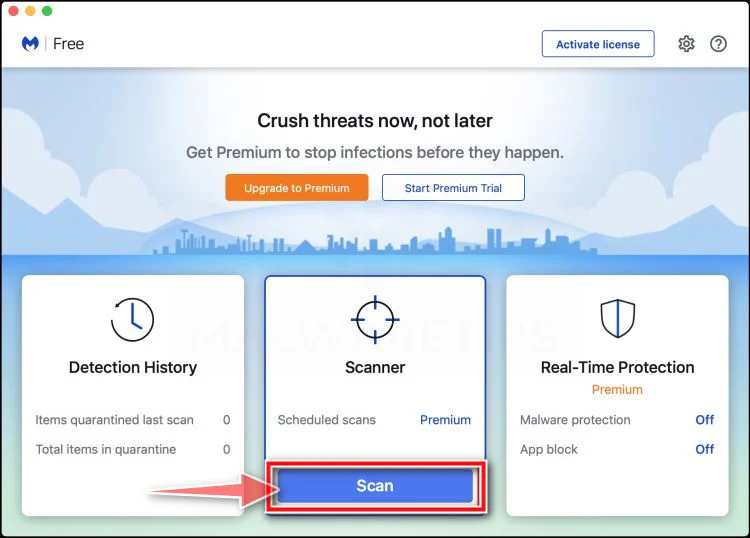
Start the Scan
Click the “Scan” button. Malwarebytes will automatically update its detection database and begin checking your Mac for malware.
-
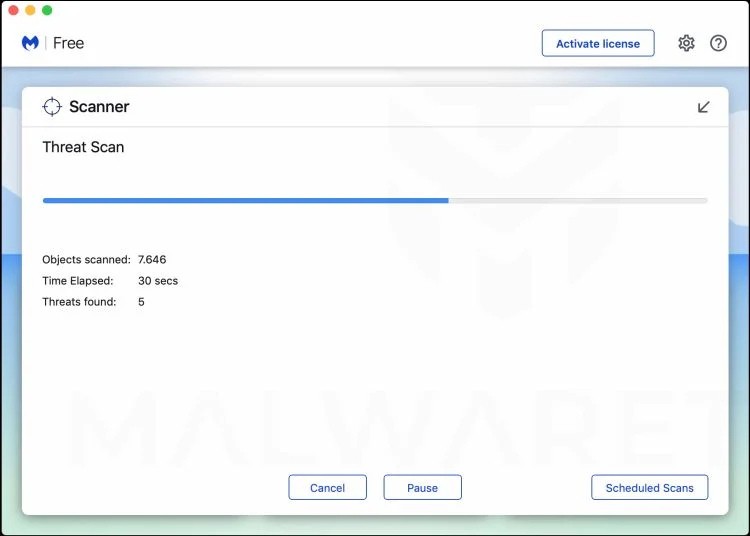
Wait for the Scan to Finish
Malwarebytes will scan your Mac for adware, browser hijackers, and other malicious programs. This can take a few minutes, so feel free to do something else — just check back occasionally to see the progress.
-
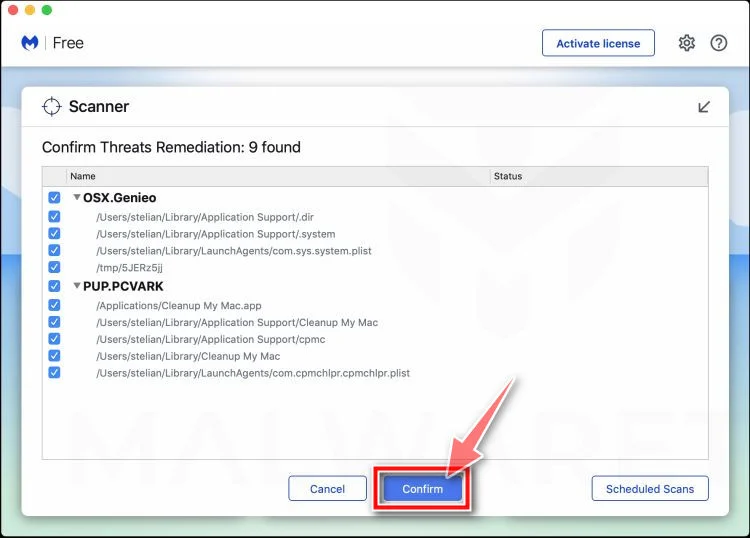
Quarantine the Detected Threats
When the scan is done, you’ll see a list of everything Malwarebytes found. Click the “Quarantine” button to remove all the threats at once.
-
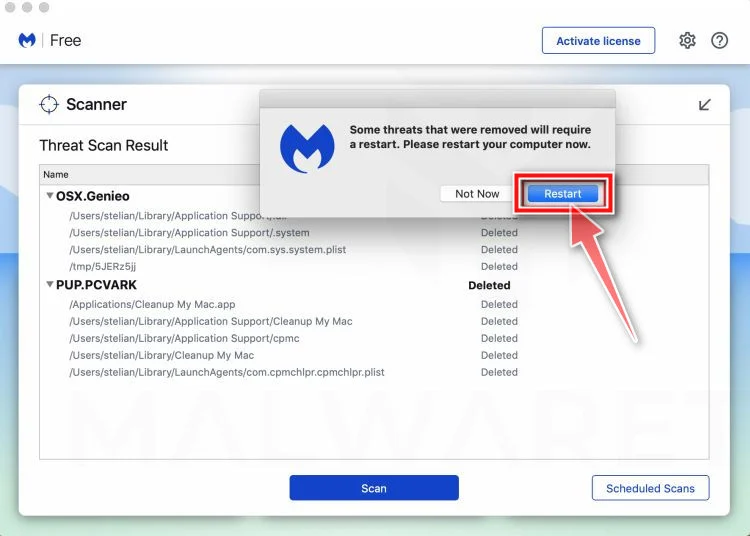
Restart Your Mac
Malwarebytes will now remove all the malicious files it found. Some threats can only be fully removed after a reboot — if Malwarebytes asks you to restart, allow it. Once you’re logged back in, your Mac is clean.
That’s it — your Mac is now free of adware, rogue browser extensions, and other potentially harmful software.
If you are still experiencing problems while trying to remove a malicious program from your computer, please ask for help in our Mac Malware Removal Help & Support forum.
Run a Malware Scan with Malwarebytes for Android
Malwarebytes for Android automatically detects and removes dangerous threats like malware and ransomware so you don’t have to worry about your most-used device being compromised. Aggressive detection of adware and potentially unwanted programs keeps your Android phone or tablet running smooth.
-
Download Malwarebytes for Android.
You can download Malwarebytes for Android by clicking the link below.
Get Malwarebytes for AndroidOpens Google Play in a new tab.Want real-time protection? See Malwarebytes Premium for AndroidMalwarebytes for AndroidScans your phone and removes malware at no cost -
Install Malwarebytes for Android on your phone.
In the Google Play Store, tap “Install” to install Malwarebytes for Android on your device.

When the installation process has finished, tap “Open” to begin using Malwarebytes for Android. You can also open Malwarebytes by tapping on its icon in your phone menu or home screen.

-
Follow the on-screen prompts to complete the setup process
When Malwarebytes will open, you will see the Malwarebytes Setup Wizard which will guide you through a series of permissions and other setup options.
This is the first of two screens that explain the difference between the Premium and Free versions. Swipe this screen to continue.
Tap on “Got it” to proceed to the next step.
Malwarebytes for Android will now ask for a set of permissions that are required to scan your device and protect it from malware. Tap on “Give permission” to continue.
Tap on “Allow” to permit Malwarebytes to access the files on your phone.
-
Update database and run a scan with Malwarebytes for Android
You will now be prompted to update the Malwarebytes database and run a full system scan.

Click on “Update database” to update the Malwarebytes for Android definitions to the latest version, then click on “Run full scan” to perform a system scan.

-
Wait for the Malwarebytes scan to complete.
Malwarebytes will now start scanning your phone for adware and other malicious apps. This process can take a few minutes, so we suggest you do something else and periodically check on the status of the scan to see when it is finished.

-
Click on “Remove Selected”.
When the scan has been completed, you will be presented with a screen showing the malware infections that Malwarebytes for Android has detected. To remove the malicious apps that Malwarebytes has found, tap on the “Remove Selected” button.

-
Restart your phone.
Malwarebytes for Android will now remove all the malicious apps that it has found. To complete the malware removal process, Malwarebytes may ask you to restart your device.
That’s it — your Android phone is now clean — no more malicious apps, adware, or browser redirects.
If you are still having problems with your phone after completing these instructions, then please follow one of the steps:
- Restore your phone to factory settings by going to Settings > General management > Reset > Factory data reset.
- Ask for help in our Mobile Malware Removal Help & Support forum.
Stay Protected: Block Ads and Malicious Sites
Now that your device is clean, keep it that way. Most infections start with a malicious ad or a fake download button — so blocking them at the source is your best defense.
We recommend AdGuard, which blocks malicious ads, phishing pages, and dangerous redirects before they can reach you.
👉 Download AdGuard and browse safely
What to Do if You Already Paid the Scammers
If you paid the ransom demand, immediately take these steps to limit damages:
- Contact your bank to halt or reverse the transactions if possible.
- Change online account passwords and enable two-factor authentication to secure accounts.
- File reports with the FTC and FBI about the extortion payment and threats.
- Alert your spouse or significant other that it was a scam in case the criminals make contact.
- Scan devices for malware and wipe devices clean if necessary.
- Monitor financial and credit accounts closely for signs of fraud.
- Consult a lawyer regarding additional actions to take after paying sextortion demands.
Even if you paid, continue to vigilantly monitor accounts and credit while refusing further communication. Don’t let shame or fear allow the situation to spiral. Taking swift action can help contain the problem.
Assessing the Scammer’s Claims
It is important to understand the “evidence” referenced in the sextortion email does not exist. The scammers are lying about hacking your device and possessing incriminating materials in order to extort money. Consider the following:
- They have no proof of infidelity or compromising information.
- They have not actually hacked into your devices or accounts.
- Threats to release materials are empty, meant to intimidate targets.
- If materials existed, releasing them publicly does not help them extort money.
- They avoid actions like hacking or blackmail that increase legal risk if caught.
- Their sole goal is extorting money quickly through empty threats and deception.
Seeing past the sensational claims is key to recognizing this scam for what it is – a bluff meant to prey on fears rather than expose real misconduct. Do not let them intimidate or deceive you.
Who is Behind the Sextortion Scam?
It is difficult to definitively pinpoint the culprits behind “We Hacked & Extracted Information From Your Device” sextortion scams, but possibilities include:
- Individual scammers skilled at phishing scams seeking quick money.
- Organized cybercriminal groups who mass-blast sextortion emails then launder the Bitcoins.
- Botnets hijacked to send phishing emails en masse without raising alarms.
- Disreputable hacking groups willing to use unethical means to earn income.
- Foreign state-sponsored groups that engage in cyber activities against other nations.
The ability to hide behind impersonal emails and Bitcoin payments makes identifying the specific criminals difficult. Law enforcement works hard to trace and prosecute sextortion groups, but new scammers constantly emerge. Being able to recognize and avoid their deceptive tactics is the best way to overcome this scam.
Why Do Scammers Use Sextortion Tactics?
There are several factors that make fake sextortion threats an appealing approach for scammers:
- Strong motivator: Fear of relationship damage or public embarrassment compels people to pay.
- Increased targets: Potential victims are more likely to have compromising materials and online presence nowadays.
- Anonymous payments: Cryptocurrency like Bitcoin enables anonymous, hard-to-trace ransom payments.
- Broad targeting: Emails allow effortlessly targeting millions of recipients across the globe.
- Low risk: Sextortion only requires simple phishing schemes rather than actual hacking skills.
- Avoidance of consequences: Scared victims are less likely to expose the scammers or question the validity of claims.
Understanding why scammers find sextortion lucrative can help equip us to recognize and respond appropriately to these social engineering tactics.
How to Report the Sextortion Emails
If you receive a “We Hacked & Extracted Information From Your Device” sextortion email, make sure to report it:
- Forward the email to the Anti-Phishing Working Group at phish@apwg.org to aid cybercrime prevention efforts.
- File a complaint with ic3.gov, the FBI’s Internet Crime Complaint Center. Provide details on ransom requests, sender addresses, or Bitcoin wallets.
- Report it to the FTC using the ReportFraud.ftc.gov website. The more reports received, the more resources they can devote to combatting sextortion scams.
- Contact the email provider used by the scammers to inform them of the scam account. Supply full email headers and transaction details.
- Look up cybercrime authorities in your region to report local victims and support investigative efforts.
Reporting scams is crucial to help law enforcement agencies track down syndicates engaging in extortion and phishing schemes. The more action taken to expose sextortion groups, the less victims they can target.
Protecting Yourself from Sextortion Scams
Here are some key tips to safeguard yourself online and avoid becoming a victim of fake sextortion threats:
- Use strong unique passwords for all accounts and two-factor authentication where available. This prevents scammers accessing your accounts.
- Be wary of any emails demanding payment and making bold claims. Verify the situation through other channels before taking action.
- Avoid opening attachments or clicking links within suspicious emails that may contain malware.
- Use comprehensive security software on all devices to detect viruses, malware, and unauthorized access attempts.
- Only put legitimate contact info on social media profiles and be cautious sharing personal details publicly online.
- If you have separated from a partner, inform them about potential sextortion scams using your name or images.
- Never pay ransoms which further fund criminal operations and could lead to repeat extortion attempts.
Exercising caution online and verifying threats directly with implicated parties rather than scammers can help you avoid being victimized by fake sextortion schemes.
Frequently Asked Questions
Here are some common questions and answers about the “We Hacked & Extracted Information From Your Device” sextortion scam:
Do the scammers really have evidence against me?
No, this is a bluff intended to trick you into paying. Any claims they make are false and meant to scare rather than expose real cheating evidence.
Should I pay them if I’m worried the materials might be real?
No, you should never pay a sextortion ransom even if worried the claims may be true. This will likely just lead to more monetary demands in the future.
Can they actually hack into my phone, computer, or accounts?
While not impossible, it would require significant technical skills and effort on their part. In most cases, the hacking claims are fabricated to frighten recipients.
What should I do if they send compromising materials to my contacts?
Contact the implicated parties, explain it’s a scam, ask them to delete the materials, and cut off further communication with the criminals.
Should I respond and try to negotiate with the scammers?
No, any response will be seen as an indication you are fearful and willing to pay. Completely ignoring the email is the best course of action.
Can law enforcement trace and prosecute sextortion scams?
While challenging, investigators do have success infiltrating and disrupting major sextortion groups, especially with sufficient public reporting of the scams.
With awareness and vigilance, we can take a stand against deceitful sextortion tactics seeking to manipulate targets through fear. Recognizing their threats as empty is key to overcoming this scam.

Join the discussion
0 commentsShare your experience or ask a question about this article.
Discussion
Start the conversation
Have a question or something useful to share? Add the first comment.