

When you open the Task Manager on your Windows computer, you may notice a process called “Windows Event Log” running in the background. This process, also known as “svchost.exe,” is an essential component of the Windows operating system. Understanding why it is running and its significance can help you troubleshoot issues, optimize system performance, and ensure the security of your computer.
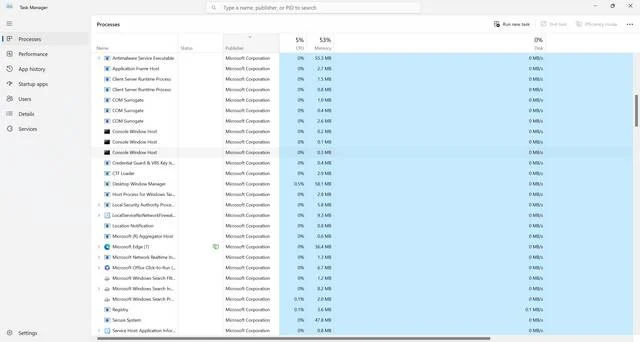
What is the Windows Event Log Process?
The Windows Event Log process is responsible for managing and recording events that occur on your computer. These events can include system errors, application crashes, security breaches, and other important notifications. The process collects data from various sources, such as device drivers, software applications, and the operating system itself, and stores them in a centralized log file.
The Event Log process is crucial for system administrators and IT professionals as it provides a detailed record of system activities. By analyzing the event logs, they can identify and resolve issues, monitor system performance, and track security incidents.
Why is the Windows Event Log Process Running?
The Windows Event Log process runs continuously in the background to ensure that all system events are captured and recorded. It is a core component of the Windows operating system and is essential for maintaining system stability, diagnosing problems, and ensuring the security of your computer.
Here are some specific reasons why the Windows Event Log process may be running:
- System Monitoring: The Event Log process constantly monitors system activities and records events such as software installations, driver updates, and system shutdowns. This information is invaluable for troubleshooting issues and identifying patterns that may affect system performance.
- Error Reporting: When an application crashes or encounters an error, the Event Log process captures the relevant information and logs it for further analysis. This data can help developers identify and fix software bugs, improving the overall stability of the system.
- Security Auditing: The Event Log process plays a crucial role in security auditing. It records security-related events such as failed login attempts, changes to user accounts, and suspicious activities. By analyzing these logs, system administrators can detect and respond to potential security threats.
- Compliance Requirements: Many industries and organizations have compliance requirements that mandate the collection and retention of event logs. The Windows Event Log process ensures that these logs are generated and stored, enabling organizations to meet regulatory obligations.
How to Access and Analyze Event Logs
Accessing and analyzing event logs can provide valuable insights into the health and performance of your Windows computer. Here’s how you can access and analyze event logs:
- Open the Event Viewer: Press the Windows key + R, type “eventvwr.msc” in the Run dialog box, and press Enter. This will open the Event Viewer.
- Navigate to Event Logs: In the Event Viewer, you will find different categories of event logs, such as Application, Security, Setup, and System. Click on the desired log to view its contents.
- Filter and Search: Use the filtering and search options in the Event Viewer to narrow down the logs based on specific criteria, such as event ID, source, or date and time.
- Analyze Event Details: Double-click on an event to view its details, including the event description, source, and any associated error codes. This information can help you troubleshoot issues or investigate security incidents.
Ensuring the Security of the Windows Event Log Process
As the Windows Event Log process is critical for system monitoring and security, it is essential to ensure its integrity and protect it from potential threats. Here are some best practices to follow:
- Keep your system up to date: Regularly install Windows updates to ensure that your operating system has the latest security patches and bug fixes.
- Use reputable security software: Install and regularly update a reliable antivirus and anti-malware solution, such as Malwarebytes Free, to detect and remove any malicious software that may compromise the Event Log process.
- Monitor event logs for suspicious activities: Regularly review the event logs for any unusual or suspicious events that may indicate a security breach. Set up alerts or automated scripts to notify you of critical events in real-time.
- Implement access controls: Restrict access to the Event Log files and folders to authorized personnel only. Regularly review and update user permissions to prevent unauthorized modifications or deletions.
Summary
The Windows Event Log process, also known as “svchost.exe,” is a vital component of the Windows operating system. It continuously captures and records system events, providing valuable information for troubleshooting, performance optimization, and security monitoring.
Understanding why the Windows Event Log process is running and how to access and analyze event logs can help you maintain a stable and secure computer environment. By following best practices and ensuring the integrity of the Event Log process, you can enhance system performance, detect and resolve issues, and protect your computer from potential threats.

Join the discussion
0 commentsShare your experience or ask a question about this article.
Discussion
Start the conversation
Have a question or something useful to share? Add the first comment.