

Windows Live Essentials is a suite of free software applications developed by Microsoft that provides various tools and services to enhance the Windows operating system experience. It includes a range of applications such as Windows Live Mail, Windows Live Messenger, Windows Live Photo Gallery, Windows Live Movie Maker, and more. These applications were designed to offer users additional functionality and convenience in managing their emails, photos, videos, and other digital content.
The Features and Benefits of Windows Live Essentials
Windows Live Essentials offers a range of features and benefits that can enhance your overall Windows experience. Let’s take a closer look at some of the key applications included in the suite:
1. Windows Live Mail
Windows Live Mail is an email client that allows you to manage multiple email accounts in one place. It offers features such as a customizable interface, advanced search capabilities, and the ability to sync your email accounts across multiple devices. With Windows Live Mail, you can easily organize and prioritize your emails, making it a valuable tool for both personal and professional use.
2. Windows Live Messenger
Windows Live Messenger, also known as MSN Messenger, was a popular instant messaging application that allowed users to chat with friends and family in real-time. It offered features such as text messaging, voice and video calls, file sharing, and more. While Windows Live Messenger has been discontinued and replaced by Skype, it was a widely used communication tool during its time.
3. Windows Live Photo Gallery
Windows Live Photo Gallery is a powerful photo management and editing tool that allows you to organize, edit, and share your digital photos. It offers features such as facial recognition, photo tagging, basic editing tools, and the ability to create slideshows and photo albums. With Windows Live Photo Gallery, you can easily enhance and showcase your photos, making it a valuable tool for photography enthusiasts.
4. Windows Live Movie Maker
Windows Live Movie Maker is a user-friendly video editing software that allows you to create and edit videos with ease. It offers features such as video trimming, adding transitions and effects, audio editing, and the ability to share your videos directly to social media platforms. With Windows Live Movie Maker, you can turn your raw footage into polished videos, making it a valuable tool for content creators and hobbyists.
Should You Remove Windows Live Essentials?
While Windows Live Essentials offers a range of useful applications, there are a few factors to consider when deciding whether to remove it from your system:
1. Discontinued Support
Microsoft has officially discontinued support for Windows Live Essentials, and as a result, the applications included in the suite may no longer receive updates or security patches. This lack of support could potentially leave your system vulnerable to security threats and compatibility issues. If you prioritize security and want to ensure that your software is up to date, it may be advisable to remove Windows Live Essentials.
2. Alternative Applications
Many of the features offered by Windows Live Essentials can be found in alternative applications that are actively supported and regularly updated. For example, Windows Live Mail can be replaced by Microsoft Outlook or other third-party email clients, while Windows Live Photo Gallery can be replaced by Adobe Photoshop or Google Photos. If you prefer using more modern and actively supported software, removing Windows Live Essentials may be a good option.
3. System Performance
Windows Live Essentials is a suite of applications that can consume system resources, especially if you have limited hardware specifications. If you notice that your system is running slower or experiencing performance issues, removing Windows Live Essentials may help improve overall system performance.
How to Remove Windows Live Essentials
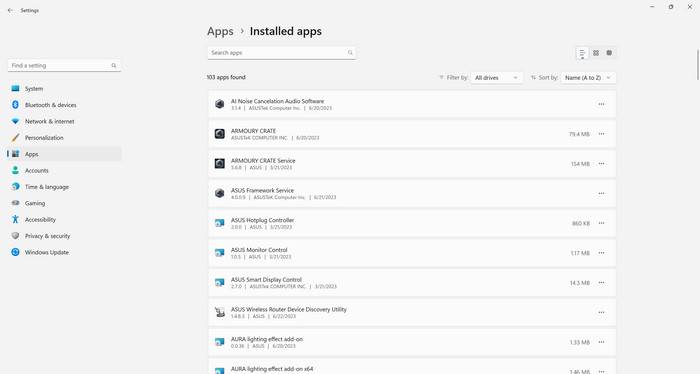
If you have decided to remove Windows Live Essentials from your system, here are the steps to follow:
- Open the Control Panel by searching for it in the Windows Start menu.
- Click on “Programs” or “Programs and Features” depending on your version of Windows.
- Locate “Windows Live Essentials” in the list of installed programs.
- Click on “Windows Live Essentials” and select “Uninstall” or “Remove”.
- Follow the on-screen prompts to complete the uninstallation process.
After removing Windows Live Essentials, it is recommended to scan your system for any potential viruses or malware. You can use Malwarebytes Free, a trusted and effective antivirus software, to ensure your system is clean and secure.
Conclusion
Windows Live Essentials by Microsoft offers a range of useful applications that can enhance your Windows experience. However, due to discontinued support, the availability of alternative applications, and potential system performance issues, removing Windows Live Essentials may be a viable option for some users. It is important to weigh the benefits and drawbacks before making a decision and ensure that you have alternative solutions in place for the functionalities provided by Windows Live Essentials.
Remember to follow the recommended steps for uninstallation and consider scanning your system for viruses or malware after removing Windows Live Essentials. By making an informed decision and taking the necessary precautions, you can optimize your Windows system and ensure a secure computing experience.

Join the discussion
0 commentsShare your experience or ask a question about this article.
Discussion
Start the conversation
Have a question or something useful to share? Add the first comment.