

When you open the Task Manager on your Windows computer, you may notice a process called “Windows Modules Installer” running in the background. This process, also known as “TiWorker.exe,” is an essential component of the Windows operating system. In this article, we will explore why the Windows Modules Installer process is running in Task Manager and its significance.
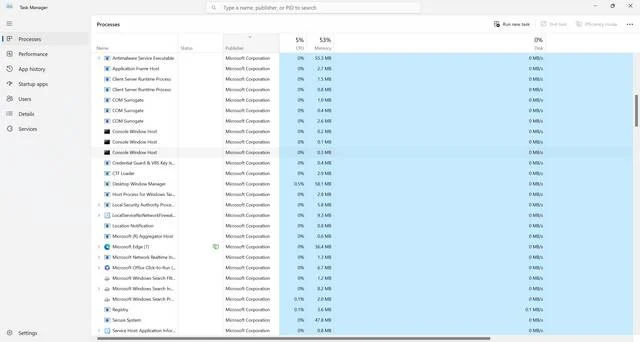
What is the Windows Modules Installer Process?
The Windows Modules Installer process is responsible for installing, modifying, and removing Windows updates and optional components. It is a crucial part of the Windows Update service, ensuring that your operating system remains up to date with the latest security patches, bug fixes, and feature enhancements.
When you install a Windows update or make changes to the optional components, the Windows Modules Installer process is triggered to perform the necessary operations. It checks for updates, downloads them from Microsoft servers, and installs them on your computer. This process helps keep your system secure and stable.
Why is the Windows Modules Installer Process Running?
The Windows Modules Installer process runs in the background to handle various tasks related to Windows updates and optional components. Here are some reasons why it may be running on your computer:
- Windows Updates: The primary function of the Windows Modules Installer process is to install Windows updates. It regularly checks for new updates and installs them to ensure your system is protected against security vulnerabilities and performance issues.
- Optional Components: In addition to updates, the Windows Modules Installer process also handles the installation and removal of optional components. These components include language packs, additional features, and system tools that you can choose to install or uninstall based on your needs.
- Repair Operations: Sometimes, the Windows Modules Installer process may run to repair corrupted or damaged system files. It scans your system for any inconsistencies and attempts to fix them to maintain the stability and functionality of your operating system.
Is the Windows Modules Installer Process Safe?
The Windows Modules Installer process is a legitimate system process and is safe to run on your computer. However, it is essential to ensure that the process running on your system is not a malware or virus masquerading as the legitimate process.
If you suspect any malicious activity or notice unusual behavior related to the Windows Modules Installer process, it is recommended to scan your computer for viruses and malware. One reliable tool for this purpose is Malwarebytes Free. It can detect and remove various types of malware, providing an extra layer of security to your system.
Managing the Windows Modules Installer Process
While the Windows Modules Installer process is essential for maintaining the health of your Windows operating system, it can sometimes consume a significant amount of system resources, leading to high CPU or disk usage. If you experience performance issues due to the Windows Modules Installer process, here are some steps you can take:
- Wait for Completion: The Windows Modules Installer process may run for an extended period, especially when installing large updates or optional components. It is best to allow the process to complete its tasks before taking any action.
- Restart the Service: If the Windows Modules Installer process seems to be stuck or unresponsive, you can try restarting the Windows Update service. Open the Services application, locate the “Windows Update” service, right-click on it, and select “Restart.”
- Perform a Clean Boot: In some cases, conflicting software or services may interfere with the Windows Modules Installer process. Performing a clean boot can help identify and resolve such conflicts. Instructions for performing a clean boot can be found on the Microsoft support website.
Conclusion
The Windows Modules Installer process, also known as TiWorker.exe, is an integral part of the Windows operating system. It handles the installation, modification, and removal of Windows updates and optional components. By running in the background, it ensures that your system remains up to date and secure.
While the Windows Modules Installer process is generally safe, it is crucial to stay vigilant and ensure that the process running on your system is legitimate. Regularly scanning your computer for viruses and malware using tools like Malwarebytes Free can help maintain the security of your system.
If you encounter performance issues related to the Windows Modules Installer process, following the suggested steps can help resolve them and improve the overall functionality of your computer. Remember to be patient when the process is running, as it may take some time to complete its tasks.

Join the discussion
0 commentsShare your experience or ask a question about this article.
Discussion
Start the conversation
Have a question or something useful to share? Add the first comment.