

When you open the Task Manager on your Windows computer, you may notice a process called “Windows Push Notifications System Service” running in the background. This may raise some questions and concerns about its purpose and whether it is necessary for your system’s functionality. In this article, we will explore the Windows Push Notifications System Service process, its role, and why it is running in Task Manager.
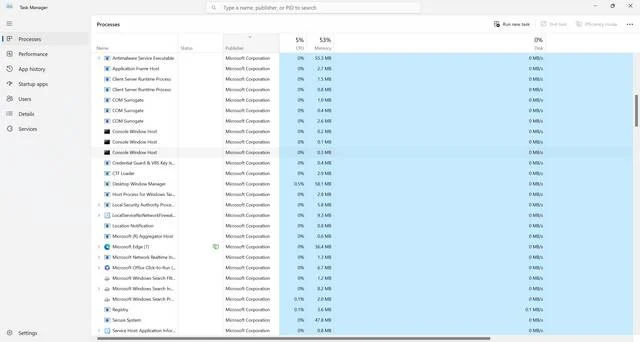
Understanding Windows Push Notifications System Service
The Windows Push Notifications System Service is a background process that enables applications and services to send push notifications to your Windows device. These notifications can include updates, alerts, reminders, and other important information from various apps and services installed on your computer.
Push notifications have become an integral part of modern computing, allowing users to stay informed and receive timely updates without actively checking each individual app. They are commonly used by messaging apps, email clients, social media platforms, and other software that rely on real-time communication and information delivery.
Why Is Windows Push Notifications System Service Running?
The Windows Push Notifications System Service process runs in the background to ensure that you receive push notifications from your installed applications and services. It acts as a bridge between these apps and the Windows operating system, facilitating the delivery of notifications to your device.
By running the Windows Push Notifications System Service, your computer can stay connected to the necessary servers and services that handle the delivery of push notifications. This allows you to receive important updates and information in a timely manner, even when you are not actively using the corresponding applications.
It is worth noting that the Windows Push Notifications System Service process is a legitimate system component and is not inherently harmful or malicious. However, like any other process running on your computer, it is essential to ensure that it is not being exploited by malware or other malicious software.
Verifying the Legitimacy of Windows Push Notifications System Service
If you are concerned about the legitimacy of the Windows Push Notifications System Service process running on your computer, you can take a few steps to verify its authenticity:
- Check the file location: Right-click on the process in Task Manager and select “Open file location.” This will open the folder where the process executable is located. The legitimate Windows Push Notifications System Service file should be located in the “C:WindowsSystem32” directory.
- Scan for malware: It is always a good practice to regularly scan your computer for malware and other malicious software. You can use reputable antivirus and anti-malware software like Malwarebytes Free to perform a thorough scan and ensure that your system is clean.
- Monitor system behavior: If you notice any unusual behavior or performance issues on your computer, it is recommended to investigate further. Look for any suspicious network connections or excessive resource usage by the Windows Push Notifications System Service process.
By following these steps, you can ensure that the Windows Push Notifications System Service process running on your computer is legitimate and not a potential security threat.
The Importance of Windows Push Notifications System Service
The Windows Push Notifications System Service plays a crucial role in keeping you informed and up-to-date with the latest information from your installed applications and services. Here are some key reasons why it is important:
- Real-time updates: Push notifications allow you to receive real-time updates and information without actively checking each individual app. This can be particularly useful for time-sensitive alerts, messages, and reminders.
- Improved productivity: By receiving push notifications, you can stay informed and respond promptly to important events and tasks, enhancing your overall productivity.
- App engagement: Push notifications help app developers engage with their users by delivering relevant and personalized content. This can lead to increased user engagement and satisfaction.
Conclusion
The Windows Push Notifications System Service process running in Task Manager is a vital component of the Windows operating system. It enables the delivery of push notifications from your installed applications and services, keeping you informed and up-to-date with the latest information.
While it is important to verify the legitimacy of the process and ensure that it is not being exploited by malware, the Windows Push Notifications System Service is generally safe and necessary for the proper functioning of your computer.
By understanding the role and importance of the Windows Push Notifications System Service, you can make informed decisions about its presence in Task Manager and leverage the benefits of push notifications for a more efficient and connected computing experience.

Join the discussion
0 commentsShare your experience or ask a question about this article.
Discussion
Start the conversation
Have a question or something useful to share? Add the first comment.