

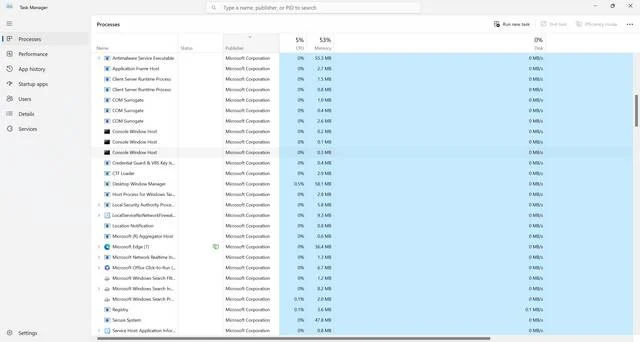
When you open the Task Manager on your Windows computer, you may come across a process called WmiApSrv. This process might raise some questions in your mind, such as why it is running and whether it is safe or not. In this article, we will explore the WmiApSrv process, its purpose, and its significance in the Windows operating system.
What is WmiApSrv?
WmiApSrv stands for Windows Management Instrumentation (WMI) Performance Adapter Service. It is a system service that runs in the background on Windows operating systems, starting from Windows XP and continuing through the latest versions like Windows 10 and Windows 11.
WMI is a powerful management infrastructure provided by Microsoft for Windows-based systems. It allows administrators and developers to access and manipulate various system information, settings, and resources programmatically. WMI provides a standardized way to manage and monitor system components, such as hardware, software, and network resources.
The WmiApSrv process is responsible for collecting performance data from various sources on your computer and making it available through WMI. It acts as an intermediary between the performance counters and the WMI infrastructure. Performance counters are used to measure and monitor system performance, such as CPU usage, memory usage, disk activity, and network traffic.
Why is WmiApSrv Running?
Now that we know what WmiApSrv is, let’s understand why it is running in the Task Manager. The WmiApSrv process runs automatically as a system service when your computer starts up. It is an essential component of the Windows operating system and is required for various system management and monitoring tasks.
Here are some reasons why WmiApSrv might be running:
- System Monitoring: WmiApSrv collects performance data from different sources on your computer, allowing you to monitor system performance and troubleshoot issues. It provides valuable insights into resource utilization, which can help identify bottlenecks and optimize system performance.
- Third-Party Applications: Many third-party applications and services rely on WMI to gather system information and perform management tasks. These applications use WMI queries to retrieve data and interact with system components. WmiApSrv facilitates these interactions by providing a standardized interface.
- Remote Management: WMI allows remote management of Windows-based systems. It enables administrators to monitor and control multiple computers from a central location. WmiApSrv plays a crucial role in facilitating remote management by providing access to performance data and system information.
Is WmiApSrv Safe?
WmiApSrv is a legitimate system process and is considered safe. It is a part of the Windows operating system and is digitally signed by Microsoft. However, like any other system process, it is possible for malware or malicious software to disguise itself as WmiApSrv.
If you suspect that the WmiApSrv process on your computer is not genuine or is causing performance issues, it is recommended to scan your system for viruses and malware. One reliable tool for this purpose is Malwarebytes Free. Malwarebytes is a trusted antivirus and anti-malware software that can help detect and remove any potential threats.
Managing WmiApSrv Process
If you want to manage the WmiApSrv process on your computer, you can do so through the Windows Services console. Here’s how:
- Open the Run dialog by pressing the Windows key + R.
- Type “services.msc” and press Enter.
- In the Services console, locate the “Windows Management Instrumentation” service.
- Right-click on the service and select “Properties”.
- In the Properties window, you can start, stop, or restart the service. You can also change the startup type to Automatic, Manual, or Disabled, depending on your requirements.
It is important to note that modifying or disabling the WmiApSrv service can impact the functionality of other system components and applications that rely on WMI. Therefore, it is recommended to make any changes with caution and only if you have a specific reason to do so.
Conclusion
The WmiApSrv process, also known as the Windows Management Instrumentation Performance Adapter Service, is an integral part of the Windows operating system. It collects performance data and makes it available through WMI, allowing system administrators and developers to monitor and manage various system resources.
While WmiApSrv is a legitimate system process, it is essential to remain vigilant and ensure that it is not being used by malware or malicious software. Regularly scanning your system with reliable antivirus and anti-malware software, such as Malwarebytes Free, can help detect and remove any potential threats.
Remember, if you encounter any suspicious processes in the Task Manager, it is always better to investigate and take necessary actions to protect your system and data.

Join the discussion
0 commentsShare your experience or ask a question about this article.
Discussion
Start the conversation
Have a question or something useful to share? Add the first comment.