

Scams have become increasingly prevalent in the digital age, with cybercriminals constantly devising new methods to deceive unsuspecting individuals. One such scam that has gained significant attention is the ‘Your Invoice From Apple’ phishing scam. This article aims to provide a comprehensive overview of this scam, including what it is, how it works, what to do if you have fallen victim, and other relevant data.
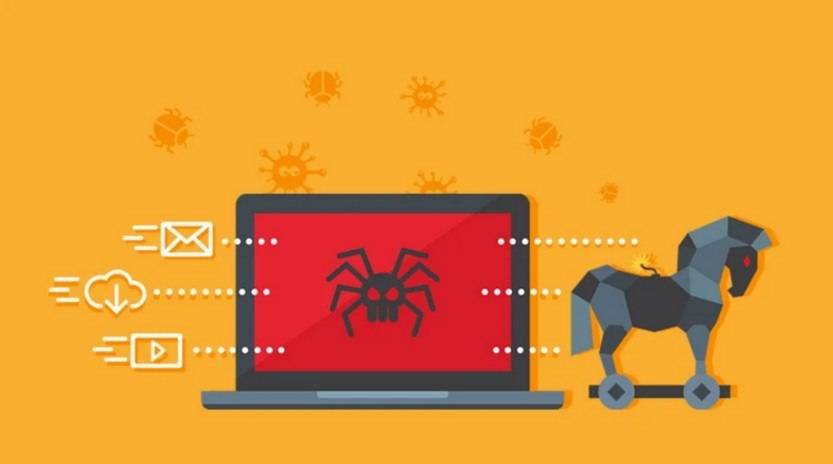
What is the ‘Your Invoice From Apple’ Phishing Scam?
The ‘Your Invoice From Apple’ phishing scam is an attempt by cybercriminals to trick individuals into revealing their personal and financial information by posing as Apple. The scam typically involves sending fraudulent emails that appear to be legitimate invoices from Apple for purchases that the recipient did not make. These emails often contain convincing logos, design elements, and formatting, making them appear genuine.
How Does the Scam Work?
The scam begins with the cybercriminals sending out mass emails to a large number of recipients. These emails are carefully crafted to mimic the style and language used by Apple in their official communications. The subject line often includes phrases such as “Your Invoice From Apple” or “Payment Confirmation,” designed to grab the recipient’s attention.
When the recipient opens the email, they are presented with an invoice that appears to be from Apple, complete with details of the supposed purchase. The email may also include a link or attachment that the recipient is instructed to click on to view the invoice in more detail or to dispute the purchase.
However, clicking on the link or opening the attachment can have serious consequences. In some cases, it may lead to the installation of malware or ransomware on the recipient’s device, allowing the cybercriminals to gain access to sensitive information or hold the device hostage until a ransom is paid. In other cases, the link may direct the recipient to a fake website that closely resembles the official Apple website, where they are prompted to enter their Apple ID and password.
What to Do If You Have Fallen Victim
If you have fallen victim to the ‘Your Invoice From Apple’ phishing scam, it is important to take immediate action to protect yourself and minimize the potential damage.
- Disconnect from the internet: As soon as you realize you have been scammed, disconnect your device from the internet to prevent further unauthorized access.
- Scan for viruses and malware: Run a scan with a reputable antivirus software, such as Malwarebytes Free, to detect and remove any malicious software that may have been installed on your device.
- Change your passwords: Immediately change the passwords for all your online accounts, especially your Apple ID, to prevent unauthorized access.
- Contact your bank or credit card company: If you have provided your financial information to the scammers, contact your bank or credit card company to report the incident and take appropriate measures to protect your accounts.
- Report the scam: Report the phishing scam to the appropriate authorities, such as your local law enforcement agency and the Federal Trade Commission (FTC).
Other Relevant Data
The ‘Your Invoice From Apple’ phishing scam is just one example of the many scams that individuals may encounter online. It is important to stay vigilant and be aware of the common signs of phishing scams, such as emails requesting personal or financial information, spelling and grammatical errors, and suspicious links or attachments.
Furthermore, it is crucial to keep your devices and software up to date with the latest security patches and to regularly back up your important files to minimize the impact of potential scams or malware attacks.
Summary
The ‘Your Invoice From Apple’ phishing scam is a deceptive tactic used by cybercriminals to trick individuals into revealing their personal and financial information. By posing as Apple and sending fraudulent invoices, these scammers aim to exploit unsuspecting victims. To protect yourself from falling victim to this scam, it is important to stay vigilant, be cautious of suspicious emails, and take immediate action if you have been scammed. Remember to disconnect from the internet, scan for viruses and malware, change your passwords, contact your financial institutions, and report the scam to the appropriate authorities. By following these steps and staying informed, you can reduce the risk of falling victim to phishing scams and protect your personal information.

Join the discussion
0 commentsShare your experience or ask a question about this article.
Discussion
Start the conversation
Have a question or something useful to share? Add the first comment.