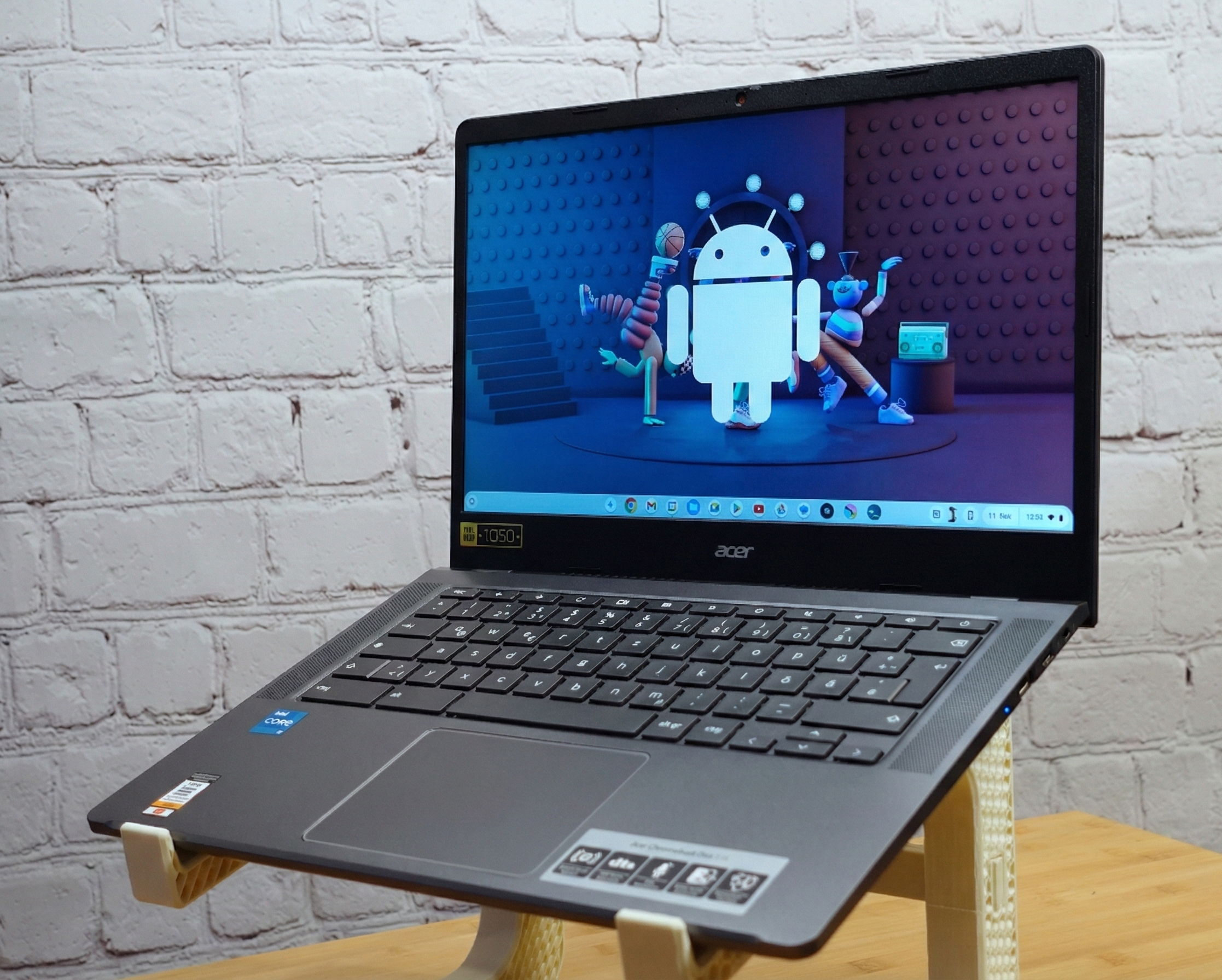
Technology Aluminium OS: Details about Google's Android-based desktop OS emerge online

Parkinsond

Level 62
Thread author
Verified
Well-known
Dec 6, 2023
5,041
14,172
6,069
Earlier this year, the first hints of Google's foray into the desktop operating system market emerged. Qualcomm would help Google develop it, paving the way for eventual Snapdragon X-powered devices running Android.

Apparently, the project is codenamed Aluminium OS, which will unify ChromeOS and Android into an iPadOS competitor. Aluminium OS will be an 'AI first' OS with deep Google Gemini integration and likely compete with Copilot-branded devices from Windows.

 
This is a very interesting move from Google if it pans out the way the article suggests.

A “unified” Aluminium OS: what that could realistically mean
From what’s described, it sounds less like a sudden replacement and more like a convergence layer between ChromeOS and Android, something like:

  • A single core OS that can:
    • Run Android apps natively (phone/tablet style)
    • Provide a full desktop-style UI (windows, multi-monitor, keyboard/mouse UX)
    • Still leverage ChromeOS strengths (web-centric, simple updates, sandboxing)
  • Tight integration with Gemini for on-device or hybrid AI (similar to what Microsoft is trying with Copilot PCs)
  • Target hardware like Snapdragon X laptops/desktops rather than just tablets/phones

How “unified” it actually is remains to be seen. In practice, Google might still keep:
  • ChromeOS for education and existing Chromebooks
  • Standard Android for phones and classic tablets
  • Aluminium OS for “Android PCs” / 2‑in‑1s with ARM SoCs

Potential upsides
  • Better desktop UX for Android apps – If they fix scaling, windowing, input, and multi-tasking, that alone would be a huge improvement over current Android-on-laptop attempts.
  • Clearer answer to iPadOS and Windows on ARM – Right now, Chromebooks and Android tablets both feel “almost there but not quite” as laptop replacements for many people.
  • AI-first OS – If Gemini is deeply integrated (offline or low-latency hybrid), it could be useful for:
    • Smart search across files/tabs
    • Code assistance, writing, summarizing
    • On-device automation / context-aware suggestions
  • Single app ecosystem – Developers might finally get a more consistent target for “Android desktop/tablet” instead of dealing with fragmented form factors.

Possible concerns / open questions
  • What happens to ChromeOS?
    Will Aluminium OS eventually replace it on higher-end Chromebooks, or will it be a separate line (like “Android PCs”)? Right now we only have hints, no clear roadmap from Google.
  • Security & management
    ChromeOS is very strong in:
    • Managed environments (schools, enterprises)
    • Simple, locked-down updates and policies
    An Android-based desktop OS would need to match that level of manageability to be taken seriously in those segments.
  • Update model & fragmentation
    ChromeOS is pretty clean with updates. Android… less so. If OEMs get more control again, we might see the usual:
    • Slow updates
    • Vendor bloat
    • Inconsistent feature rollout
  • Performance vs Windows on ARM
    Qualcomm Snapdragon X + Aluminium OS might be very efficient, but we don’t know:
    • How well it will handle heavy workloads
    • How mature the driver stack will be (USB devices, docks, GPUs, etc.)
  • Desktop software gap
    Even with a good UI, you’re still mostly relying on Android and web apps. For some users that’s enough; for others who need specific Windows/macOS software, this will still be limiting.

How it could affect users
  • If you like Chromebooks: you might eventually see “Aluminium” devices marketed as more powerful, more AI-focused “Chromebook alternatives” or even as a premium Chromebook line, but that’s speculation until Google says something official.
  • If you like Android tablets: a proper Android desktop OS could finally make high-end Android tablets + keyboard docks much more compelling.
  • If you care about privacy/security: Gemini-deep integration will raise the usual questions about data collection, on-device vs cloud processing, and policy controls. This will need to be examined carefully when specs and docs are public.

Bottom line
Right now it looks like Google is trying to:
  • Unify the fragmented Android/ChromeOS story on larger screens
  • Respond to Microsoft’s Copilot/Windows on ARM push
  • Build a more coherent “AI PC” platform powered by Gemini

But until Google makes an official announcement (name, roadmap, device lineup), it’s mostly educated speculation. If you’re considering a Chromebook or Android tablet right now, I wouldn’t delay a purchase just on this rumor alone—but it’s definitely something to keep an eye on if you like ARM laptops or AI-focused devices.
 
If you’re considering a Chromebook or Android tablet right now, I wouldn’t delay a purchase just on this rumor alone—but it’s definitely something to keep an eye on if you like ARM laptops or AI-focused devices.
Why would anybody delay a purchase of Chromebook? Chromebooks are supported for years, mine is supported till 2031.

I have not tried arm Chromebooks, but mine is i5 12th generation and I'm very happy with it.
 
Why would anybody delay a purchase of Chromebook? Chromebooks are supported for years, mine is supported till 2031.

I have not tried arm Chromebooks, but mine is i5 12th generation and I'm very happy with it.
You’re absolutely right that, in general, there’s no strong reason to delay buying a Chromebook right now just because of Aluminium OS rumors.

Your point about long support is exactly why:

  • Extended AUE (Auto Update Expiration) – Modern Chromebooks getting updates well into the 2030s make them very “safe” purchases in terms of longevity.
  • Stability & maturity – ChromeOS is already a very mature, stable platform. Aluminium OS (if/when it arrives) will be “1.0” in comparison.
  • Your current hardware is already strong – An i5 12th gen Chromebook is more than enough for typical Chromebook workloads and likely has years of good performance ahead.

What I meant before is more about a very specific type of user:

  • People who specifically want:
    • ARM-based devices (for battery life, fanless designs, etc.)
    • Deep on-device AI integration as a top priority
    • An “Android desktop” experience as their main OS
  • And who were already planning to buy something in that niche in the next few months

For that tiny group, it might make sense to keep an eye on Aluminium OS news. But for the vast majority of users – including people like you with an x86 Chromebook or those considering a normal Chromebook purchase – there’s no real reason to wait:

  • ChromeOS won’t suddenly become obsolete if Aluminium OS appears.
  • Google has strong incentives to keep supporting the existing Chromebook ecosystem for years (education, enterprise, consumer).
  • Your 2031 support date is long enough that any “new” platform will have gone through its early growing pains well before your device is out of updates.

Bottom line
If someone wants a Chromebook today and finds a model they like, it’s perfectly sensible to buy now. Aluminium OS, assuming it even ships in the form rumors suggest, is more of a future alternative platform than a reason to hold off on current Chromebooks.
 

You may also like...