silversurfer
Super Moderator
Thread author
Verified
Top Poster
Staff Member
Malware Hunter
Forum Veteran
- Aug 17, 2014
- 13,253
- 126,544
- 8,399
Solid-state storage devices have so far been spared from the scarcity and high prices that the chip shortage has wrought upon graphics cards, cars, Raspberry Pi boards, and innumerable other products. But that may change soon, due in part to a "contamination" at two Japanese factories used by Western Digital and Kioxia to make flash memory.
According to a short Western Digital press release, the contamination issue has affected "at least" 6.5 exabytes of flash memory, which works out to just under 7 million terabytes or 7 billion gigabytes—that's a lot of NAND that will suddenly be unavailable for SSDs, phones, memory cards, and USB drives. An analyst speaking to Bloomberg suggested that the final total of affected memory could be as much as 16 exabytes.
The contamination issue could be compounded by other factors, like a recent COVID-19-related shutdown at one of Samsung's Chinese NAND factories. Real or perceived scarcity of SSDs or other components could also lure in scalpers seeking to make a quick buck by snapping up available stock and selling it on eBay or elsewhere at inflated prices.
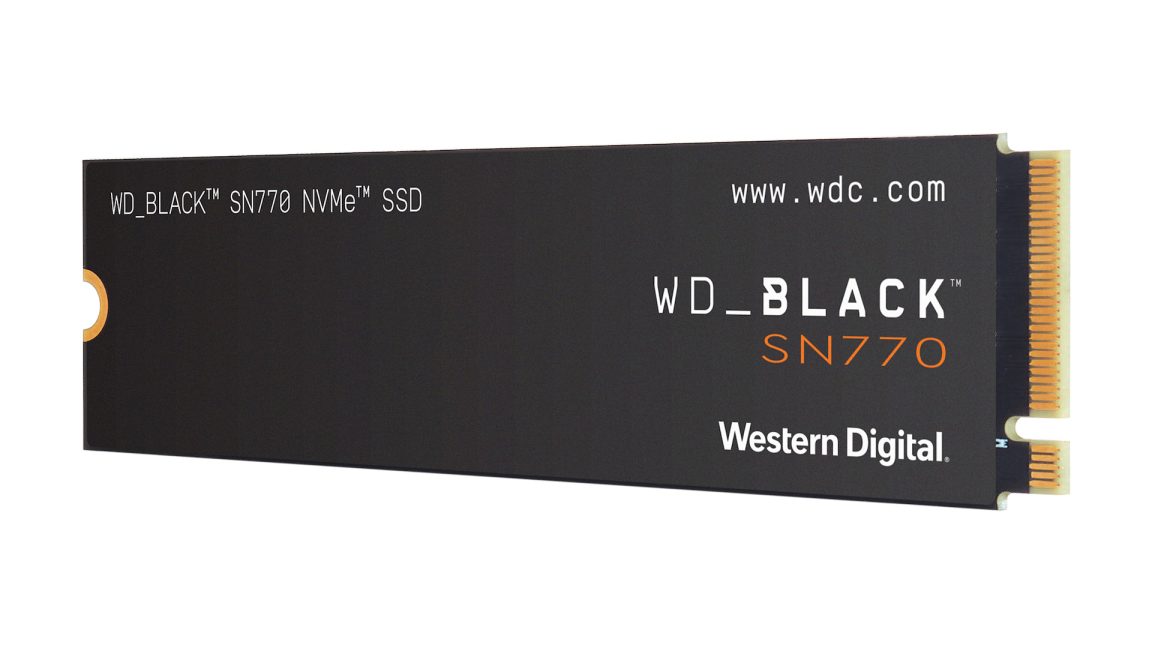
Factory contamination affects “at least” 7 billion gigabytes of flash memory
Two factories used by Western Digital and Kioxia have been affected.
 arstechnica.com