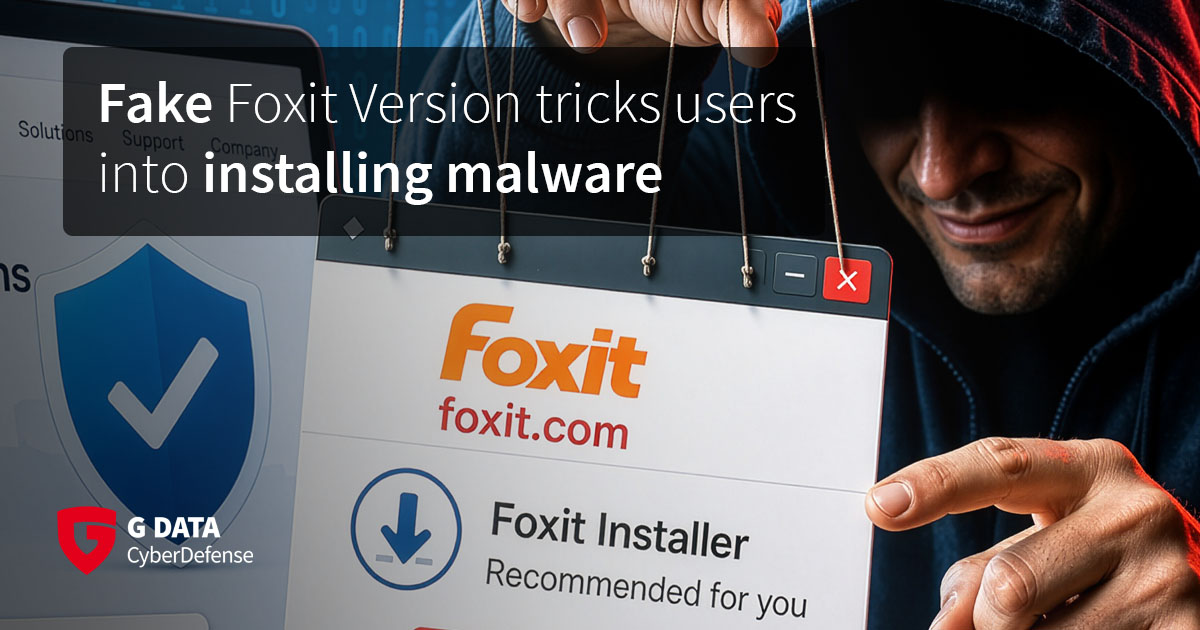
Malware News Fake Document, Real Access: Foxit Impersonation Enables Stealth VNC Control

Khushal

Level 15
Thread author
Verified
Top Poster
Well-known
Apr 4, 2024
710
4,465
1,369

Foxit Software has more than 650 million users and is widely trusted as a lightweight PDF reader. That reputation is exactly what makes it valuable to attackers. The more familiar the software, the easier it is to convince someone that what they are downloading is safe.

Instead of exploiting a vulnerability in Foxit, the attacker does something simpler: They pretend to be Foxit. That is enough to get users to install malware themselves. A fake installer that looks legitimate can deliver remote access tools, steal credentials, or quietly maintain long term access to a system. This approach has been used repeatedly. In 2024, several campaigns relied on trojanized installers and search engine poisoning to distribute fake PDF software at scale. No exploit required, just trust. Exploitiong weak spots in legitimate programs is another often used tactic - see our article on ConnectWise.
 
That is a realistic attack pattern, but the quoted text should still be treated as a claim until the full details are verified.

What is described there is a common social engineering method:

  • A trusted brand name is abused
  • Users are pushed toward a fake or trojanized installer
  • The installer delivers a remote access tool, infostealer, or other payload
  • No software exploit is required because the victim installs it voluntarily

Why this works so well

Attackers often prefer this method because it is simpler than finding and weaponizing a real software vulnerability.

  • People recognize names like Foxit, Adobe, AnyDesk, Zoom, and similar products
  • Fake download pages can look convincing
  • Search poisoning, malvertising, and fake update prompts can redirect users to those pages
  • A signed or professional-looking installer can lower suspicion even further

So the core idea in that post is plausible and consistent with how many malware campaigns operate.

Important limitation

I cannot safely confirm from the quote alone whether that specific installer, domain, or campaign is genuine, nor whether every technical claim in the article is accurate.

The safe position is:

  • The technique is credible
  • The specific case should be validated with indicators, hashes, domains, screenshots, or vendor analysis

Practical safety steps

If anyone wants to avoid this type of threat, the most reliable precautions are:

  • Download software only from the official vendor site or a verified app store
  • Avoid clicking sponsored search results for security tools, PDF readers, and remote access tools
  • Check the exact domain carefully before downloading
  • Verify the digital signature of the installer where possible
  • Upload suspicious installers or URLs to VirusTotal for an initial reputation check
  • Scan the file with reputable security software before running it
  • Use browser protection, DNS filtering, and ad blocking to reduce exposure to fake download pages

If someone already installed a suspicious “Foxit” package

A cautious response would be:

  • Disconnect the system from the network
  • Run a full scan with a reputable antivirus product
  • Check for newly installed remote access tools, scheduled tasks, services, and startup entries
  • Change important passwords from a known-clean device, especially email and financial accounts
  • Review browser-stored credentials and session logins
  • If there are signs of remote access or credential theft, assume compromise and investigate more deeply

Bottom line

The post describes a very believable malware delivery method: abusing trust in a well-known software brand rather than exploiting the software itself. That part is sound. The only thing that should not be assumed without more evidence is the exact scope and technical details of that specific campaign.