

Question How are websites analyzed for reputation?

Please provide comments and solutions that are helpful to the author of this topic.

Jonny Quest

Level 32
Thread author
Verified
Top Poster
Well-known
Mar 2, 2023
2,129
14,105
3,069
USA
How do AV browser extensions analyze (the vendors technology) websites as far as being safe. I'm not so much asking about website browser protection against malware, phishing etc, but of reputation, of site ratings? I remember back in the day when we would let WOT know, report if we thought a website was safe that wasn't properly rated yet.

With BD TrafficLight and McAfee, Kaspersky etc, they seem to be pretty up to speed as far as known good sites (green Google search check marks). Over time did some of the lesser-known sites get reported and added to the safe, whitelist and get a green reputation check mark and they have a bigger data base of websites?

I've submitted 3-4 lesser-known vendor sites to F-Secure to add to the whitelist, but at one time, I'm pretty sure this forum and MalwareTips Google search was approved by F-Secure, but maybe something happened where that is no longer the case, something on their end? Just wondering :)
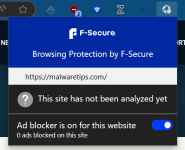
Screenshot 2024-10-13 142543.png Screenshot 2024-10-13 145542.png
 
Last edited:
I was looking for that too, but didn't find a simple answer, it depends on too many factors, for short:

What are the factors that affect website reputation?​

There are several factors that can affect website reputation, including the quality and relevance of the content, the presence of malware or other security threats, the frequency of updates and maintenance, the popularity and traffic of the website, the age and authority of the domain, and the level of user engagement and feedback.
 
  • Thanks
Reactions: Jonny Quest
I've noticed that AV extensions like BD TrafficLight, McAfee, and Kaspersky mostly rely on their own databases along with reports from users, kind of like how WOT used to work back in the day. Over time, they definitely build up a bigger list of trusted sites from all those sources, including ones they crawl and analyze directly, plus whatever the community flags. I've submitted a few lesser-known sites to F-Secure, too, and sometimes it feels like they take forever to review and whitelist them. And yeah, I’ve seen safe-rated sites randomly lose their green check, probably because the AV companies change their criteria or policies every so often.
 
How do AV browser extensions analyze (the vendors technology) websites as far as being safe. I'm not so much asking about website browser protection against malware, phishing etc, but of reputation, of site ratings? I remember back in the day when we would let WOT know, report if we thought a website was safe that wasn't properly rated yet.

With BD TrafficLight and McAfee, Kaspersky etc, they seem to be pretty up to speed as far as known good sites (green Google search check marks). Over time did some of the lesser-known sites get reported and added to the safe, whitelist and get a green reputation check mark and they have a bigger data base of websites?

I've submitted 3-4 lesser-known vendor sites to F-Secure to add to the whitelist, but at one time, I'm pretty sure this forum and MalwareTips Google search was approved by F-Secure, but maybe something happened where that is no longer the case, something on their end? Just wondering :)
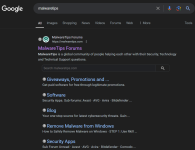
View attachment 285789 View attachment 285790
Honeypots , static , huristics , machine learning , human verdicts(submission by users ) , paid feeds, reputation(uncategorized ) etc
 
Last edited: