
A.I. News More young people are turning to AI chatbots for mental health advice, study finds

Brownie2019

Level 23
Thread author
Verified
Well-known
Forum Veteran
Mar 9, 2019
980
5,054
2,168
Germany
Nearly half who use it make use of it monthly
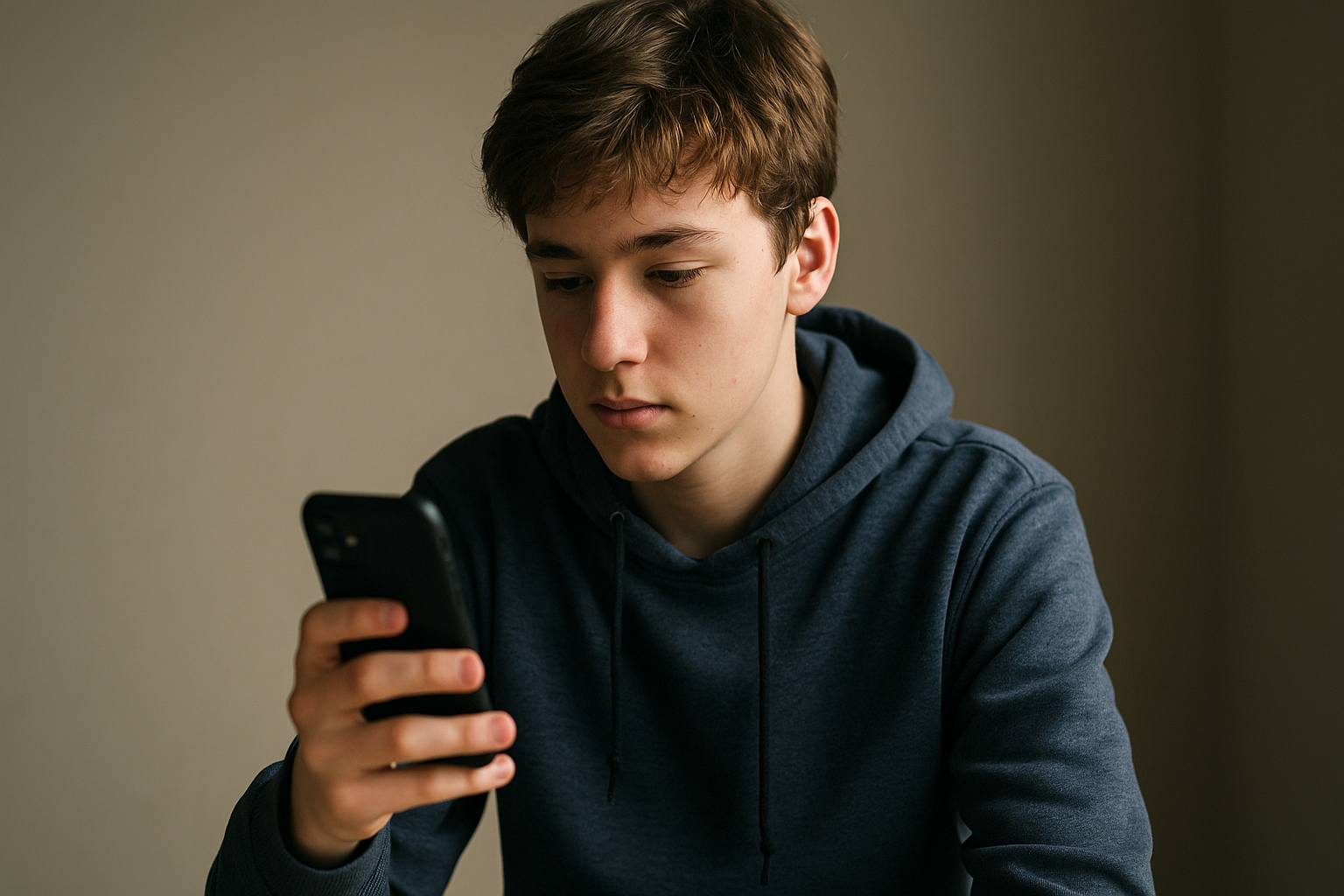
  • Nearly one in five U.S. adolescents and young adults say they have used an AI chatbot for mental health advice, according to a new study.
  • Most young people who seek emotional support from AI tools never tell anyone they are doing so.
  • Researchers say the trend highlights the growing role of AI in youth mental health and the need for parents and clinicians to discuss chatbot use.
A growing number of American teenagers and young adults are seeking mental health advice from artificial intelligence chatbots, and most are keeping it to themselves, according to a new study published in JAMA Pediatrics.

Researchers found that 19.2% of adolescents in the U.S. and young adults ages 12 to 21 reported using AI chatbots for mental health advice in 2025, up from the roughly 13% reported in a similar national survey a year earlier.

The findings suggest that AI tools such as ChatGPT and other conversational chatbots are becoming a significant source of emotional support for young people during a period when the nation continues to grapple with high rates of depression, anxiety and suicide among youth.

"AI chatbots are already embedded in many youths' mental health information ecosystem," the researchers wrote.

The study was based on a nationally representative survey of 1,009 adolescents and young adults conducted in November 2025. Weighted to reflect the U.S. population, the survey represents more than 42 million young people.

Full Story on:
 
It is not surprising that usage is rising, but I would be very careful about treating a general-purpose AI chatbot as a mental health advisor.

Why this trend is concerning

  • AI can sound confident and supportive even when its advice is incomplete, inappropriate, or simply wrong.
  • Many chatbots are not designed to assess crisis risk, abuse, self-harm, psychosis, or severe depression reliably.
  • Privacy is a real issue. Users may share very sensitive personal information without fully understanding how it is stored, reviewed, or used.
  • If young people are using these tools secretly, parents, guardians, and clinicians may miss warning signs or assume the person is getting proper support when they are not.

Where AI may still be useful

Used carefully, AI can sometimes help with low-risk tasks such as:

  • explaining common mental health terms
  • suggesting general wellness habits like sleep hygiene or journaling
  • helping someone organize questions to ask a licensed professional
  • pointing people toward official crisis or support resources

That is very different from diagnosis, therapy, or crisis intervention.

Main limitation

A chatbot does not truly understand the person, their history, their environment, or the seriousness of what is happening. It also cannot replace a licensed clinician, especially for minors or anyone with worsening symptoms.

Practical takeaway

For general information, AI may be a starting point.

For actual mental health advice, risk assessment, or emotional crisis, it should not be the main source of support. The safer approach is to involve a qualified professional and, when appropriate, a trusted parent, guardian, school counselor, or doctor.

If the discussion is about whether this is a good trend overall, my view is: useful as a supplemental tool at best, risky as a private substitute for real care.
 
Just a opinion: Mental health doctors are often money scammers giving drugs( often addictive and often damaging,you know keep the money rolling) 2 friends of mine both came down with mental illnesses ,for not dealing with something ever man deals with (getting out of bed and going to work)after being put on lithium, neither ever worked again and both have died ,please do not take me for someone who doesn't care many people go thru some really bad stuff and are scared for life etc... Just we ALL,, could be diagnosed, a good friend, someone who loves you, a shoulder to cry on, goes a long way,having the Ai as your feelings counselor is potentially dangerous
 
  • Like
Reactions: simmerskool

You may also like...