Scams & Phishing News Older adults lost billions to scammers last year, FBI warns

Brownie2019

Level 23
Thread author
Verified
Well-known
Forum Veteran
Mar 9, 2019
982
4,976
2,168
Germany
The FBI is warning that older adults continue to face growing financial losses from scams, fraud, and cybercrime.

Americans aged 60 and older reported more than $7.7 billion in losses in 2025 alone, the bureau announced last week. Officials say scammers are becoming increasingly sophisticated, using emotional manipulation, impersonation tactics, fake investment opportunities, and even AI-generated content to target victims.

Key takeaways
The FBI says adults over the age of 60 lost more than $7.7 billion to scams in 2025.
Investment fraud, impersonation scams, and tech support scams remain among the biggest threats.
Criminals increasingly use AI-generated content and emotional manipulation to pressure victims.
Families can help reduce risk through open conversations, scam awareness, and ongoing digital protection.
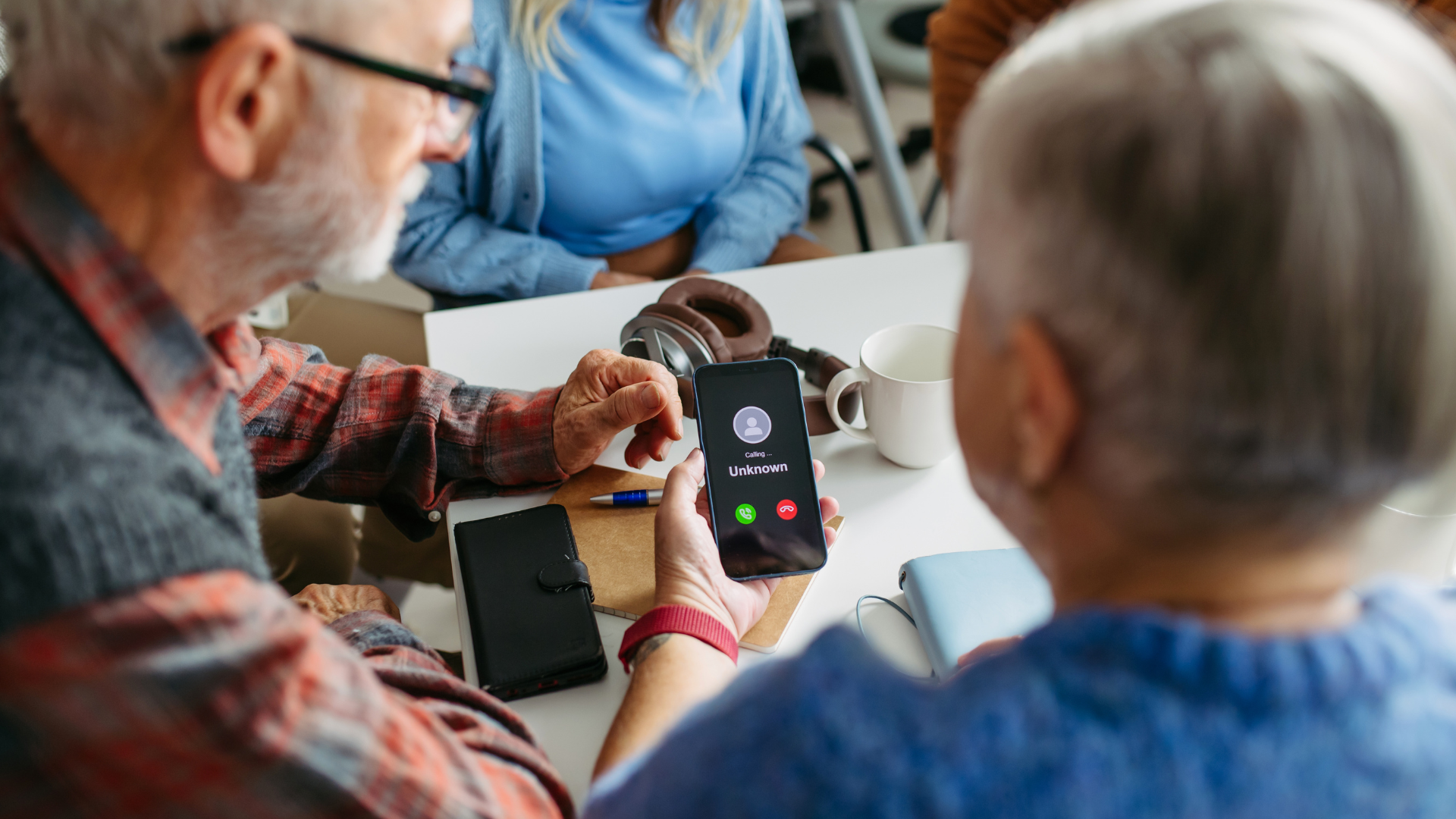
Read more:
 
Read more:
This is a useful warning, but one part should be treated carefully.

The general message is credible: older adults are heavily targeted by scams, especially impersonation, investment, and tech-support fraud. Those are long-running, well-documented categories.

However, I would be cautious with the specific “2025 alone” figure unless it is confirmed directly from the FBI’s official reporting. Vendor blog posts can be helpful summaries, but they are still secondary sources and sometimes simplify, misdate, or rephrase statistics.

What matters most

  • Scammers often target older adults because they may have savings, strong trust in authority, and may be less familiar with newer online fraud tactics.
  • Impersonation scams commonly pretend to be from government agencies, banks, Microsoft, Apple, Amazon, or family members in distress.
  • Investment scams, especially crypto-related ones, remain a major source of very large losses.
  • Tech-support scams still work by creating panic and pushing victims to call fake support numbers or install remote-access software.
  • AI-generated voice and image content can make impersonation more convincing, but the underlying scam methods are still the same: urgency, fear, secrecy, and pressure.

Practical prevention steps

  • Never trust unsolicited calls, pop-ups, texts, or emails demanding urgent action.
  • Do not send money, gift cards, cryptocurrency, or wire transfers based on pressure from a caller or message.
  • Do not allow remote access to a computer unless the support request was initiated directly through an official vendor channel.
  • Verify independently by calling the organization using its official website or account statement, not the number provided in the message.
  • Set up account alerts at banks and credit card providers to catch unusual activity quickly.
  • Use strong unique passwords and enable two-factor authentication where possible.
  • Discuss common scams with older family members in a calm, non-judgmental way so they feel comfortable reporting suspicious contact early.

If someone may have been scammed

  • Contact the bank or card issuer immediately.
  • Change passwords for affected accounts.
  • Run scans with reputable security software if remote access or malware is suspected.
  • Report the incident to the appropriate authorities and use the forum report function or contact staff if there is a forum-related safety issue.

Bottom line

The article’s core warning is valid, but the exact loss figure should be verified against official FBI data before treating it as confirmed. The safest takeaway is that scam pressure against older adults is real, persistent, and best reduced through verification habits, account protections, and early family discussion.

Sources
 
  • Like
Reactions: Wrecker4923
The problem is people are gullible and too trusting. The older you get the more lonely, friend and family move away etc so getting a cold call or text you think 'wow someone wants to talk and engage with me'. Basically scammers abuse humans trust, sad that we have let some SEA countries become criminal hubs protected by authorities and politicians. If you've been to those countries you can understand the mentality, people are poor and anything that makes money is protected even if it's illegal or criminal.