


read more:Even without location tags or captions, AI can identify where many travel photos were taken
Your vacation photos may reveal more than you think. AI can often identify where a photo was taken—even without location tags, captions, or metadata.
Scammers can use those details to make phishing attacks more convincing. They may impersonate airlines, hotels, or travel companies using information tied to your trip.
You don't have to stop sharing your travels. Being more mindful about what you post, when you post it, and who can see it can help reduce your risk.
Before you share those beach sunsets and vacation selfies, it's worth thinking about what your photos might be revealing.
Thanks to advances in artificial intelligence, a single travel picture can contain more clues than most people realize — even if you've removed the location tag and skipped the caption.
According to new research from McAfee, AI tools can often identify where a photo was taken based on the image alone, potentially giving scammers the information they need to create highly personalized phishing emails, texts, and other scams.
ConsumerAffairs spoke with Steve Grobman, Chief Technology Officer at McAfee, about how this technology works, why it matters, and what travelers can do to better protect their privacy online.
Vacation photos reveal a lot
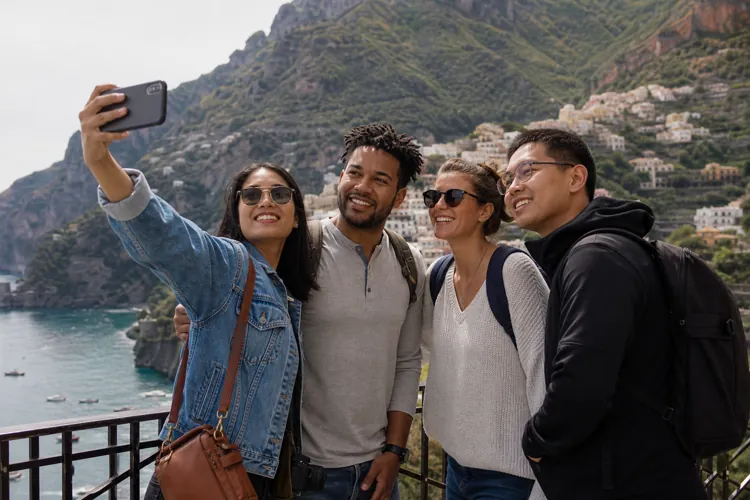
Think your vacation photos are harmless? They could be giving scammers an advantage
Your vacation photos may reveal more than you think. AI can often identify where a photo was taken—even without location tags, captions, or metadata.Scamme
 www.consumeraffairs.com


