

If you’ve been scrolling through Facebook, Instagram, or TikTok lately, you’ve probably seen an ad claiming you can make easy passive income in just seven minutes a day. The pitch is simple: follow a “secret phone trick” or “daily WiFi habit,” and you could start earning hundreds of dollars without any experience, tech skills, or hard work. It’s marketed under names like 7 Minute WiFi Blueprint, Cash Phone, WiFi Profits App, and Automatic Cash Machine, all promising the same thing — effortless income from your phone.
It sounds tempting, especially if you’re looking for ways to make money from home. But behind the slick videos, fake countdown timers, and urgent offers lies something very different from what’s promised. This article exposes the full truth about the 7 Minute WiFi Blueprint Phone Trick Scam, breaking down exactly how it operates, why it’s dangerous, and how you can protect yourself.
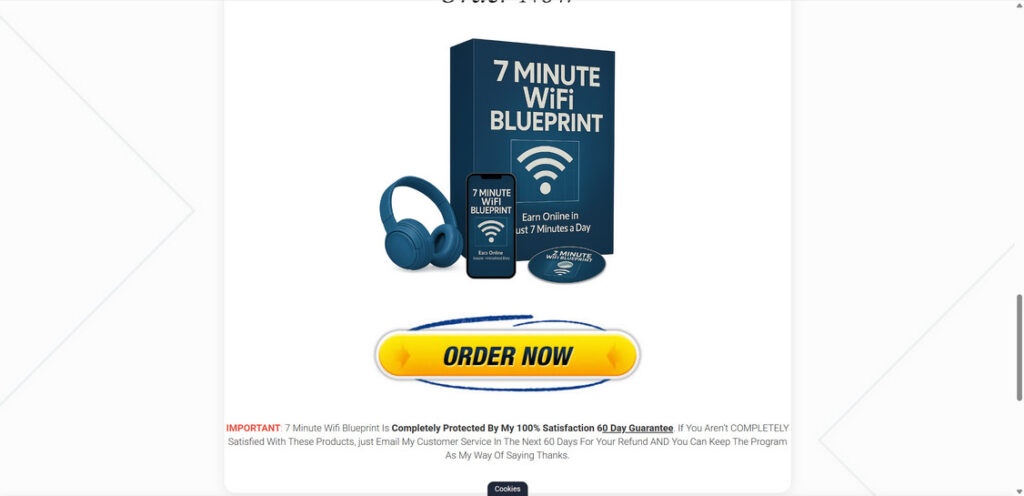
Scam Overview – What is the 7 Minute WiFi Blueprint Phone Trick Scam?
The 7 Minute WiFi Blueprint Phone Trick is part of a long-running cycle of online get-rich-quick schemes that use rebranded names to avoid detection. The scam works by presenting a polished, convincing pitch that appeals to people’s desire for fast, easy money without significant effort.
The hook is always the same:
- Minimal Time Commitment: “Just seven minutes a day.”
- No Skills Required: “Anyone can do this, even if you’re a total beginner.”
- Guaranteed Earnings: “Earn $200, $400, or even $1,000 a day.”
- Low Entry Fee: “Only $37 to unlock the system.”
At first glance, the website looks professional. It uses testimonials, stock images of happy people using their phones, and vague but exciting claims about “unlocking the power of your phone” or “flipping the switch on a WiFi income machine.” They also plaster 60-day money-back guarantees across the page to reduce skepticism and encourage quick purchases.
But dig deeper, and several red flags start to appear:
1. Fake Urgency and Scarcity
Almost every version of this scam uses countdown timers that reset every time you refresh the page. They warn that your “spot” will be given to someone else if you don’t act now. This is pure psychological pressure designed to push you into buying without thinking.
2. Fabricated Testimonials
The so-called reviews from “real customers” are often stock photos or paid actors from gig websites. The language in these reviews is overly enthusiastic, repetitive, and eerily similar across different scam brands.
3. Unrealistic Income Claims
The claim that you can make hundreds of dollars per day with zero experience and minimal effort is mathematically and practically impossible. If a system like this really worked, its creators would be using it themselves — not selling it for $37.
4. Hidden Costs
While the initial purchase price is often $37, victims frequently report unexpected upsells, hidden subscription charges, and requests for more payments after joining.
5. Constant Rebranding
When negative reviews start piling up or payment processors cut them off, the scammers simply relaunch under a new name and domain. That’s why you’ll see similar pitches across sites like Cash Loophole, Pocket Sized ATM Machine, WiFi Profits App, and now 7 Minute WiFi Blueprint.
These tactics have been used in countless online scams over the years, and they all rely on high-pressure marketing, misleading promises, and lack of transparency to hook victims.
How the Scam Works
The 7 Minute WiFi Blueprint Phone Trick Scam follows a predictable pattern. Here’s the full process from start to finish:
Step 1 – Aggressive Social Media Advertising
Scammers buy targeted ad space on Facebook, Instagram, TikTok, and YouTube. The ads are designed to look like success stories, featuring smiling people checking their phones or celebrating big payouts. They often include captions like:
- “Quit your job with this 7-minute daily trick.”
- “No selling, no talking, no experience needed.”
- “This simple WiFi habit makes me $400 a day.”
These ads target users based on demographics, browsing history, and interests, often focusing on people who follow side hustle or work-from-home pages.
Step 2 – The Landing Page
When you click the ad, you’re taken to a landing page that looks like it belongs to a legitimate online business course. It features a video sales letter, often 10–15 minutes long, narrated by a so-called “guru” or system creator. The narrator claims to have discovered a secret method for making money online and insists it’s something anyone can do.

Step 3 – The Countdown Timer and “Reserved Spot”
As soon as you land on the page, a timer starts counting down from around 10 minutes. You’re told that only a few spots remain, and if you don’t act now, your account will be handed to someone else. In reality, the timer is fake and just resets if you reload the page.
Step 4 – The $37 Entry Fee
The video eventually directs you to a checkout page, offering “instant access” to the system for just $37. They highlight the low price compared to the “thousands” they claim the system is worth. This small amount is chosen strategically — it’s low enough that many people won’t hesitate to pay without researching first.
Step 5 – The “Training” or “Blueprint”
Once you pay, you’re given access to a so-called training portal. This usually contains generic videos about basic online marketing or outdated methods that no longer work. There’s no unique “7-minute trick” — it’s just filler content that could be found for free on YouTube.
Step 6 – The Upsells
After joining, you’re often pressured into buying additional “premium” tools, traffic packages, or mentorship programs. These upsells can cost hundreds or even thousands of dollars.
Step 7 – The Real Revenue Source
The actual way to make money with this “system” is to promote the very same scam to other people. They provide you with affiliate links and suggest that your income will grow as you recruit more buyers — turning it into a pyramid-style referral scheme.
Step 8 – Ghosting the Victim
If you try to get a refund or ask for help, customer service is often slow to respond or completely unresponsive. Some victims report being blocked from the members’ area entirely after requesting a refund.
What to Do if You’ve Fallen Victim to the 7 Minute WiFi Blueprint Scam
If you’ve already purchased the 7 Minute WiFi Blueprint or any of its rebranded versions, take the following steps immediately:
- Stop All Payments – Cancel any active subscriptions or automatic payments linked to your bank or PayPal account.
- Contact Your Bank or Card Issuer – Explain the situation and request a chargeback for unauthorized or deceptive transactions.
- Document Everything – Keep screenshots of ads, receipts, and email communications. This will help with disputes and reports.
- Request a Refund Through the Payment Processor – If the scam used a legitimate platform like ClickBank, you may have a limited time to claim a refund.
- Report to Authorities – In the US, file a complaint with the FTC and Internet Crime Complaint Center (IC3). In other countries, contact your local consumer protection agency.
- Warn Others – Leave honest reviews on Trustpilot, Reddit, and scam reporting sites to help others avoid falling for the same trap.
- Monitor Your Accounts – Watch for suspicious charges and change your passwords if you entered them anywhere during the signup process.
Frequently Asked Questions About the 7 Minute WiFi Blueprint Phone Trick Scam
1. What is the 7 Minute WiFi Blueprint Phone Trick?
The 7 Minute WiFi Blueprint Phone Trick is an online program that claims you can earn hundreds of dollars per day by spending just a few minutes using your phone. It’s promoted through flashy social media ads that promise easy, hands-free income with no skills or experience required. In reality, the system offers little more than generic, outdated advice and is often part of a larger referral scam.
2. Is the 7 Minute WiFi Blueprint a legitimate way to make money online?
No. This program shows multiple signs of being a scam, including fake urgency, unrealistic earnings promises, fabricated testimonials, and hidden upsells. Real online income opportunities require consistent effort, learning, and skill-building — not a “secret trick” that works for anyone instantly.
3. How does the scam work?
The scam follows a predictable process:
- It starts with targeted ads on Facebook, Instagram, or TikTok.
- You’re sent to a landing page with a long sales video and a fake countdown timer.
- You’re asked to pay a small “activation” fee (often $37).
- After payment, you receive generic training content.
- You’re encouraged to make money by promoting the same scam to others.
This model makes the scammers money while leaving victims with nothing of real value.
4. Are there hidden costs or recurring charges?
Yes. While the initial cost is advertised as a one-time fee, many users report being charged for upsells or recurring subscriptions they didn’t knowingly agree to. Some victims also receive aggressive pitches for “premium upgrades” costing hundreds or thousands of dollars.
5. What are the red flags that show it’s a scam?
Key warning signs include:
- A fake countdown timer to create pressure.
- Overly vague promises like “unlocking your phone’s hidden income power.”
- Stock photos and scripted testimonials.
- Earnings claims of $200 to $1,000 per day with no experience required.
- The same sales pitch appearing under different names over time, such as Cash Phone, WiFi Profits App, and Automatic Cash Machine.
6. Who is behind the 7 Minute WiFi Blueprint Scam?
The real identities of the people behind the scam are usually hidden. The names shown in videos or emails, like “Jeff Walsh” or “Brad Wilksford,” are often fake or belong to actors hired for marketing videos. The scam operators constantly change domains and brand names to avoid detection and negative reviews.
7. Can I get my money back?
If you paid through a legitimate payment processor like ClickBank, you may be able to request a refund within a limited time (often 60 days). Contact the processor directly, not the scammer’s customer support. If you paid via credit card or PayPal, you can also file a dispute or chargeback. Acting quickly increases your chances of success.
8. How can I report the scam?
You can report the scam to:
- FTC (Federal Trade Commission) – ReportFraud.ftc.gov
- IC3 (Internet Crime Complaint Center) – ic3.gov
- Your local consumer protection agency
- Review and scam-report websites like Trustpilot and ScamAdviser
Reporting helps warn others and increases pressure on scammers to shut down operations.
9. How do I avoid similar scams in the future?
Follow these guidelines:
- Research any online income program before paying.
- Look for independent reviews, not just testimonials on the official site.
- Be skeptical of guaranteed daily earnings or “set-and-forget” systems.
- Avoid offers with countdown timers or limited spots — these are often fake.
- Remember: if it sounds too good to be true, it probably is.
10. What’s the bottom line on the 7 Minute WiFi Blueprint?
The 7 Minute WiFi Blueprint Phone Trick is a recycled get-rich-quick scam. It offers no real or sustainable way to make money online. Victims pay for hype and vague promises, not proven methods. Your best defense is to stay informed, question unrealistic claims, and avoid rushing into purchases without verifying the legitimacy of the offer.
The Bottom Line – Final Verdict on the 7 Minute WiFi Blueprint
The 7 Minute WiFi Blueprint Phone Trick is not a real business opportunity. It’s a recycled scam model that uses false urgency, fake testimonials, and unrealistic income promises to convince you to spend money on a worthless program.
While the initial $37 cost may seem small, the real danger lies in the upsells, hidden charges, and wasted time. The system itself offers no unique or effective way to make money online. Instead, it’s designed to keep you buying more while delivering almost nothing of value.
If you encounter this or any program promising effortless, guaranteed income with minimal work, treat it as a scam until proven otherwise. The best protection is skepticism, research, and refusing to rush into purchases without independent verification.

Join the discussion
0 commentsShare your experience or ask a question about this article.
Discussion
Start the conversation
Have a question or something useful to share? Add the first comment.