

The BetOnline Alias had never been used as a real name. It existed for one sports-betting account, paired with a real mobile number.
Then a fake Bank of America caller used that exact absurd name while trying to discuss fraud.
Overview
The fake name turned a routine bank scam into a data question
A recent consumer report describes a person who created a BetOnline account the previous year, placed one sports bet, and stopped using the service. The account used a made-up name and email address but the person’s real cell number.
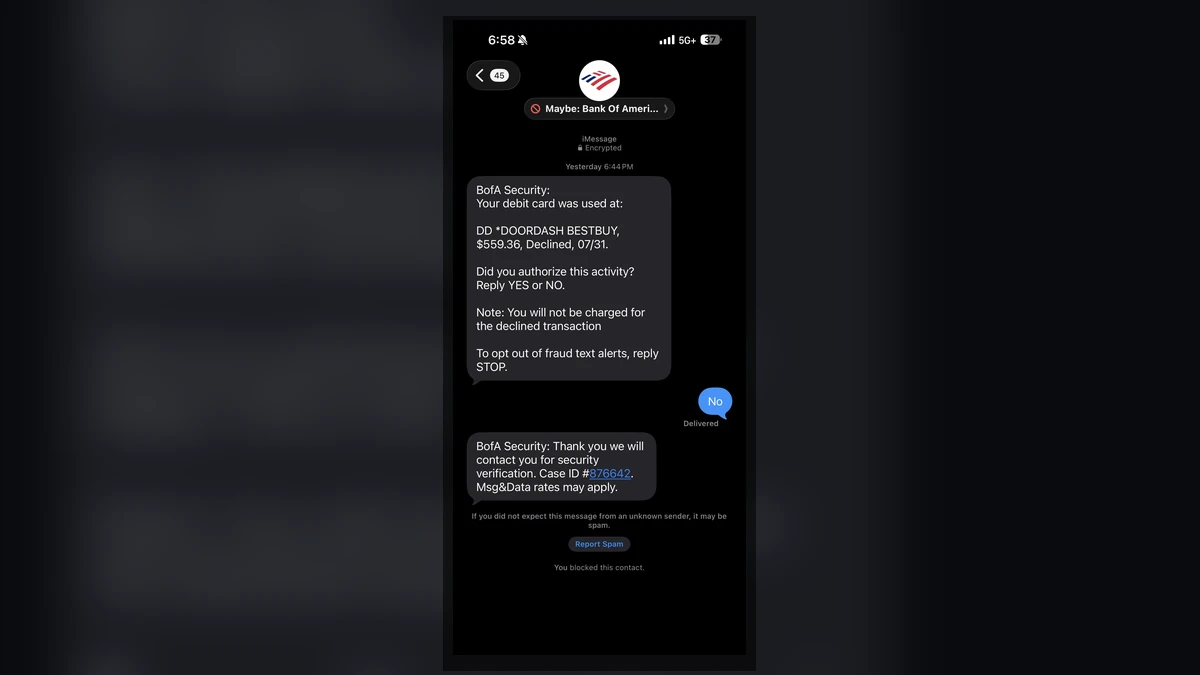
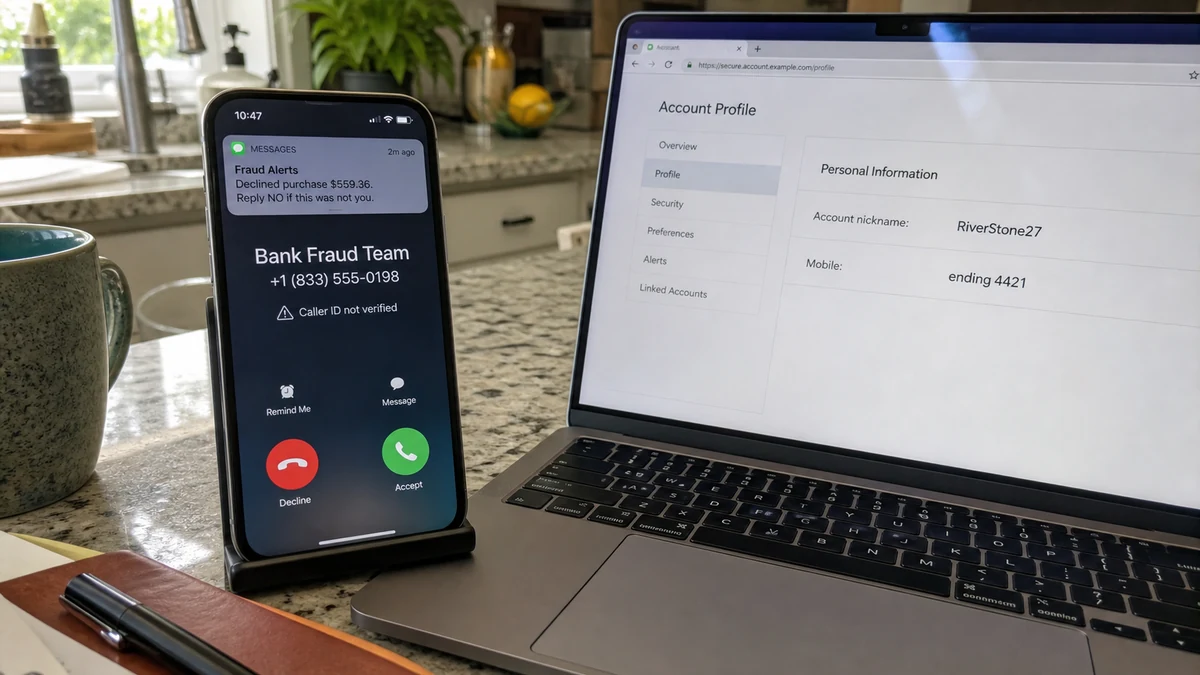
Later, a fake Bank of America fraud text arrived. The recipient replied “no” and received a call about two minutes later from someone claiming to work for the bank’s fraud department.
Before the call ended, the supposed agent asked the recipient to confirm the strange alias used for BetOnline. Because the name was intentionally absurd and apparently used nowhere else, the match felt impossible to dismiss as a generic guess.
The match is evidence of correlation, not proof of its source
The report supports a narrow but important conclusion: someone making the fake bank call had access to a record that associated the alias with the real phone number, or obtained that pairing through another route.
It does not establish how the data left its original context. A first party, vendor, affiliate, payment processor, email account, device, browser extension, reused form, data broker, or criminal compromise could sit somewhere in the chain.
That distinction protects readers from two errors. The detail should not be ignored as random, but it also should not be turned into a public accusation of a specific breach or sale without records that identify the responsible system.
The accurate alias made the fake bank call more persuasive
The caller did not need the recipient’s real name to sound informed. The alias functioned like a private fact, and private facts often feel like authentication.
Bank of America warns that criminals can spoof bank numbers and use convincing information. Its official advice is to end unexpected contact and call through the number on the card or statement.
Warning signs in the BetOnline Alias call included:
- An unexpected BofA fraud text arrived without a verified app alert.
- The recipient’s reply was followed almost immediately by a call.
- The caller relied on a name rather than a secure bank channel.
- The name belonged to an unrelated betting account, not the bank.
- The caller’s possession of data was treated as proof of authority.
- No independent confirmation connected the call to Bank of America.
- The source of the alias-and-phone pairing remained unproven.
- Continuing the call could have exposed passwords, codes, or money.
What the One-Use Alias Actually Tells Us
A unique alias is a useful marker. If a person gives every service a different email address or invented name, later spam can reveal which label traveled into another context.
In this case, the alias reportedly existed only on BetOnline. The real number was also present there. The fake bank caller knew both pieces together.
That is stronger evidence than receiving ordinary gambling spam after visiting a betting website. The caller did not merely know that the phone owner might gamble; the caller used the exact label tied to the number.
However, provenance rarely stops at the page where a user typed the data. An account can interact with identity services, payments, marketing systems, fraud tools, customer support, analytics, affiliates, and cloud vendors.
A password manager or browser autofill can also place data where the user did not intend. Malware, a compromised email inbox, or an exported contact file may reveal the same pairing.
The public report contains no breach notification, log, vendor record, contract, database sample, or forensic result. It therefore cannot tell us which system was accessed or whether the information was stolen, sold, shared, scraped, or exposed through the user side.
The correct response is to preserve the signal and investigate it. Record the alias, number, dates, original account, fake text, and call. Ask the companies involved what they can verify without declaring the cause in advance.
How the BetOnline Alias Scam Works
Step 1: A data record reaches a scam operation
The operation obtains a phone number tied to a name or alias. The record may come from a compromised account, a commercial lead chain, an unauthorized disclosure, infostealer malware, or another source.
The criminals do not need a full identity. One unusual field can make a later call feel personal.
Step 2: A fake BofA text tests the number
The recipient receives a message about a declined payment, suspicious purchase, locked card, or account fraud. The text asks for a yes-or-no reply or provides a callback route.
Replying confirms that the number is active and that the person responds to bank-security prompts. It can also trigger a human caller while concern is fresh.
Step 3: The follow-up call borrows bank authority
A caller identifies as a fraud specialist. Caller ID may show Bank of America or a number copied from an official page.
The caller refers to the same alert, creating the appearance of a coordinated bank system. In reality, the text and call can be two stages of one criminal script.
Step 4: The alias becomes a trust shortcut
The caller asks whether the recipient is the person named in the data. Hearing a private or strange alias can be more convincing than hearing a common legal name.
The target may then correct the caller, explain where the alias came from, or reveal the real name. Each reaction supplies more data.
Step 5: Security questions collect what the record lacks
The fake agent may request a ZIP code, card digits, Social Security fragment, online-banking username, or verification code. These questions are framed as account protection.
Criminals can combine the answers with the original record to attempt password resets, account recovery, SIM fraud, or more accurate impersonation.
Step 6: The caller creates a money emergency
The victim may be told to move money to a safe account or send a Zelle payment to themselves, buy gift cards, install remote-access software, or approve a transfer.
Bank of America’s current impersonation warning says the bank will not ask for a password, verification code, or transfer in connection with a fraud claim.
Step 7: The enriched profile is reused
Even if no money moves, the conversation can confirm the real name, bank relationship, account habits, and willingness to answer. That profile may be sold or used in a second call.
A future caller can mention both the BetOnline Alias and the failed BofA contact, claiming to investigate the first scam. Accurate history still does not authenticate the new person.
Why the Data Does Not Prove a BetOnline Breach or Sale
The most emotionally satisfying explanation is often the simplest one: the unique data was entered on one service, so that service must have exposed it. That may be one possibility, but the public evidence does not close the chain.
Online accounts rely on other companies. A payment may involve a processor. Identity checks may involve a vendor. Marketing campaigns may involve affiliates. Support records may exist in a separate platform.
The user side has its own dependencies. Browser extensions can read form fields, email accounts can hold welcome messages, password managers can be compromised, and infected devices can capture sessions or keystrokes.
Data brokers may combine records. A broker that receives a betting-interest segment from one source and a phone identity from another can create a merged profile that did not exist in either original file.
Criminals also enrich cheap lists by calling. If the target corrects an alias, the operator gains a legal name. If the target says “I used that for betting,” the operator gains the source context too.
None of these alternatives clears or implicates a named company. They explain why a responsible article should say “the pairing appeared in a scam call” rather than “this company sold the data.”
Notify BetOnline through a verified support route and request an account-security review. Ask which processors and active sessions are connected, whether the phone or profile changed, and whether the company has issued any relevant security notice.
If a regulator, company investigation, or breach notification later identifies a source, the conclusion can be updated. Until then, attribution remains open.
Why Bank Impersonators Use Correct Information
People expect scam calls to be vague. A correct name, address, recent purchase, card fragment, or account balance defeats that expectation.
The caller may deliberately begin with a true fact and follow with a false conclusion. “We know this name, therefore we are your bank” is the hidden leap.
A bank authenticates customers inside controlled systems. A caller who recites information is performing in the opposite direction: the stranger is using data to persuade the customer to authenticate the stranger.
Do not play that game. End the call, open the official app, and contact the bank through the card or statement. Ask whether it sent the alert and whether the referenced transaction exists.
The MalwareTips guide to the fake BofA attempted-transaction alert explains how the text-to-call sequence can lead to a one-time-code theft. The BetOnline Alias adds a valuable data-provenance clue, not a new form of bank authentication.
Bank of America accepts suspicious texts at abuse@bofa.com and tells people who responded to call the number on the card or statement. Its official reporting page should be opened independently.
How to Investigate an Alias Leak Without Making It Worse
Write down every place the alias was used. Include email addresses, phone numbers, payment methods, browser profiles, and any copied onboarding documents.
Search the email inbox for the alias. Old confirmation messages can reveal services, vendors, or support tickets that also contained it.
Review the betting account from a clean device. Check login history, active sessions, contact data, payment instruments, and messages. Replace the password if it was reused anywhere.
Inspect email forwarding rules, recovery addresses, connected applications, and unknown devices. An inbox compromise can expose account names without a public data breach.
Run a security scan and remove suspicious extensions. Do not install a “leak checker” sent by someone who contacts you after the report.
Ask the mobile carrier to add an account PIN and port freeze where available. A phone number tied to identity data can be useful for SIM-swap attempts.
Preserve the original fake BofA text before blocking it. Record whether it arrived through SMS or iMessage, the sender address, timestamp, link, wording, and call number.
Report spoofing and unwanted texts through the FCC complaint route. Forward scam texts to 7726 where supported.
Do not publish the full phone number, account identifiers, alias email, or screenshots containing personal data. Public evidence should warn others without improving the criminal profile.
Finally, consider unique aliases a detection tool, not a privacy guarantee. They can reveal movement after the fact, but they do not prevent a service or compromised device from associating them with a real person.
What Information Could Be at Risk
The confirmed overlap is an alias and phone number. Depending on the original account, the associated record could also contain an email, date of birth, address, payment history, device information, or identity-verification data.
The public report does not establish that the caller possessed those additional fields. Recovery should be proportional but cautious.
Watch for password-reset messages and login codes. A code arriving during the call may indicate that the criminal is actively attempting access.
Review cards or accounts used with betting services for unauthorized charges and small test transactions. Do not assume a missing charge means no account attack occurred.
If government identification was submitted during onboarding, save a copy of the service’s privacy and security contacts. Ask what remediation is available if an account record may have been exposed.
A precise alias can also support phishing against relatives or coworkers. Warn close contacts that the name is not a verified identity and that unexpected payment requests should be checked by another channel.
If the caller learned the real name during the conversation, treat the record as enriched. Expect follow-ups that use both names to sound like an investigation.
Check whether the alias email received password resets, welcome messages, or marketing from businesses the user never contacted. Those timestamps can help separate ordinary advertising from attempts to enter an account.
Keep the investigation private enough to protect personal data but not secret from every trusted helper. A bank fraud specialist, company security team, or qualified incident responder needs the precise alias and phone relationship. Public posts should redact the values while preserving the fact that the pairing was unique.
Company, Address, and Fulfillment Checks
BetOnline is the context, not a proven source
The reporter says the alias was used for a BetOnline account. No published forensic record establishes that BetOnline or a named vendor disclosed it.
Ask the service for a security review and preserve its response.
Bank of America was being impersonated
The caller’s use of BofA language and a fraud story did not prove employment. Verify the alert in the official app or through the number on the card.
The real bank can confirm whether it initiated contact.
The incoming number is not an operating address
Caller ID can be spoofed, internet numbers can be temporary, and an iMessage identity may differ from the displayed bank name.
A legitimate business should have a verifiable legal entity and contact route outside the incoming message.
No fraud-removal service was fulfilled
The caller did not provide a verified bank case, secure message, or documented account remedy. The conversation primarily tested identity and trust.
Real resolution is visible in the authenticated bank account, not merely promised on a call.
What to Do if You Have Fallen Victim to This Scam
- End the call. Do not continue answering identity or security questions.
- Contact Bank of America independently. Use the number on the card or statement and ask whether the alert and call were real.
- Secure the bank account. Change exposed credentials, revoke unknown sessions, and report any code or transfer you approved.
- Review the BetOnline account. Check contact details, sessions, messages, and payment methods through a verified site or app.
- Preserve the alias evidence. Save the original account record, fake text, call time, displayed number, and exact wording.
- Notify the service. Ask BetOnline for an account-security review without claiming a breach it has not confirmed.
- Protect the phone number. Add a carrier PIN or port lock and watch for unexpected SIM or account changes.
- Monitor financial activity. Look for small test charges, new payees, password resets, and profile changes.
- Report the impersonation. Forward the text to BofA and 7726, and file with the FTC or FCC as appropriate.
- Run a Malwarebytes scan. Check devices if you opened a link, installed an app, or suspect an infostealer or malicious extension.
- Use AdGuard as a preventive layer. It may block known phishing pages, but it cannot identify the source of the alias record.
- Ignore recovery investigators. Do not pay anyone who claims to know who leaked the data or promises a guaranteed settlement.
Frequently Asked Questions
Does the BetOnline Alias prove BetOnline was breached?
No. It shows that a scam caller had the alias-and-number pairing. The route could involve the service, a vendor, a user device, email, a broker, or another source.
Why did the caller use the fake name?
The name was a trust test. If the recipient recognized it, the caller could appear to possess privileged account data and encourage further disclosure.
Did replying “no” cause the data exposure?
The pairing appears to have existed before the reply. Responding likely confirmed that the number was active and may have triggered the follow-up call.
Can Bank of America send real fraud texts?
Yes, banks can send genuine alerts. Verify them inside the official app or by calling the number on the card, not through contact details in the message.
Should I change the alias?
Change the account password and security settings first. A new alias may reduce future correlation, but it does not remove an older record already outside your control.
Should I accuse a company publicly?
Preserve and report the facts. Public attribution should wait for evidence that identifies the responsible system, vendor, or disclosure route.
The Bottom Line
The BetOnline Alias was valuable because it was both unusual and tied to a real number. Its appearance in a fake BofA call strongly suggests that a specific data pairing traveled beyond the context where the user expected it to remain.
It does not identify the route by itself. Treat accurate personal data as evidence to investigate, never as proof that a caller represents your bank. Hang up, verify through official channels, and keep conclusions as precise as the facts.








