

Eyelashes grow slowly, yet beauty advertising moves fast. A close-up photograph and a two-week promise can make patience feel completely unnecessary.
Hanae Eyelash Serum enters that crowded market with Korean-beauty styling, peptide language, and extraordinary customer numbers. The presentation merits a careful reality check.
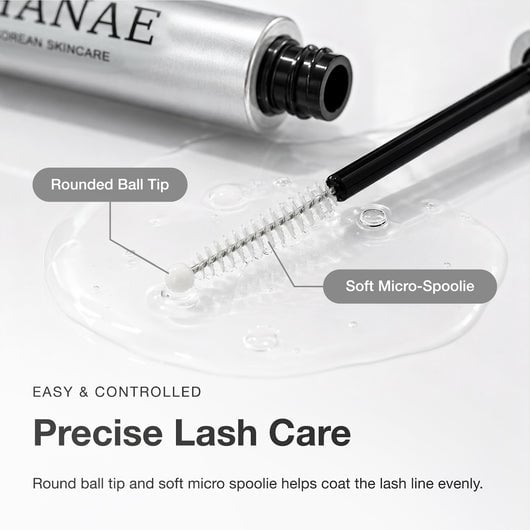
Overview
Hanae promises noticeably fuller lashes within two weeks
Hanae Korea sells its eyelash serum for $34.95 and calls it the leading eyelash serum in Korea. The page promises visible results within two weeks.
The formula is described through a seven-peptide complex, biotin, panthenol, hyaluronic acid, and plant extracts. It is also promoted as prostaglandin-free.
Those claims address common shopper concerns, including slow growth, dryness, irritation, and the potential side effects associated with some lash-enhancing ingredients.
The strongest proof on the page comes from the seller itself
The storefront displays a 4.7 rating linked to 9,425 reviews. It also says more than 50,000 customers love the product.
Elsewhere, the page says the serum sold out 11 times during the previous year and has a refund rate below 1%.
These are impressive numbers, but the page does not provide enough independent documentation to verify how they were collected, filtered, or calculated.
The return promise conflicts with the written policy
The product page advertises a 90-day money-back guarantee and describes the trial as risk-free. That language sounds broad and uncomplicated.
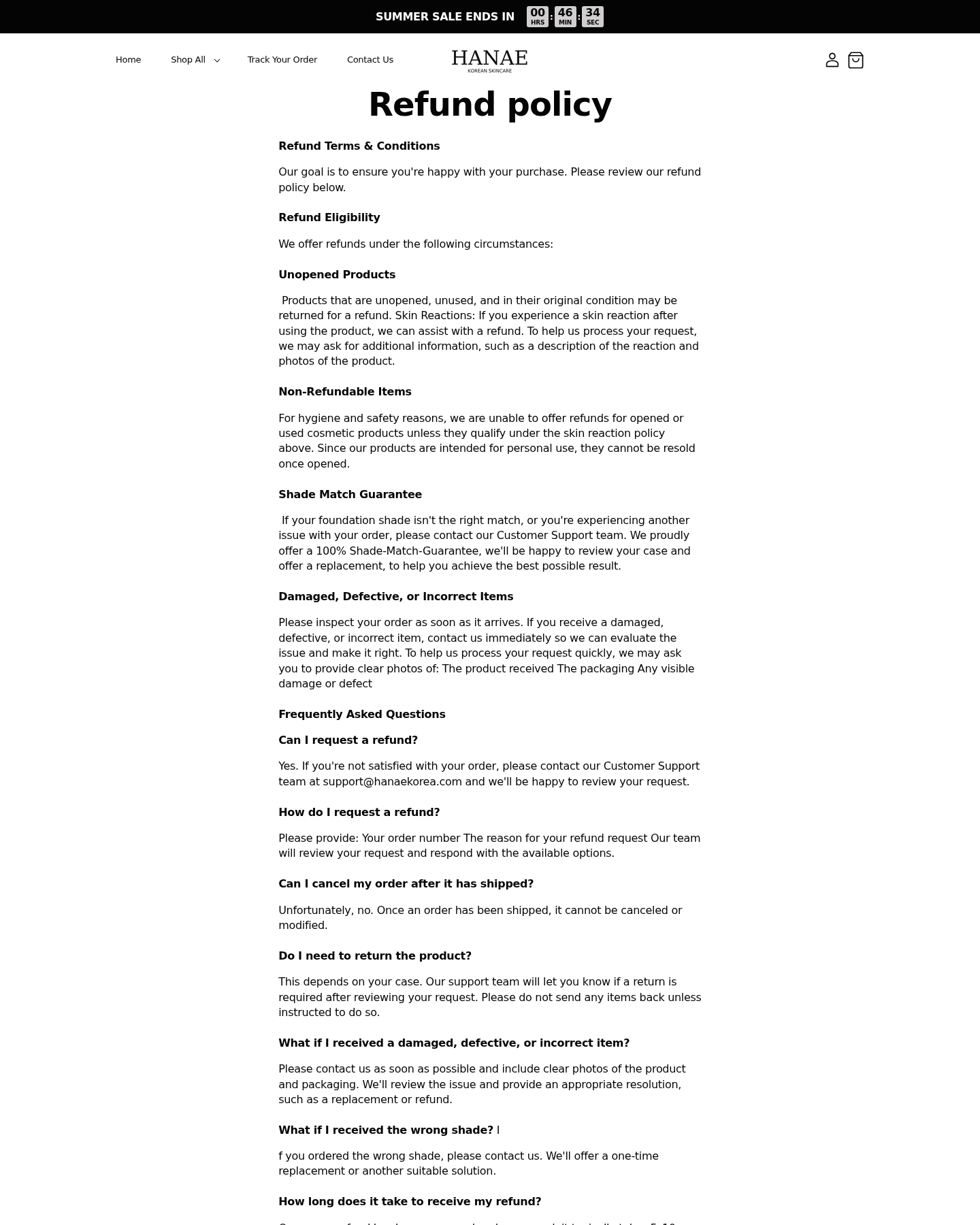
The refund policy says opened or used cosmetics are generally not refundable unless the customer experienced a documented skin reaction.
- The sales page suggests customers can try the serum for 90 days.
- The policy restricts refunds for opened or used cosmetics.
- The visible product page names ingredient groups, not a complete readable INCI list.
- The terms contain unfinished template instructions and placeholder links.
- No clear headquarters address or customer-service telephone number was found.
- Eye-area products deserve complete ingredient and safety information before use.
That contradiction is central to this Hanae Eyelash Serum investigation. A guarantee is valuable only when the legal policy supports the promise shoppers actually see.
What the Serum Claims to Do
The Hanae pitch is built around speed and simplicity. Apply a thin line near the upper lashes, continue daily, and wait for a fuller-looking fringe.
The page says the serum supports longer, thicker, and stronger lashes. It also presents moisture and conditioning ingredients as protection against brittleness.
Peptide language gives the offer a clinical tone. Peptides are short amino-acid chains, but the category alone does not establish a growth effect.
Different peptides have different functions and evidence. Their usefulness depends on identity, concentration, stability, delivery, and the outcome being measured.
Biotin is another familiar beauty ingredient. Biotin deficiency can affect hair, but deficiency is uncommon, and topical biotin marketing often exceeds available evidence.
Panthenol and hyaluronic acid can support conditioning and hydration. Better-conditioned lashes may break less, which can improve appearance without accelerating biological growth.
That distinction matters. A lash may look healthier because it retains moisture, remains intact longer, or receives a glossy coating.
None of those effects automatically proves that dormant follicles were activated or that growth speed changed within fourteen days.
Can Eyelashes Really Change in Two Weeks?
Eyelashes follow a growth cycle that includes active growth, transition, and rest. Individual lashes are at different stages at the same time.
A dramatic biological change across the lash line within two weeks would require persuasive controlled evidence. Before-and-after photographs cannot establish that by themselves.
Photography can amplify small differences through mascara residue, curling, angle, lighting, focus, camera distance, or the direction in which lashes are brushed.
Even honest photographs can mislead when baseline conditions differ. A valid comparison should use the same camera, lighting, positioning, cosmetics, and time of day.
The Hanae page does not provide a published trial of the finished serum with a clear method, participant count, control group, and independently measured results.
That absence does not prove the serum cannot condition lashes. It means shoppers should separate plausible cosmetic care from a guaranteed growth transformation.
A reasonable expectation would be gradual appearance changes, if any, observed over multiple lash cycles. Immediate length usually reflects styling or measurement differences.
People with sudden lash loss should not simply cover the issue with another cosmetic. Skin conditions, irritation, medications, hormones, or pulling behaviors may need attention.
The Guarantee Problem Explained
The product page creates a low-risk impression
A 90-day guarantee invites customers to test the serum through a meaningful period. “Money back” naturally suggests dissatisfaction can be enough.
The surrounding language reinforces that interpretation by describing the offer as risk-free. A shopper may reasonably expect to open and apply the product.
An eyelash serum cannot be evaluated while sealed. Therefore, an exclusion for used cosmetics changes the practical value of the promise.
The formal policy narrows who may qualify
The written refund policy says opened or used cosmetic products are not eligible unless there was a skin reaction.
That means a customer who sees no improvement may face a different standard from someone reporting irritation. The sales page does not highlight this distinction.
Guarantee conditions should be visible before checkout, not discovered after a disappointing trial. Material exclusions belong beside the promotional promise.
Documenting the offer protects the buyer
Before purchasing, capture the product page, guarantee, refund policy, selected quantity, and final total. Save the date and complete address bar.
If support later applies a different rule, those records show what influenced the transaction. They also help a card issuer evaluate misrepresentation claims.
Do not return cosmetics without written instructions. Unapproved packages can be rejected, lost, or sent to a warehouse unable to process refunds.
How the Hanae Eyelash Serum Sales Funnel Works
Step 1: A dramatic lash comparison captures attention
The advertisement begins with the outcome shoppers want to see. Sparse lashes appear denser, longer, darker, and more evenly arranged.
Close framing removes context that might expose mascara, extensions, curling, changed lighting, or different camera distance.
The transformation feels immediate, even though the stated routine requires continued use. Emotion arrives before the viewer considers how the photographs were made.
Step 2: Korean-beauty positioning suggests specialized innovation
The brand name and page styling lean into Korea’s reputation for advanced skincare. That association can transfer authority to a product without independent testing.
A product may genuinely be Korean, formulated elsewhere, packaged elsewhere, or simply marketed with Korean cues. The seller should state origin clearly.
Country-based branding is not evidence of safety or performance. Manufacturing records, complete labeling, and traceable responsibility matter more than aesthetic identity.
Step 3: Ingredient categories make the promise sound scientific
The seven-peptide complex becomes the technical center of the pitch. Biotin, panthenol, hyaluronic acid, and plant extracts make the formula sound comprehensive.
Yet consumers need the complete ingredient list to screen allergens, preservatives, solvents, fragrances, and substances unsuitable for their eyes.
Without exact peptide names and concentrations, the phrase “seven-peptide complex” cannot be compared meaningfully with published research.
Step 4: Large review numbers replace independent validation
A 4.7 average across 9,425 displayed reviews creates powerful social proof. The shopper feels thousands of other people have already performed the test.
On-site reviews may be genuine, imported, incentivized, selected, or moderated. The page should explain verification and show balanced feedback.
Claims involving 50,000 customers and a refund rate below 1% also need context. A bare number cannot reveal the calculation period or denominator.
Step 5: Scarcity encourages a decision before policy review
Sold-out claims and limited-sale pricing make delay feel costly. Shoppers may move directly from testimonial to checkout without opening the policy links.
This is precisely when the refund conflict remains hidden. The upbeat guarantee appears in the selling flow, while restrictions sit in a separate legal page.
Scarcity should never determine whether an eye-area product is appropriate. Ingredients, seller identity, and return terms deserve more attention than inventory theater.
Step 6: The buyer begins a slow test with fast expectations
Once the tube arrives, the two-week promise becomes a mental deadline. The user may inspect lashes daily and interpret normal variation as progress.
Some customers may apply more product or move closer to the lash line, hoping to accelerate results. That can increase irritation risk.
A cosmetic should be used only as directed. More frequent application does not prove more effective and can expose sensitive tissue repeatedly.
Step 7: Dissatisfaction encounters a narrower refund rule
A customer who opened the product because the page encouraged a trial may learn that ordinary dissatisfaction does not qualify under the policy.
Support delays, shipping questions, and documentation requests can consume the remaining return window. An international return can cost a substantial portion of the purchase.
The funnel’s risk therefore extends beyond serum performance. It includes whether the written rules honor the confidence created before payment.
Company, Address, and Fulfillment Checks
The terms look unfinished
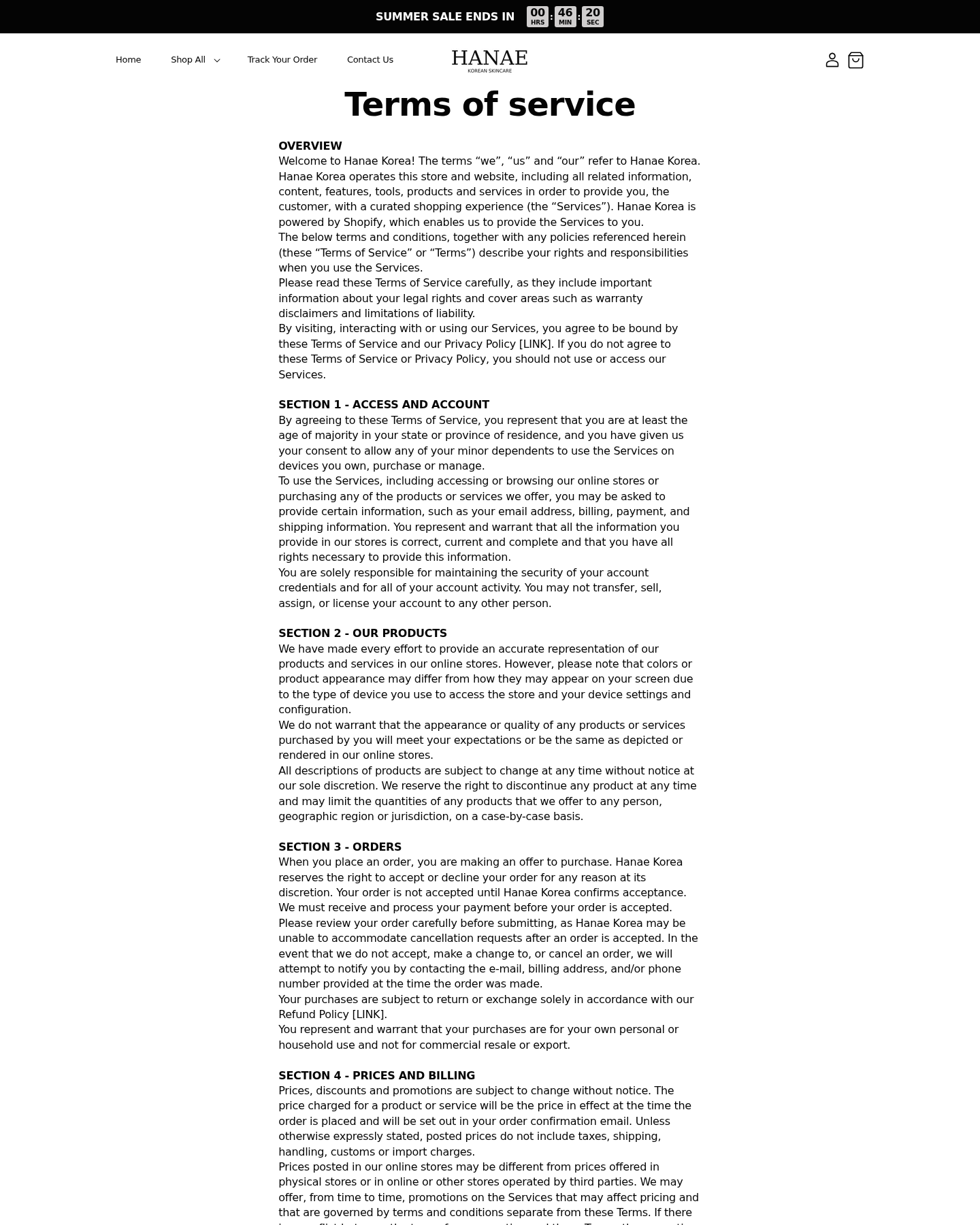
The terms include a bracketed link placeholder and a note instructing the merchant not to remove a section.
Those remnants commonly come from an ecommerce template. Their presence suggests the legal page was published without a careful final review.
A template error does not prove fraud. It does reduce confidence that promises, responsibilities, and dispute procedures were tailored to this business.
The operating company is difficult to locate
The visible policies do not clearly state a street address for headquarters. The terms refer generally to the jurisdiction where Hanae Korea is headquartered.
That circular wording leaves shoppers unable to identify the governing location from the document itself. It also complicates formal notices and regulatory complaints.
A serious cosmetics merchant should name the legal entity, business address, and responsible distributor without requiring customers to investigate across unrelated pages.
Support appears limited to email
No dependable customer-service telephone number was visible in the reviewed policies. Email can work, but it offers little reassurance before a time-sensitive return.
Test support before ordering with a specific question about opened-product eligibility. A useful reply should answer directly, identify the agent, and preserve the written commitment.
Silence, generic replies, or contradictory answers are reasons to leave. Beauty products are easily replaced by sellers with clearer accountability.
A returns address may only be a fulfillment point
Warehouses receive parcels for many brands. Their staff may scan inventory without deciding whether a customer qualifies for reimbursement.
Never assume the sender address on the package is the authorized return destination. Request instructions tied to the exact order number.
Use tracking and retain photographs. If the seller claims nonreceipt, delivery evidence can become essential during a payment dispute.
Eye-Area Safety Matters More Than Marketing
The eyelid margin is sensitive, and a small amount of serum can migrate into the eye through blinking, tears, sweat, or careless application.
Possible problems include burning, redness, swelling, itching, watering, dryness, blurred vision, or skin discoloration. Individual reactions vary by ingredient and exposure.
Do not apply serum to broken, inflamed, infected, or recently treated skin. Avoid sharing the applicator, because contamination can spread bacteria.
Replace products that smell unusual, change texture, or develop visible contamination. Keep the cap closed and follow the manufacturer’s storage instructions.
Contact-lens users should follow professional guidance and prevent direct contact. Anyone with chronic eye disease should ask an eye-care professional before experimenting.
Stop immediately after persistent irritation. Rinse as directed and seek care for pain, vision changes, pronounced swelling, or signs of infection.
Take photographs of any reaction and preserve the packaging. Record the lot number, application date, symptoms, and medical advice.
Report serious cosmetic reactions to the appropriate health authority. Accurate reporting helps identify contaminated, mislabeled, or unexpectedly irritating batches.
What to Do if You Have Fallen Victim to This Scam
- Stop using the serum after a concerning reaction. Keep it away from the eye, follow appropriate rinsing guidance, and seek urgent medical care for pain, swelling, breathing trouble, or vision changes.
- Preserve the advertising and packaging. Save the two-week claim, guarantee, refund policy, receipt, shipping label, ingredient panel, batch details, and every message exchanged with support.
- Request a refund in writing. Quote the guarantee visible when you ordered. Ask whether opened products qualify and obtain authorization before sending anything back.
- Track every deadline. Note the order, delivery, complaint, and response dates. Do not allow slow replies to quietly consume the stated 90-day period.
- Challenge a materially misrepresented transaction. If the merchant refuses terms shown at purchase, contact your card issuer promptly and provide complete, truthful documentation.
- Watch for unexpected future charges. Review statements for the merchant descriptor and any recurring amount. Ask the issuer to stop billing you did not authorize.
- Secure the device used for checkout. If redirects caused downloads or suspicious pop-ups, scan with Malwarebytes. AdGuard can reduce malicious advertising and deceptive redirects.
- Report the problem. Notify the FTC, your state consumer-protection office, the advertising platform, and the relevant cosmetic-safety authority when health effects are involved.
Frequently Asked Questions
Is Hanae Eyelash Serum a confirmed scam?
We cannot label every order fraudulent. The conflicting guarantee language, unfinished terms, limited company details, and unverifiable marketing numbers create legitimate reasons for caution.
Does Hanae really grow lashes in two weeks?
The page makes that promise, but we found no published controlled trial of the finished serum establishing a typical visible growth result within fourteen days.
Is the serum prostaglandin-free?
The seller describes it that way. Consumers should verify the complete ingredient list on the delivered package rather than relying only on summary marketing.
Can I return an opened tube?
The product page suggests a broad 90-day trial, while the refund policy restricts opened cosmetics unless a skin reaction occurred. Ask for written clarification first.
Are the 9,425 reviews independently verified?
The storefront displays that count, but the visible sales material does not provide enough methodology to establish independent purchase verification or an unfiltered review average.
What should I do if the serum irritates my eyes?
Stop applying it, prevent further exposure, and obtain medical advice when symptoms persist. Seek urgent care for pain, major swelling, breathing difficulty, or vision changes.
The Bottom Line
Hanae wraps an ambitious two-week lash promise in attractive Korean-beauty styling, scientific ingredient categories, huge review counts, and a reassuring guarantee.
The policy conflict and thin business details weaken that reassurance. Choose a transparent seller, verify the complete formula, and never gamble with eye health.








