

Cognidyne looks unusually polished for a supplement that appeared online almost overnight. Two near-identical websites now present it as a simple memory and focus formula.
The convincing design is only the beginning. Following each order button reveals a much stranger sales journey than either website prepares shoppers to expect.
Overview
What Cognidyne is supposed to be
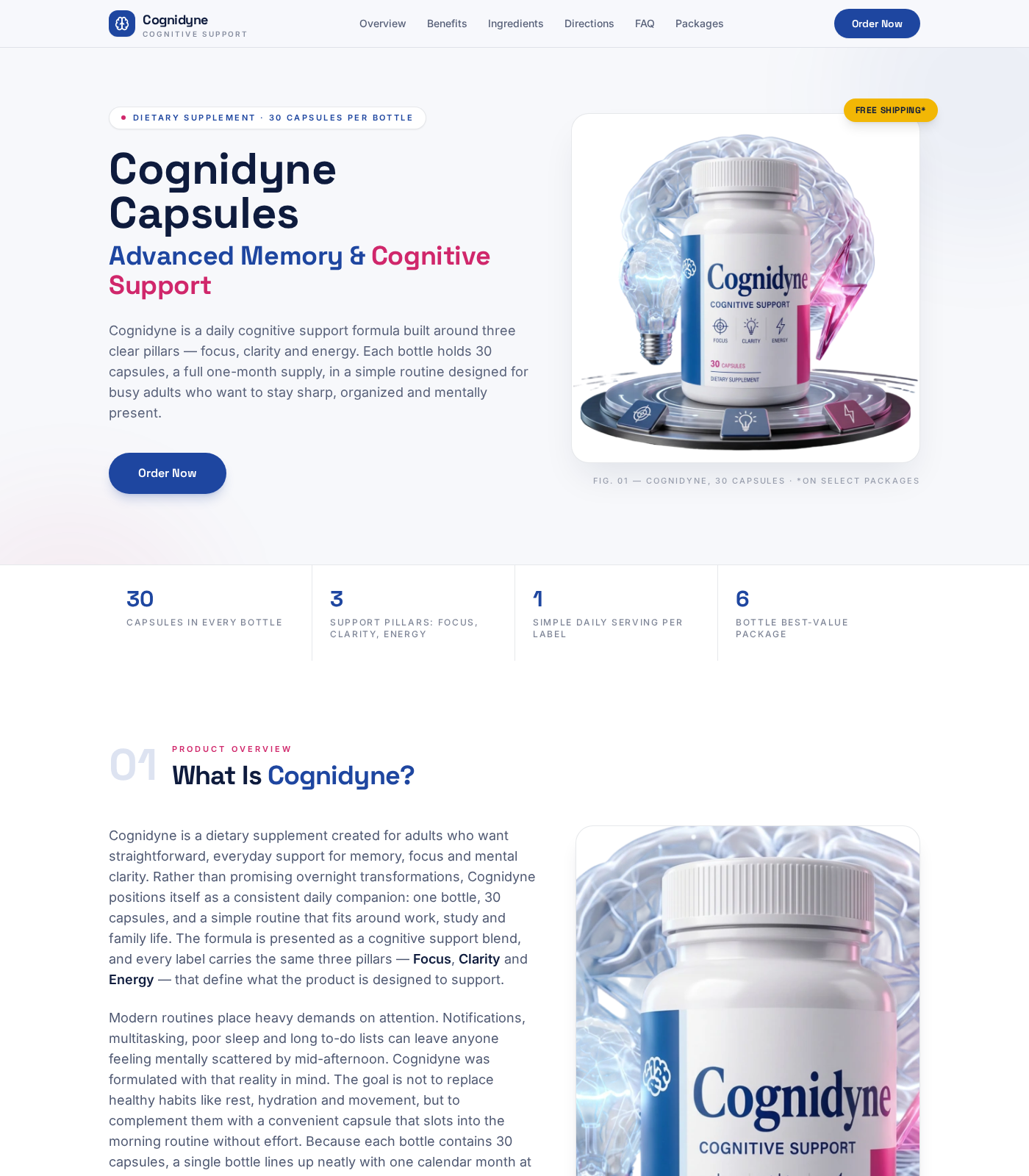
Cognidyne is presented as a 30-capsule dietary supplement for focus, clarity, energy, memory, and general cognitive support in daily life.
The packaging looks complete, but the websites do not provide a dependable Supplement Facts panel or identify the company manufacturing the advertised Cognidyne bottle.
Why the offer deserves serious caution
There are two Cognidyne domains, and both were registered on September 18, 2026, at precisely the same recorded second.
One page identifies itself as an independent affiliate site. The other resembles an official product page, although neither completes a purchase for Cognidyne.
The critical finding
The order buttons do not lead to the same product. One sends shoppers to MemoHoney, while the other switches them to CogniCare Pro.
- Cognidyne disappears before payment.
- The two domains promote different replacement products.
- The advertised bottle lacks a verifiable manufacturer identity.
- Both replacement offers push multi-bottle packages.
- BuyGoods appears as the checkout retailer, not the manufacturer.
These are not minor spelling differences. A shopper cannot reasonably research Cognidyne when the checkout quietly substitutes an entirely different brand.
The evidence does not prove that every replacement bottle is counterfeit or that no customer receives a shipment.
It does show that the Cognidyne promotion is materially misleading about the identity of the product shoppers are being invited to buy.
How the Cognidyne Scam Works
Step 1: A polished page invents a complete-looking brand
The first site introduces Cognidyne with a professionally rendered bottle, a brain graphic, clean navigation, package references, and confident wellness language.
Its presentation creates the impression that Cognidyne is an established product with a finished formula, supply chain, and customer service operation.
Yet the page remains vague where verification matters. It does not show a readable ingredient label tied to the bottle being advertised.
The second domain uses similar imagery and sales language. A disclosure at the top calls it an independent affiliate website, not the manufacturer.
Step 2: Familiar wellness goals replace product evidence
The copy focuses on ordinary concerns, including distraction, mental fatigue, memory lapses, and the desire to stay productive.
Those concerns are real, but they do not establish that an advertised supplement exists as described or produces the suggested benefits.
The sites repeatedly describe focus, clarity, and energy. They provide no finished-product clinical trial demonstrating those outcomes for Cognidyne.
Step 3: The ingredient question is postponed
A responsible supplement page should let shoppers inspect the exact formula before asking them to order.
Instead, the Cognidyne pages defer crucial details to an alleged official order page. That page never presents a Cognidyne checkout.
This delay matters because a bottle image is not a Supplement Facts panel. Attractive packaging cannot identify actual ingredients, amounts, warnings, or manufacturer.
Step 4: The order button passes through an affiliate redirect
Both sites send clicks through Rush My Offers links. The address includes affiliate tracking information that attributes a resulting purchase.
Affiliate links are not inherently fraudulent. The problem is what happens after this particular handoff.
The destination changes the product instead of taking the buyer to a transparent Cognidyne order summary.
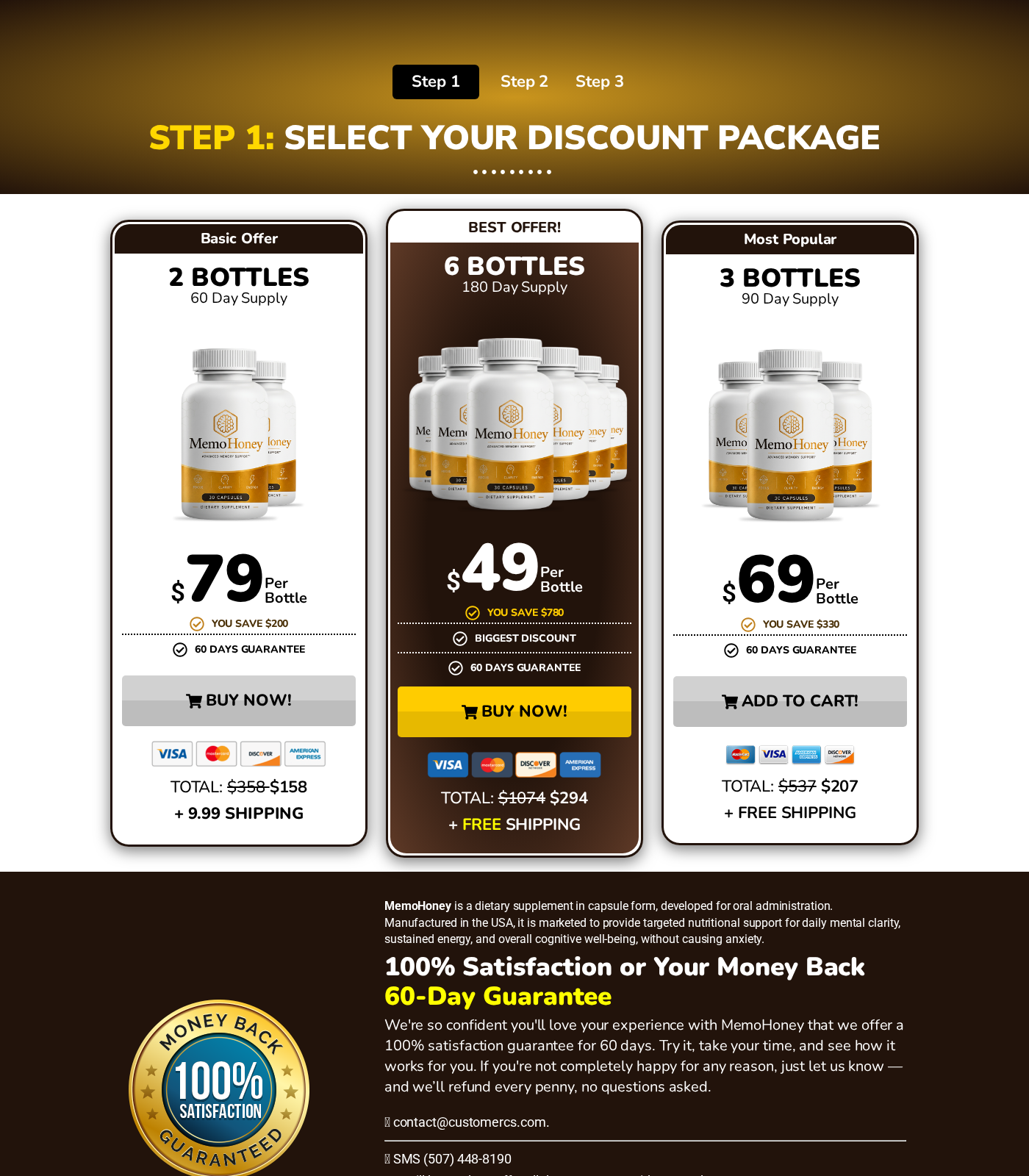
Step 5: One site replaces Cognidyne with MemoHoney
The button on getcognidyne.com opens a MemoHoney package page. Cognidyne is no longer the product displayed for purchase.
The replacement page offers two bottles for $158 plus shipping, three for $207, or six for $294.
A shopper who followed a Cognidyne promotion is suddenly choosing among MemoHoney bundles, without a clear explanation for the substitution.
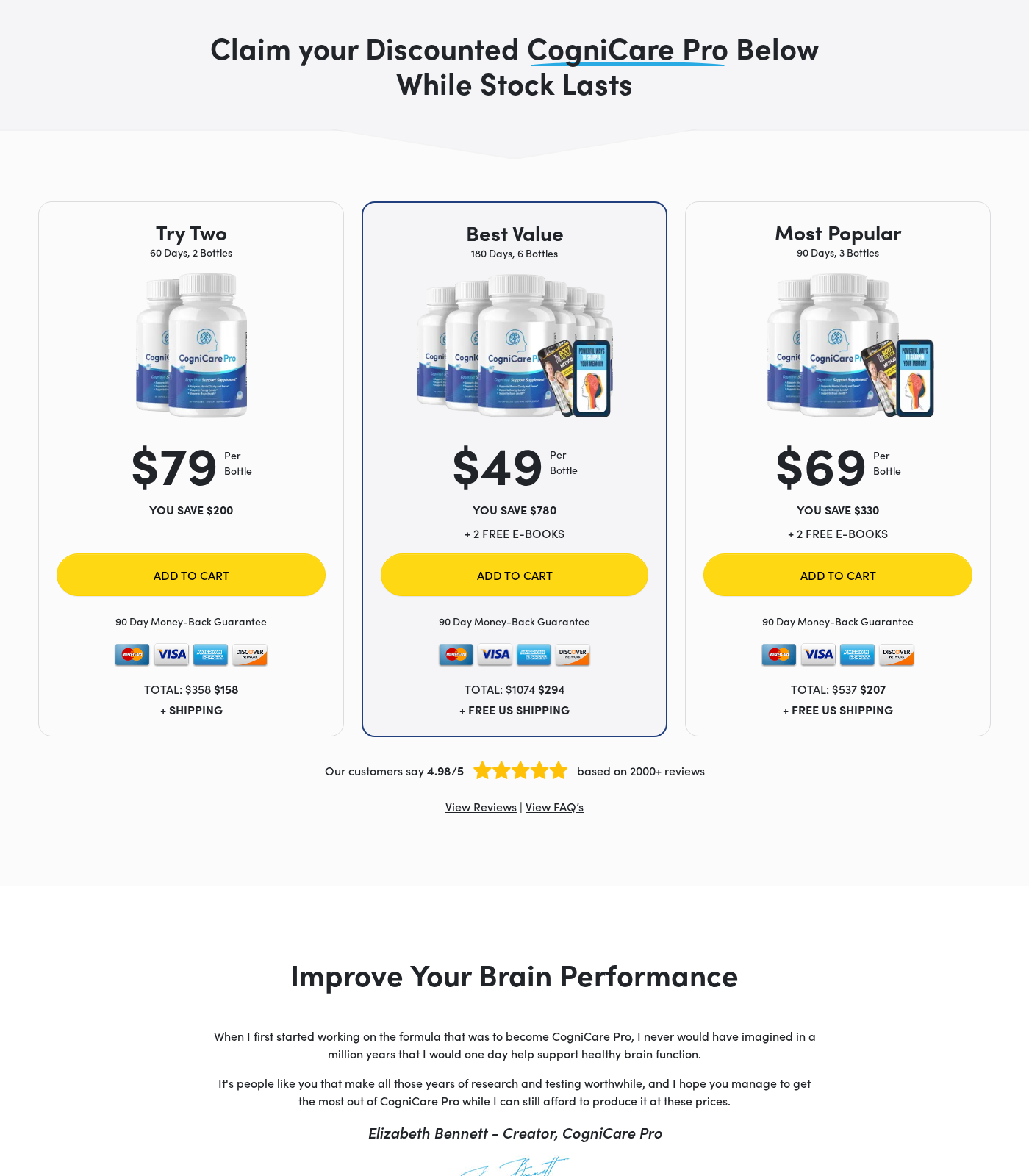
Step 6: The other site replaces it with CogniCare Pro
The order button on cognidynee.com leads to CogniCare Pro. This is a second product with different branding and a separate sales presentation.
Its bundle structure again starts with two bottles for $158, then promotes three for $207 and six for $294.
The repeated prices make the funnel feel consistent, but they do not resolve the central problem. The advertised Cognidyne bottle is absent.
Step 7: Large bundles increase the cost of a confused purchase
The sales pages visually emphasize the six-bottle option. That design encourages a larger commitment before the buyer has resolved the product identity problem.
There was no visible recurring billing term on the package screens reviewed. Therefore, this investigation does not claim a proven automatic subscription.
The verified risk is different and already serious: brand switching, unclear responsibility, and pressure toward expensive multi-bottle orders.
The Two Cognidyne Sites Contradict the Purchase Journey
Using multiple domains could be legitimate when a company serves different markets. Legitimate versions should still agree about the product being sold.
Here, the destinations are not regional Cognidyne checkouts. They are separate brands with separate bottles, names, claims, and product pages.
The simultaneous registration of the two Cognidyne domains strengthens the connection between them. It also shows how recently the promotional footprint appeared.
Domain age never proves fraud by itself. Combined with brand substitution, missing manufacturer details, and copied funnel design, it becomes a meaningful warning sign.
Are the Cognidyne Product Images AI Generated?
The Cognidyne bottle appears as a highly polished digital render placed against a stylized brain and lighting platform.
That appearance is consistent with synthetic or heavily composited product artwork, but visual inspection cannot establish the precise tool used.
More importantly, the image does not show a readable lot number, distributor line, barcode, or complete Supplement Facts panel.
A mockup can illustrate a genuine future product. It cannot prove that the pictured bottle was manufactured, tested, stocked, or shipped to customers.
Why the Cognitive Claims Do Not Solve the Identity Problem
Supplement advertising often borrows credibility from familiar ingredients, scientific vocabulary, and everyday experiences that many readers recognize immediately.
None of those elements can substitute for identifying the finished product. Research about one ingredient does not authenticate a bottle with an unknown formula.
FTC guidance requires objective health claims to have competent and reliable scientific support. The evidence must fit the actual claim being made.
A study involving a specific extract cannot automatically support every capsule that mentions the same plant or nutrient.
Dosage, extract standardization, serving instructions, participant group, study duration, and the complete combination can all change what the evidence means.
Cognidyne provides no dependable formula to compare with research. Its pages instead move the reader toward products carrying unrelated names.
This makes broad discussions about memory ingredients a distraction. The first question is not whether a popular ingredient has been studied.
The first question is whether the shopper can identify the exact product, label, seller, and terms connected to the payment.
The FDA language can sound stronger than it is
Promoters frequently reference manufacturing in an FDA-registered facility. Registration does not mean the agency approved the supplement or confirmed its benefits.
FDA explains that dietary supplements generally are not approved for safety and effectiveness before reaching the public.
The company marketing a supplement is responsible for lawful labeling, safety obligations, and truthful claims. A registration badge does not transfer that responsibility.
In this case, the Cognidyne pages do not even maintain a consistent product identity long enough for that evaluation.
The checkout name should match the advertisement
A legitimate affiliate can send a shopper to another website. The destination should still clearly sell the product described in the advertisement.
Brand consistency matters because the receipt, return policy, card descriptor, support team, and delivered package may each use that identity.
When the name changes silently, buyers may struggle to explain a dispute or determine which guarantee applies.
They may also mistake reviews about Cognidyne for evidence about MemoHoney or CogniCare Pro, even though those are different offers.
A six-bottle discount magnifies uncertainty
The package pages frame six bottles as the best value. That comparison focuses attention on unit price rather than unresolved product questions.
A lower displayed price per bottle is not genuine value when a shopper cannot confirm the item they intended to purchase.
Large bundles also create practical return problems. More bottles mean a higher payment, larger shipment, and potentially greater return postage.
Guarantee headlines may omit deadlines, authorization requirements, opened-bottle rules, and shipping exclusions. Those conditions should be read before payment.
The safest response is simple. Do not let a savings calculation replace the basic work of confirming what the seller is actually offering.
Company, Address, and Fulfillment Checks
The seller identity changes before checkout
Neither Cognidyne page clearly names a legal company responsible for manufacturing and distributing the advertised Cognidyne bottle.
At checkout, the relevant brands become MemoHoney or CogniCare Pro. That prevents a clean match between advertisement, label, seller, and payment record.
The listed address belongs to the retailer role
BuyGoods identifies itself as the retailer and lists a Wilmington, Delaware address. Its disclaimer says retailing does not endorse promotional claims.
That address should not be described as Cognidyne headquarters or a manufacturing plant. The Cognidyne pages do not establish either location.
Support details do not repair the brand switch
The MemoHoney page displays an email and SMS number. CogniCare Pro provides its own support identity.
Those contacts may handle their named products, but they do not explain who stands behind Cognidyne or why two pages substitute different items.
The supply chain cannot be traced from the Cognidyne pages
No reliable evidence reviewed here establishes where Cognidyne is manufactured, whether the pictured bottle exists, or who verifies its contents.
It would be inaccurate to declare the product Chinese-made without proof. The correct conclusion is that its claimed supply chain remains unverified.
FDA facility registration language also does not mean a supplement is FDA approved. Dietary supplements generally receive no premarket approval for effectiveness.
What to Do if You Have Fallen Victim to This Scam
- Identify what you actually ordered. Compare the advertisement, checkout page, receipt, card descriptor, shipping email, and bottle. Record every product name and domain.
- Save the evidence immediately. Keep screenshots, order confirmations, policy pages, package photographs, tracking details, and correspondence. Promotional pages can change quickly.
- Contact the merchant in writing. State that the checkout substituted a different brand if applicable. Request cancellation or a refund and ask for written return instructions.
- Call your card issuer. Explain the brand mismatch and any unauthorized quantity. Ask about dispute deadlines and whether future merchant charges can be blocked.
- Watch for recurring transactions. No subscription was visible during this review, but monitoring remains sensible after any unclear supplement purchase.
- Do not consume an unidentified product. If the delivered label differs from the offer, consult a pharmacist or clinician before using it.
- Report deceptive advertising. US consumers can report misleading sales practices to the FTC and product problems through FDA reporting channels.
- Check your device if you installed anything. Run a Malwarebytes scan after downloading unknown files. AdGuard can reduce repeat exposure to malicious advertising and trackers.
How to Avoid Similar Memory Supplement Funnels
Pause before clicking an order button. The product name on the landing page should match the name displayed at checkout.
Look for a readable Supplement Facts panel, responsible company, physical return address, customer service details, and terms available before payment.
Search the domain registration date. A new domain is not automatically dishonest, but it deserves additional scrutiny when large bundles are promoted.
Ignore countdowns and inventory pressure while investigating. A legitimate seller should allow enough time to understand the exact item and total charge.
Finally, remember that an FDA-registered facility is not an FDA-approved supplement. Those phrases describe very different regulatory facts.
Frequently Asked Questions
Is Cognidyne a real supplement?
The websites display a Cognidyne bottle, but this investigation could not verify a manufacturer, finished formula, or checkout selling that pictured product.
What happens when I click Order Now?
One Cognidyne site redirects to MemoHoney. The second redirects to CogniCare Pro. Neither observed route completes a purchase for Cognidyne.
Are MemoHoney and CogniCare Pro the same product?
No. They use different brand names, bottle designs, pages, product descriptions, and support details, despite similar bundle pricing.
Does Cognidyne enroll buyers in a subscription?
No recurring billing term was visible on the reviewed package pages. This report therefore does not claim a verified subscription.
Is the BuyGoods address the Cognidyne company address?
No evidence supports that conclusion. BuyGoods identifies itself as the retailer, while the Cognidyne manufacturer and distributor remain unclear.
Should I trust the customer and performance claims?
Treat them as advertising unless independent evidence supports the exact finished product. Ingredient research cannot automatically validate an unidentified Cognidyne formula.
The Bottom Line
Cognidyne is promoted as one product, but its two newly registered websites lead shoppers to two different brands before payment.
That unexplained switch makes the promotion unreliable. Avoid ordering until a verifiable company can provide the real Cognidyne label, seller identity, and matching checkout.
If you paid, use the product named on your receipt when contacting the retailer, but document that your journey began with a Cognidyne advertisement and ended on another brand.








