

Imagine receiving a message from Amazon telling you that a product you bought is unsafe and must be recalled immediately. The warning looks urgent, the tone serious, and the message includes a link for you to check your order details and get a refund. Most people would click right away, fearing for their safety or that of their family. But here’s the catch: this message isn’t from Amazon at all. It’s a carefully crafted scam designed to trick you into giving away your personal and financial information. This article dives deep into the Amazon Safety Recall Scam, explaining how it works, what to do if you fall victim, and most importantly, how to protect yourself from being deceived.
Scam Overview
The Amazon Safety Recall Scam is one of the latest attempts by cybercriminals to exploit trust in a global brand. By posing as Amazon, scammers trick unsuspecting consumers into believing that a recently purchased product is defective or dangerous. The fraudulent message typically takes the form of a text message (SMS), although some victims have reported receiving similar alerts via email.
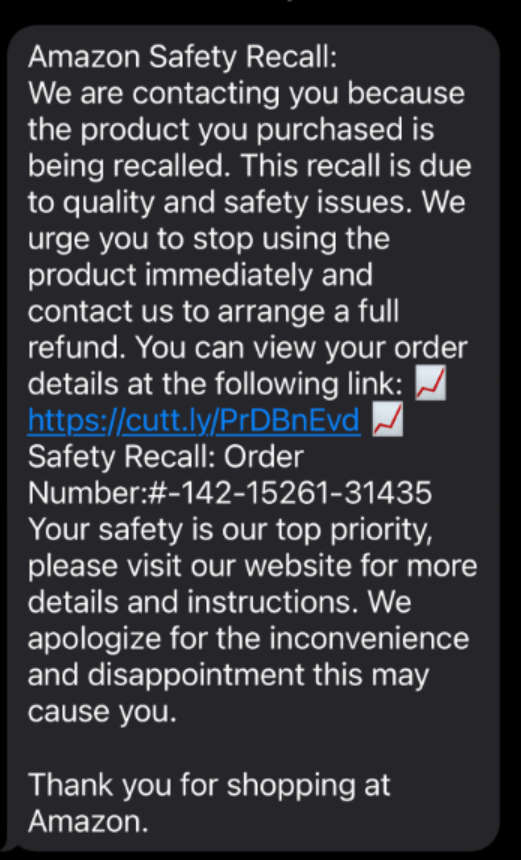
The scam message looks something like this:
“Amazon Safety Recall: We are contacting you because the product you purchased is being recalled. This recall is due to quality and safety issues. We urge you to stop using the product immediately and contact us to arrange a full refund. You can view your order details at the following link:
Safety Recall: Order Number:#-142-15261-31435 Your safety is our top priority, please visit our website for more details and instructions. We apologize for the inconvenience and disappointment this may cause you.
Thank you for shopping at Amazon”
At first glance, the message appears legitimate. It uses Amazon’s name, references safety concerns, and even includes what looks like a real order number. To the untrained eye, it feels authentic, which is exactly why so many people fall for it.
Why this scam works so well
- Exploiting fear and urgency: The scam plays on a person’s fear that a product in their home may be unsafe. By insisting the item poses a danger, scammers create a sense of urgency, pressuring the victim to act fast without thinking critically.
- Brand recognition: Amazon is one of the most trusted e-commerce platforms worldwide. Fraudsters leverage this trust, knowing that almost everyone has ordered from Amazon at some point.
- Vagueness: The scam is intentionally vague about what product is being recalled. By avoiding details, scammers cast a wide net. Recipients might think, “Well, I did order something recently… maybe this is about that.”
- Professional tone: The message uses formal language and mimics the tone Amazon often uses in official communications, making it feel genuine.
The fake link
The link included in these messages is rarely straightforward. Scammers use URL shorteners like cutt.ly or disguised domains that look like “Amazon” but contain extra characters, such as amazonzbzc[.]co. When clicked, the link takes victims to a phishing site that looks nearly identical to Amazon’s official website. Here, users are prompted to enter their login details, credit card information, or other personal data. Once entered, this information is captured by the attackers.
The broader implications
Falling for this scam doesn’t just put your Amazon account at risk. Once scammers have access to your personal information, they can:
- Steal money directly from your bank account.
- Commit identity theft by opening credit cards or loans in your name.
- Sell your information on dark web marketplaces for further exploitation.
- Take over your Amazon account and make unauthorized purchases.
Given the sophistication of this scam, it’s important to understand exactly how it unfolds. That’s where we turn next.
How the Scam Works
Understanding the mechanics of the Amazon Safety Recall Scam is the key to avoiding it. Here’s a detailed breakdown of how the scam typically plays out:
Step 1: Initial Contact
Victims usually receive a text message claiming to be from Amazon. The message looks professional, contains an order number, and includes urgent wording about safety recalls. Some versions also appear as emails. In every case, the sender is not Amazon, though the number or email address might be spoofed to look convincing.
Step 2: Triggering Fear and Urgency
The scam message insists that the purchased product is unsafe, urging immediate action. Phrases like “stop using the product immediately” or “your safety is our top priority” are meant to scare recipients. Fear overrides rational thinking, making people more likely to click the link without questioning it.
Step 3: The Link
The message includes a shortened or disguised URL. Instead of sending you to Amazon, the link redirects to a phishing site designed to look almost identical to Amazon’s real website. The fake site may include the Amazon logo, similar fonts, and familiar layouts, further lowering suspicion.
Step 4: Harvesting Information
Once on the fake site, victims are asked to log in with their Amazon credentials. Some sites also request credit card information under the guise of processing a refund. By entering this data, victims unknowingly hand over sensitive details to the scammers.
Step 5: Exploitation of Data
After obtaining personal details, scammers act quickly:
- They may log in to your real Amazon account, change passwords, and lock you out.
- If payment details are provided, they can attempt unauthorized purchases or sell your card details.
- In some cases, they use the information for broader identity theft schemes.
Step 6: Expansion of the Scam
Victims who fall for the scam are often added to “high-risk” lists. Scammers may target them again with new schemes, such as fake delivery notifications, tech support scams, or tax fraud attempts.
This step-by-step breakdown reveals just how calculated this scam is. It’s not random—it’s designed to exploit psychology, trust, and familiarity all at once.
What To Do If You Have Fallen Victim
If you suspect you have already clicked a fraudulent link or given scammers your details, it is crucial to act quickly. Here are the steps you should take immediately:
- Change your Amazon password.
Log into Amazon from the official website (type the URL directly into your browser, do not use links from messages). Change your password and enable two-factor authentication. - Check your bank and credit card accounts.
Look for suspicious charges or withdrawals. Notify your bank or card issuer immediately if you spot anything unusual. - Report the scam to Amazon.
Forward the suspicious message to stop-spoofing@amazon.com. Amazon has a dedicated team that investigates phishing attempts. - Run a security scan on your device.
If you clicked the link, malware may have been installed on your phone or computer. Use trusted antivirus software to run a full scan. - Monitor your identity.
Use credit monitoring services or request a free credit report to ensure no unauthorized accounts have been opened in your name. - File a report with authorities.
In the United States, you can report scams to the Federal Trade Commission (FTC) at reportfraud.ftc.gov. In the UK, use Action Fraud. Other countries have similar consumer protection agencies. - Educate yourself and others.
Share your experience with friends and family to prevent them from falling into the same trap. Scammers thrive on secrecy and silence.
Is Your Device Infected? Run a Free Malware Scan
Slow performance, constant pop-ups, or strange behavior? These are classic signs of a malware infection. The fastest way to find out is to scan your device with Malwarebytes Free — one of the most trusted malware removal tools available.
The free version detects and removes the most common threats, including:
- Adware — the cause of those annoying pop-ups
- Browser hijackers — unwanted redirects and changed homepages
- Trojans and spyware — hidden programs stealing your data
- Potentially unwanted programs (PUPs) — software you never asked for
👉 Select your device below — Windows, Mac, or Android — then follow the simple steps to download Malwarebytes, scan your system, and remove any threats it finds. The scan usually takes 5 to 20 minutes.
Run a Malware Scan with Malwarebytes for Windows
Malwarebytes is one of the most popular and trusted anti-malware tools for Windows — and it’s completely free for removing infections. It catches threats that many antivirus programs miss, including adware, browser hijackers, and trojans. Follow the steps below to scan and clean your PC in just a few minutes.
Download Malwarebytes
Click the button below to download the latest version of Malwarebytes for Windows from the official source. The free version is all you need — it will scan your computer and remove adware, browser hijackers, and other malicious software at no cost.
Download MalwarebytesOfficial installer for Windows 11 and 10. Your download starts right away.Want real-time protection? See Malwarebytes Premium Malwarebytes Free for WindowsScans and removes malware at no cost
-
Install Malwarebytes
When the download finishes, open your Downloads folder and double-click the MBSetup file. If Windows shows a User Account Control pop-up, click “Yes” to allow the installation.
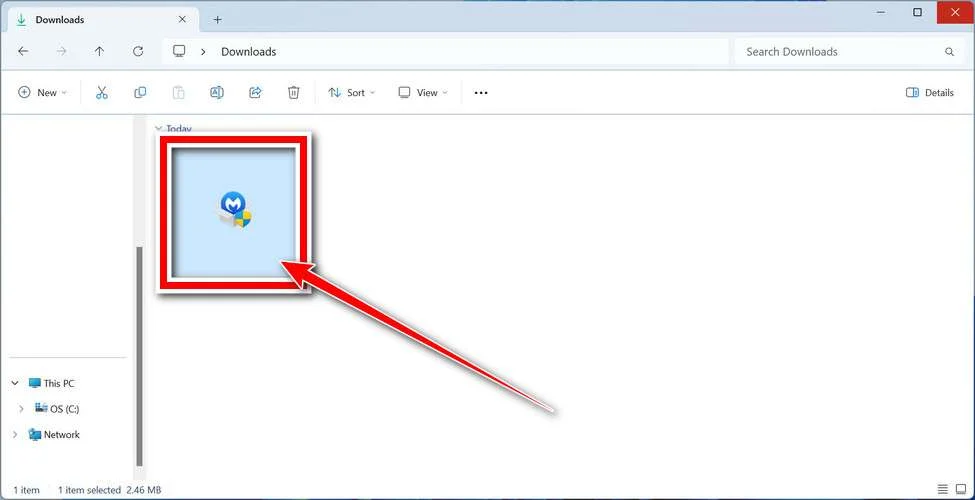
Follow the On-Screen Prompts to Install Malwarebytes
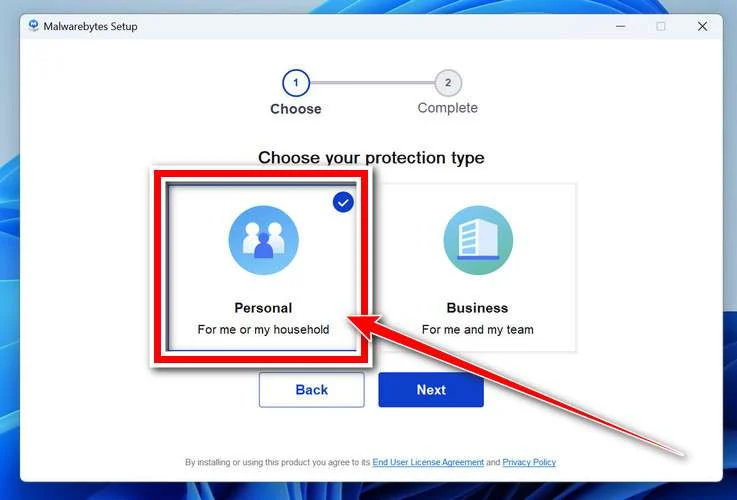
The setup wizard will walk you through a few quick screens:
-
Choose where you’re installing the program — “Personal Computer” or “Work Computer” — then click Next.
-
Malwarebytes will now install on your device. This usually takes under a minute.

-
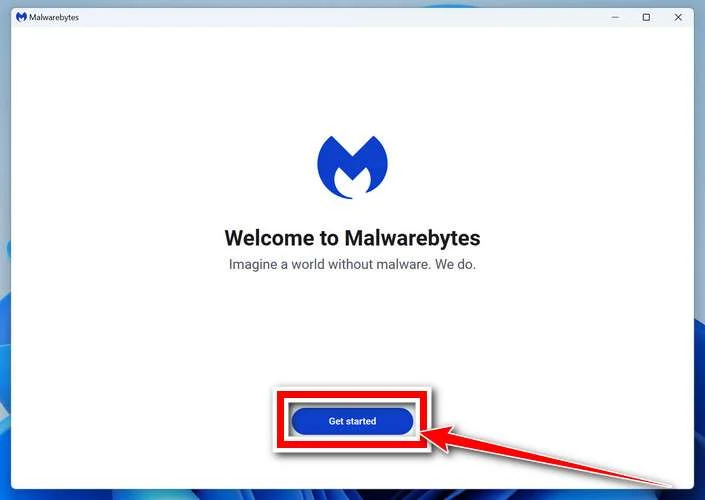
When installation is complete, the “Welcome to Malwarebytes” screen will open automatically.
-
On the final screen, click Open Malwarebytes to launch the program.

-
Enable “Scan for Rootkits”
Before scanning, turn on rootkit detection so Malwarebytes can find even the most hidden threats. Click the Settings gear icon on the left side of the screen.
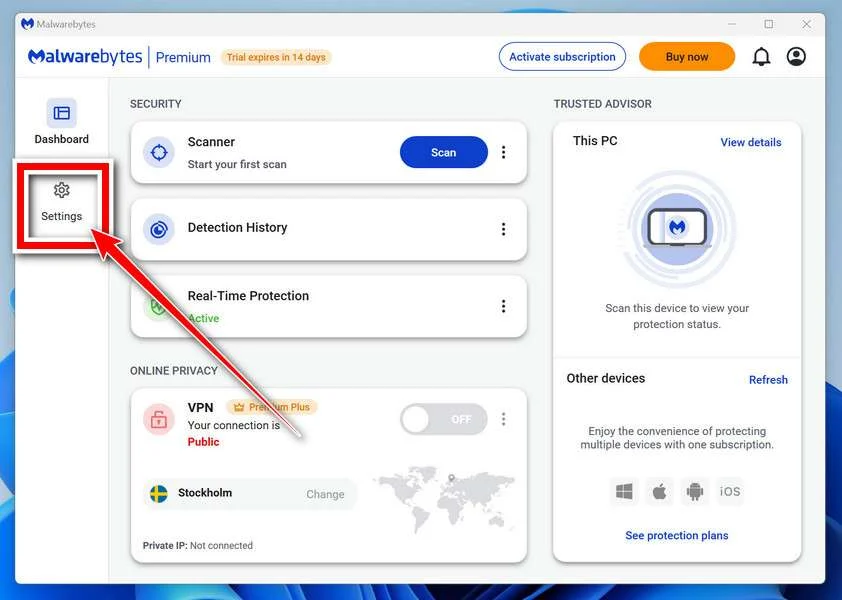
In the settings menu, find “Scan for rootkits” and click the toggle so it turns blue.

Done? Click “Dashboard” in the left pane to return to the main screen.
Start the Scan
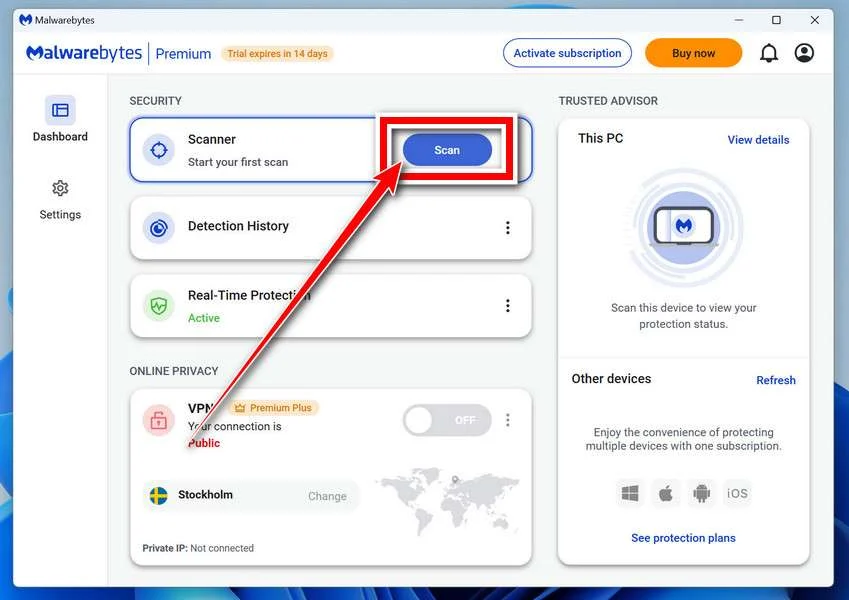
Click the blue Scan button. Malwarebytes will automatically update its virus database and start checking your computer for malware.
-
Wait for the Scan to Finish
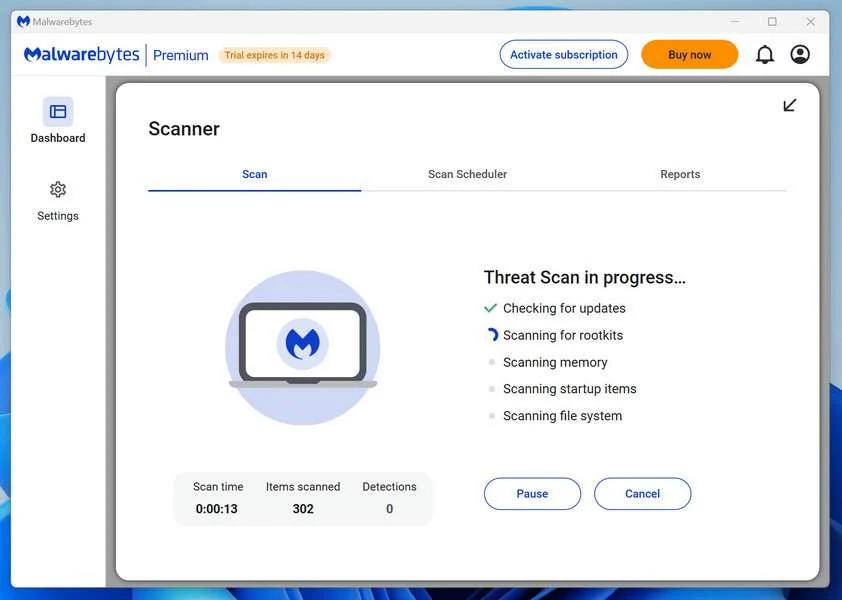
The scan checks your entire system for browser hijackers and other malicious programs, so it can take 5 to 20 minutes depending on your computer. Feel free to do something else — just check back occasionally to see the progress.
-
Quarantine the Detected Threats
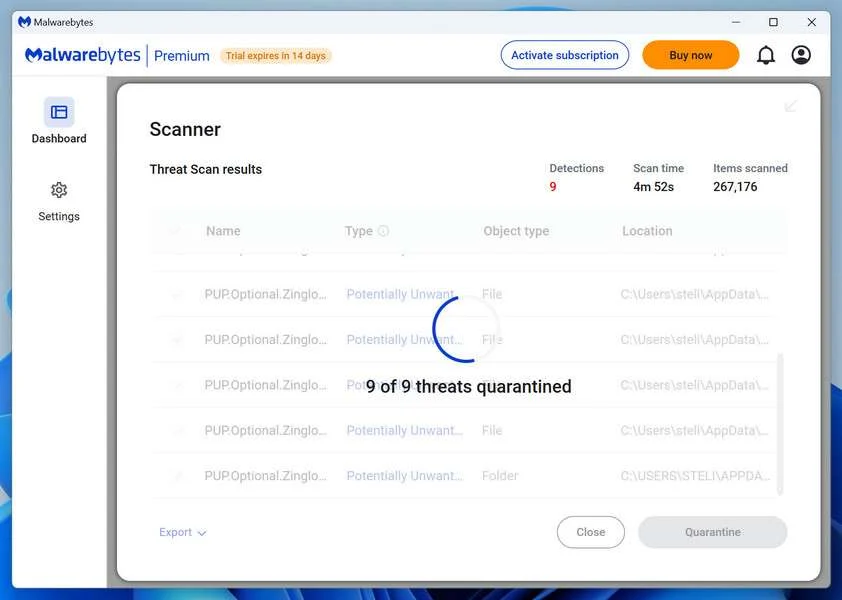
When the scan is done, you’ll see a list of everything Malwarebytes found — malware, adware, and potentially unwanted programs. Click the “Quarantine” button to remove all of them at once.
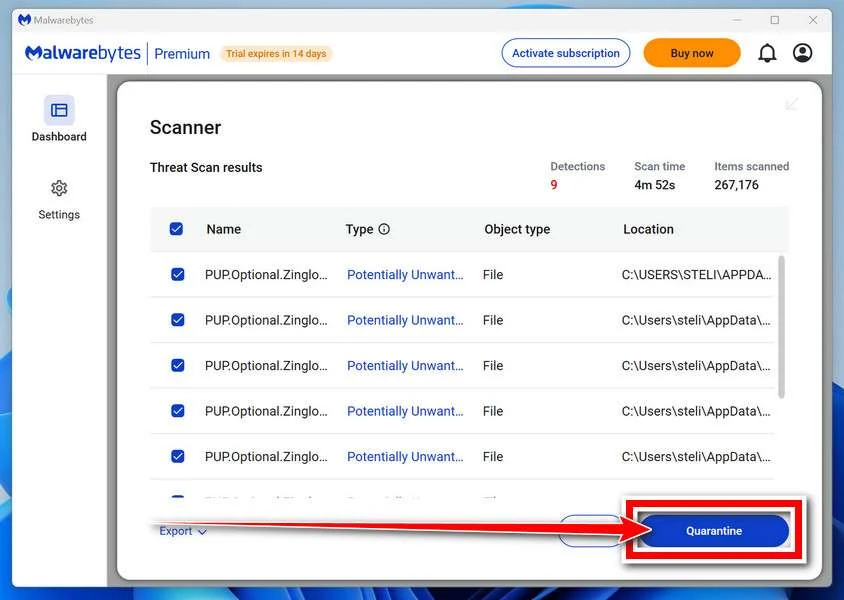
Malwarebytes will now remove the malicious files and registry entries and move them safely into quarantine.
-
Restart Your Computer
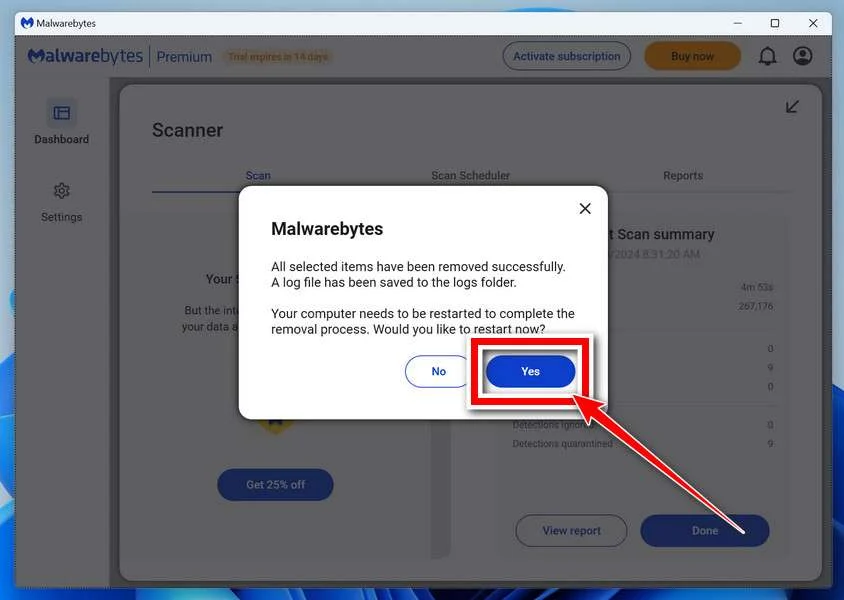
Some threats can only be fully removed after a reboot. If Malwarebytes asks you to restart, click Yes. Once you’re logged back in, Malwarebytes has finished removing the threats it found.
That’s it — your Windows PC is now clean of trojans, adware, and other malware, and should be back to running smoothly.
If you are still having problems with your computer after completing these instructions, then please follow one of the steps:
- Run a computer scan with ESET Online Scanner
- Ask for help in our Windows Malware Removal Help & Support forum.
Run a Malware Scan with Malwarebytes for Mac
Malwarebytes for Mac is a free on-demand scanner that removes the malware other security software tends to miss — adware, browser hijackers, and unwanted programs included. Cleaning an infected Mac with Malwarebytes has always been completely free, and it’s our go-to recommendation. Follow the steps below to scan and clean your Mac in just a few minutes.
-
Download Malwarebytes for Mac
Click the button below to download the latest version of Malwarebytes for Mac.
Download MalwarebytesOfficial installer for macOS. Your download starts right away.Want real-time protection? See Malwarebytes PremiumMalwarebytes Free for MacScans and removes malware at no cost -
Open the Malwarebytes setup file
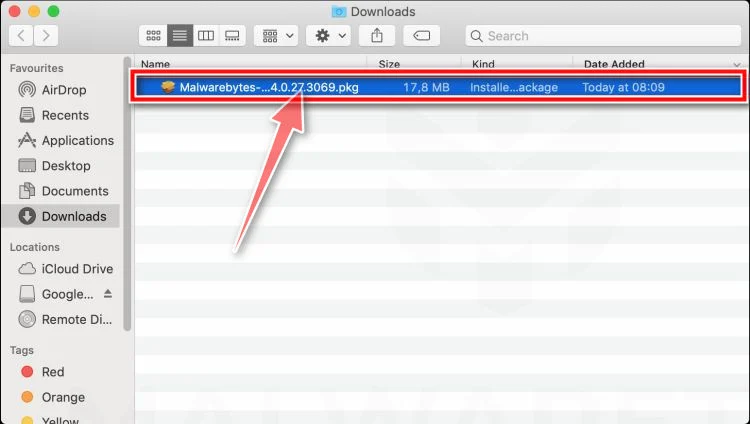
When the download finishes, open your Downloads folder and double-click the setup file to begin the installation.
-
Follow the On-Screen Prompts to Install Malwarebytes
The Malwarebytes for Mac Installer will guide you through a few quick screens. Click “Continue” and keep following the prompts until the installation completes.
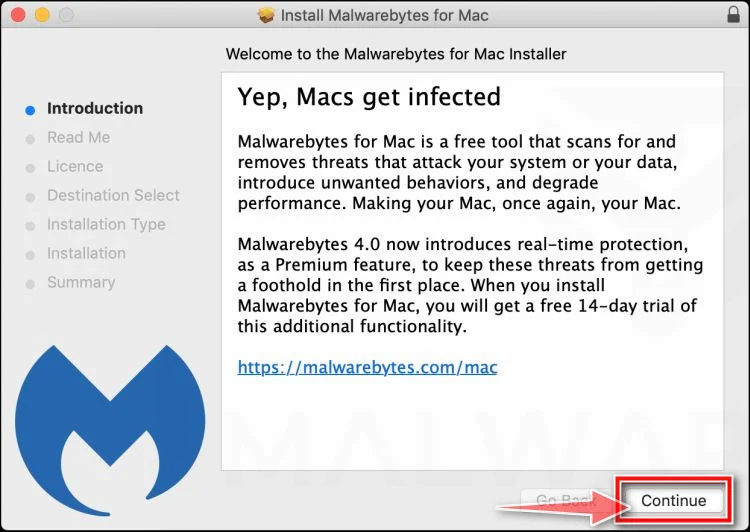
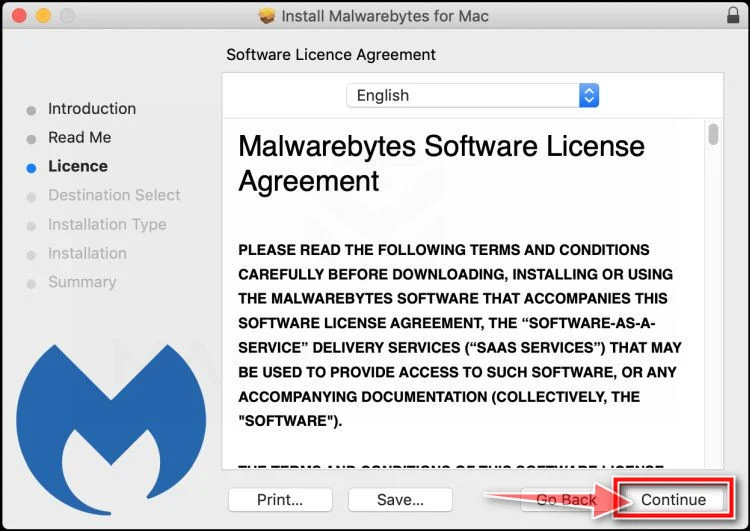
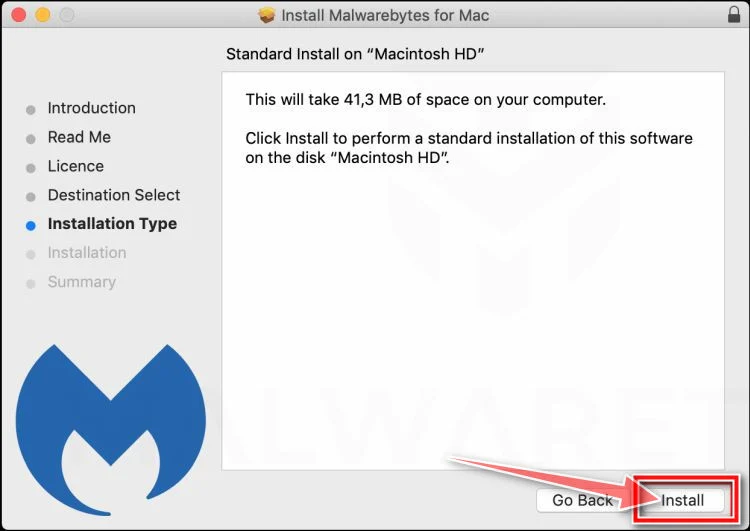
When the installation is complete, Malwarebytes opens to the Welcome to Malwarebytes screen. Click “Get started“.
-
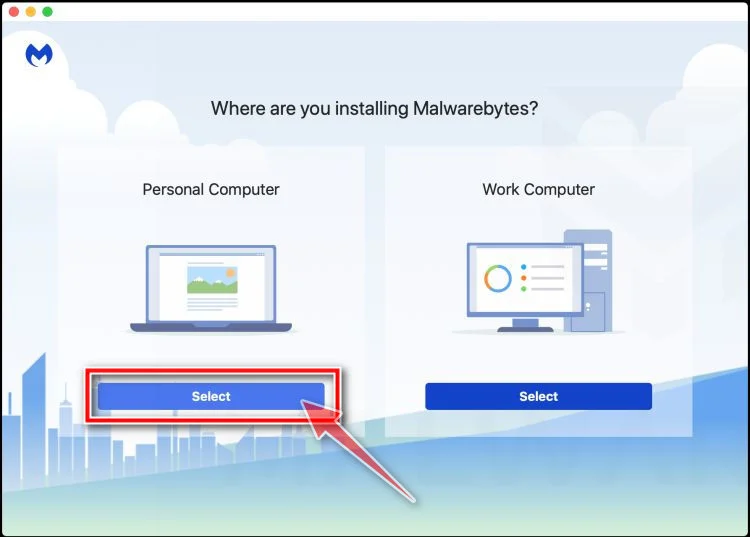
Select “Personal Computer” or “Work Computer”
Malwarebytes will ask what type of computer you’re installing it on. Click either Personal Computer or Work Computer, whichever applies.
-
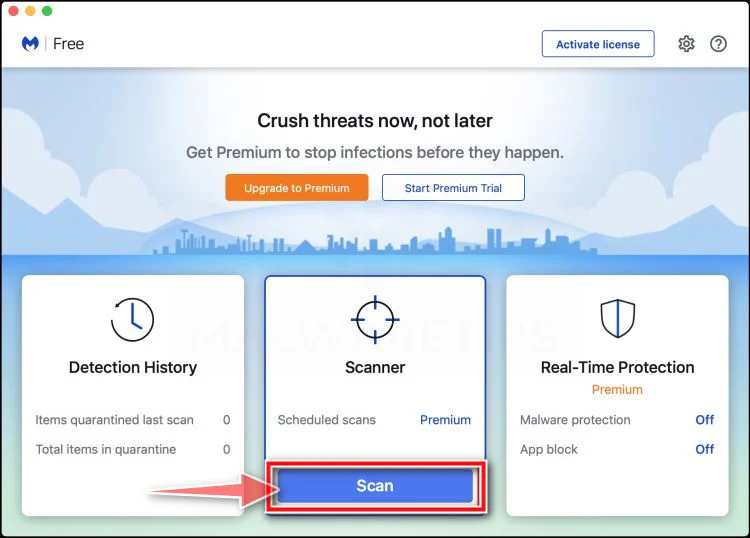
Start the Scan
Click the “Scan” button. Malwarebytes will automatically update its detection database and begin checking your Mac for malware.
-
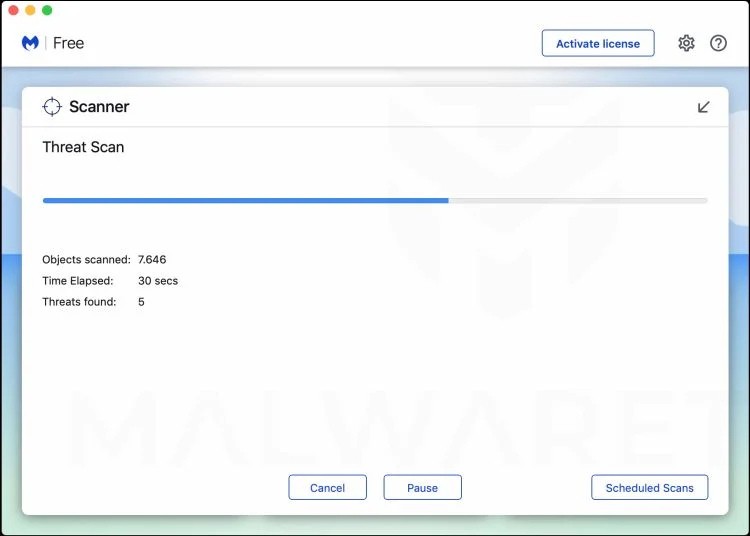
Wait for the Scan to Finish
Malwarebytes will scan your Mac for adware, browser hijackers, and other malicious programs. This can take a few minutes, so feel free to do something else — just check back occasionally to see the progress.
-
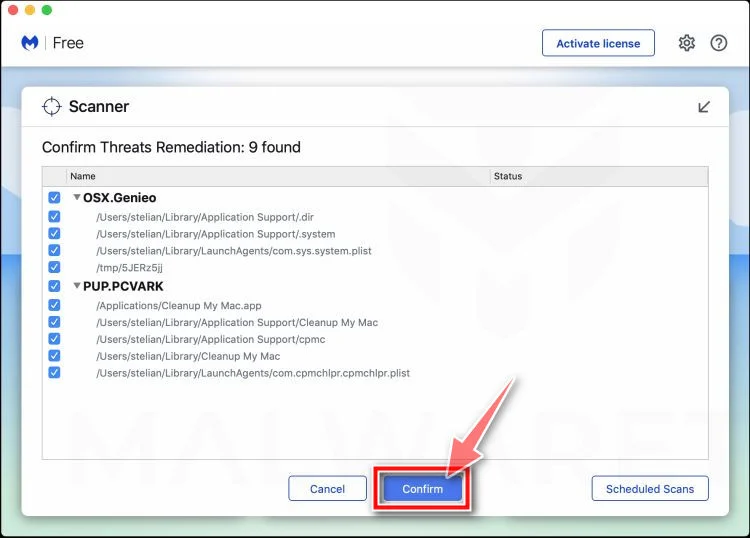
Quarantine the Detected Threats
When the scan is done, you’ll see a list of everything Malwarebytes found. Click the “Quarantine” button to remove all the threats at once.
-
Restart Your Mac
Malwarebytes will now remove all the malicious files it found. Some threats can only be fully removed after a reboot — if Malwarebytes asks you to restart, allow it. Once you’re logged back in, your Mac is clean.
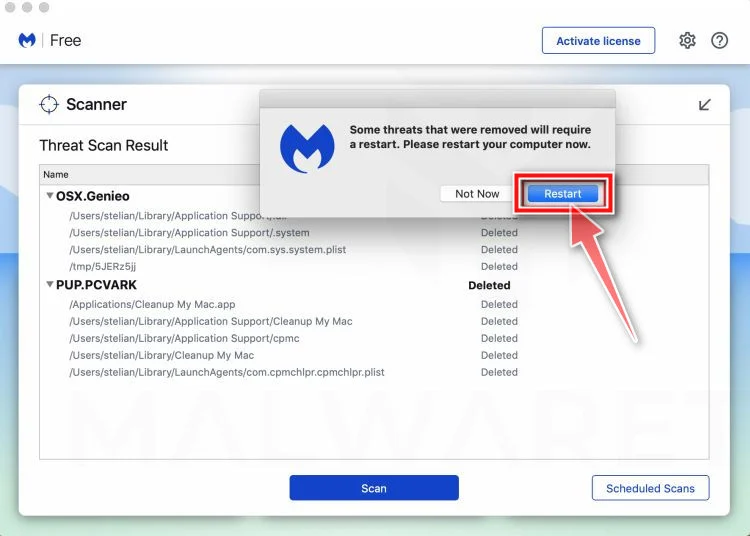
That’s it — your Mac is now free of adware, rogue browser extensions, and other potentially harmful software.
If you are still experiencing problems while trying to remove a malicious program from your computer, please ask for help in our Mac Malware Removal Help & Support forum.
Run a Malware Scan with Malwarebytes for Android
Malwarebytes for Android automatically detects and removes dangerous threats like malware and ransomware so you don’t have to worry about your most-used device being compromised. Aggressive detection of adware and potentially unwanted programs keeps your Android phone or tablet running smooth.
-
Download Malwarebytes for Android.
You can download Malwarebytes for Android by clicking the link below.
Get Malwarebytes for AndroidOpens Google Play in a new tab.Want real-time protection? See Malwarebytes Premium for AndroidMalwarebytes for AndroidScans your phone and removes malware at no cost -
Install Malwarebytes for Android on your phone.
In the Google Play Store, tap “Install” to install Malwarebytes for Android on your device.

When the installation process has finished, tap “Open” to begin using Malwarebytes for Android. You can also open Malwarebytes by tapping on its icon in your phone menu or home screen.

-
Follow the on-screen prompts to complete the setup process
When Malwarebytes will open, you will see the Malwarebytes Setup Wizard which will guide you through a series of permissions and other setup options.
This is the first of two screens that explain the difference between the Premium and Free versions. Swipe this screen to continue.
Tap on “Got it” to proceed to the next step.
Malwarebytes for Android will now ask for a set of permissions that are required to scan your device and protect it from malware. Tap on “Give permission” to continue.
Tap on “Allow” to permit Malwarebytes to access the files on your phone.
-
Update database and run a scan with Malwarebytes for Android
You will now be prompted to update the Malwarebytes database and run a full system scan.

Click on “Update database” to update the Malwarebytes for Android definitions to the latest version, then click on “Run full scan” to perform a system scan.

-
Wait for the Malwarebytes scan to complete.
Malwarebytes will now start scanning your phone for adware and other malicious apps. This process can take a few minutes, so we suggest you do something else and periodically check on the status of the scan to see when it is finished.

-
Click on “Remove Selected”.
When the scan has been completed, you will be presented with a screen showing the malware infections that Malwarebytes for Android has detected. To remove the malicious apps that Malwarebytes has found, tap on the “Remove Selected” button.

-
Restart your phone.
Malwarebytes for Android will now remove all the malicious apps that it has found. To complete the malware removal process, Malwarebytes may ask you to restart your device.
That’s it — your Android phone is now clean — no more malicious apps, adware, or browser redirects.
If you are still having problems with your phone after completing these instructions, then please follow one of the steps:
- Restore your phone to factory settings by going to Settings > General management > Reset > Factory data reset.
- Ask for help in our Mobile Malware Removal Help & Support forum.
Stay Protected: Block Ads and Malicious Sites
Now that your device is clean, keep it that way. Most infections start with a malicious ad or a fake download button — so blocking them at the source is your best defense.
We recommend AdGuard, which blocks malicious ads, phishing pages, and dangerous redirects before they can reach you.
👉 Download AdGuard and browse safely
Frequently Asked Questions About the Amazon Safety Recall Scam
1. What is the Amazon Safety Recall Scam?
The Amazon Safety Recall Scam is a phishing scheme where scammers send fake messages claiming that a product you purchased from Amazon has been recalled due to safety or quality concerns. These messages often include urgent language and a link to a fraudulent website designed to steal your Amazon login credentials, credit card details, or other sensitive personal information.
2. How can I identify a fake Amazon safety recall message?
There are several warning signs that indicate the message you received is a scam:
- The message uses a shortened URL (like bit.ly or cutt.ly) instead of a direct Amazon link.
- It contains vague details about the recalled product without specifying what the product is.
- The tone is urgent, pressuring you to act immediately.
- The sender’s email address or phone number looks suspicious or does not match Amazon’s official domain.
- The order number included in the message does not match any real order in your Amazon account.
If any of these red flags appear, the message is not from Amazon.
3. Does Amazon contact customers by text about recalls?
Amazon does not typically notify customers of recalls through text messages or shortened links. Legitimate product recall notifications are usually sent through:
- Official Amazon email (ending in @amazon.com)
- Notifications in your Amazon account under “Your Orders”
- Occasionally through postal mail for serious recalls
If you receive a text message about a recall, it is almost certainly a scam.
4. What happens if I click on the fake recall link?
If you click the fraudulent link, you will likely be redirected to a phishing website designed to look like Amazon. This fake site may prompt you to:
- Log into your Amazon account (giving scammers your username and password)
- Enter credit card or banking information under the guise of processing a refund
- Download malware or spyware onto your device
Clicking alone may not always cause immediate harm, but entering personal information or downloading files puts you at serious risk of financial fraud and identity theft.
5. How do scammers benefit from the Amazon Safety Recall Scam?
Scammers run these schemes to steal:
- Amazon account credentials, which can be used to place fraudulent orders.
- Financial information, such as credit card numbers or bank account details.
- Personal identity data, which can be sold on the dark web or used for identity theft.
- Access to multiple accounts, since many people reuse the same password for different services.
By tricking users into believing they’re protecting themselves, scammers actually gain the tools they need to commit further fraud.
6. What should I do if I entered my details on a fake site?
If you accidentally entered personal information on a fraudulent website, take these steps immediately:
- Change your Amazon password and enable two-factor authentication.
- Update passwords for any other accounts that use the same login credentials.
- Notify your bank or card provider if you entered financial details.
- Monitor your financial statements for suspicious activity.
- Run a malware scan on your device using trusted antivirus software.
- Report the scam to Amazon at stop-spoofing@amazon.com.
Quick action can reduce the risk of financial loss or identity theft.
7. Can scammers access my Amazon account without my password?
In most cases, scammers need your login credentials to gain access to your account. However, if malware is installed on your device after clicking a link, it could potentially allow them to capture your login information or monitor your activity. This is why running a security scan after interacting with a suspicious link is essential.
8. Are these Amazon recall scams common?
Yes. Phishing scams targeting Amazon customers are extremely common because of the company’s massive global user base. Since almost everyone has an Amazon account, scammers know their messages are likely to reach someone who recently ordered something, making the fake recall seem more believable.
9. How can I protect myself from Amazon phishing scams?
Here are some proven ways to protect yourself:
- Never click on suspicious links in text messages or emails.
- Always go directly to Amazon.com and check your “Your Orders” page if you are concerned.
- Enable two-factor authentication on your Amazon account.
- Use strong, unique passwords for each account you own.
- Keep your phone and computer security software updated.
- Report suspicious messages directly to Amazon.
10. Where can I report the Amazon Safety Recall Scam?
You can report fraudulent messages or phishing attempts directly to Amazon by forwarding them to stop-spoofing@amazon.com. Additionally:
- In the U.S., report to the Federal Trade Commission (FTC) at reportfraud.ftc.gov.
- In the U.K., report to Action Fraud.
- In Canada, notify the Canadian Anti-Fraud Centre.
Reporting helps authorities track scammers and protect other potential victims.
The Bottom Line
The Amazon Safety Recall Scam is a sophisticated phishing attempt that preys on fear, urgency, and trust in one of the world’s most recognized companies. By mimicking official Amazon communications, scammers trick victims into giving away sensitive information, which can then be used for fraud or identity theft.
The key to avoiding this scam is vigilance. Always be cautious of unsolicited messages, especially those containing urgent warnings and unfamiliar links. Remember, Amazon will never ask you to provide sensitive information through text messages or shortened links.
Stay alert, act fast if you suspect foul play, and share this knowledge with others. The more people understand how these scams work, the harder it becomes for cybercriminals to succeed.

Join the discussion
0 commentsShare your experience or ask a question about this article.
Discussion
Start the conversation
Have a question or something useful to share? Add the first comment.