

When it comes to optimizing the performance and power consumption of your ASUS laptop, you may have come across a software called ASUS Power4Gear Hybrid. This utility is designed to provide users with control over their laptop’s power settings, allowing them to customize the performance and power usage according to their needs. However, you may be wondering whether you should keep this software installed or remove it from your system. In this article, we will explore what ASUS Power4Gear Hybrid is, how it works, and whether it is necessary for your laptop’s performance.
What is ASUS Power4Gear Hybrid?
ASUS Power4Gear Hybrid is a power management utility developed by ASUS specifically for their laptops. It allows users to adjust power settings to optimize performance and power consumption based on their preferences. The software offers several power modes, including High Performance, Balanced, Power Saver, and Super Performance. Each mode adjusts various system settings, such as CPU speed, screen brightness, and sleep settings, to achieve the desired balance between performance and power efficiency.
ASUS Power4Gear Hybrid also provides additional features, such as the ability to create custom power profiles, which can be useful for different scenarios. For example, you can create a power profile specifically for gaming, where the system prioritizes performance over power consumption. On the other hand, you can create a power profile for battery-saving purposes, which reduces the system’s power usage to extend battery life.
How Does ASUS Power4Gear Hybrid Work?
ASUS Power4Gear Hybrid works by adjusting various system settings to optimize power consumption and performance. When you select a power mode, the software modifies settings such as CPU speed, screen brightness, and sleep settings to match the desired power profile. For example, in Power Saver mode, the software may reduce the CPU speed to conserve power, dim the screen brightness, and adjust other settings to minimize power usage.
The software also provides real-time monitoring of power consumption, allowing users to see how their system is utilizing power. This can be helpful in identifying power-hungry applications or processes that may be draining the battery unnecessarily. By monitoring power consumption, users can make informed decisions about which power mode to use and adjust their system settings accordingly.
Should I Remove ASUS Power4Gear Hybrid?
Whether you should remove ASUS Power4Gear Hybrid depends on your specific needs and preferences. Here are some factors to consider:
1. Power Management:
If you frequently switch between different power modes or need to customize power settings for specific scenarios, ASUS Power4Gear Hybrid can be a valuable tool. It provides a convenient way to adjust power settings without having to navigate through various system menus. Additionally, the real-time power consumption monitoring can help you identify power-hungry applications and optimize your system’s power usage.
2. Battery Life:
If you rely heavily on your laptop’s battery and need to maximize its lifespan, ASUS Power4Gear Hybrid can be beneficial. The software offers power-saving modes that reduce power consumption, allowing your battery to last longer on a single charge. By adjusting settings such as CPU speed and screen brightness, you can extend your laptop’s battery life and work for longer periods without needing to recharge.
3. Performance:
If you require maximum performance from your laptop, ASUS Power4Gear Hybrid can help you achieve that. The software includes power modes that prioritize performance over power consumption, allowing your system to run at its full potential. This can be particularly useful for resource-intensive tasks such as gaming, video editing, or running demanding software.
4. Personal Preference:
Ultimately, whether to keep or remove ASUS Power4Gear Hybrid comes down to personal preference. If you find the software useful and it enhances your laptop’s power management capabilities, there is no reason to remove it. However, if you prefer to manage power settings manually or find that the software does not align with your needs, you may choose to uninstall it.
How to Remove ASUS Power4Gear Hybrid?
If you have decided to remove ASUS Power4Gear Hybrid from your system, here are the steps to do so:
- Open the Control Panel on your Windows laptop.
- Select “Programs” or “Programs and Features.”
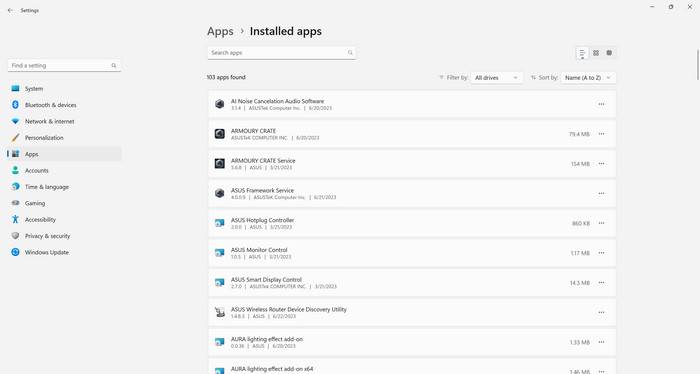
- Locate ASUS Power4Gear Hybrid in the list of installed programs.
- Right-click on ASUS Power4Gear Hybrid and select “Uninstall” or “Remove.”
- Follow the on-screen instructions to complete the uninstallation process.
After uninstalling ASUS Power4Gear Hybrid, it is recommended to restart your laptop to ensure that all related files and settings are properly removed.
If you encounter any issues during the uninstallation process or suspect that there may be leftover files or registry entries, it is advisable to scan your system for malware. Malwarebytes Free is a reliable and effective malware scanner that can help you identify and remove any potential threats. You can download Malwarebytes Free from their official website and run a scan to ensure your system is clean.
Remember to always exercise caution when downloading and installing software from the internet. Stick to trusted sources and verify the authenticity of the software before proceeding with the installation.
Conclusion
ASUS Power4Gear Hybrid is a power management utility designed to optimize performance and power consumption on ASUS laptops. It offers various power modes and customization options to suit different needs and preferences. Whether you should remove ASUS Power4Gear Hybrid depends on your specific requirements. If you frequently switch power modes, need to maximize battery life, or require maximum performance, the software can be beneficial. However, if you prefer manual power management or find that the software does not align with your needs, you may choose to uninstall it. Remember to scan your system for malware after uninstallation to ensure a clean and secure environment for your laptop.

Join the discussion
0 commentsShare your experience or ask a question about this article.
Discussion
Start the conversation
Have a question or something useful to share? Add the first comment.