

Thinking about welcoming a new furry friend into your home? If you’ve come across Babykittensbreeders.com, beware! What seems like an adorable website offering Russian Blue, Maine Coon, and Munchkin kittens is, unfortunately, a sophisticated online scam designed to prey on hopeful pet owners. Keep reading to understand exactly how this scam works, how to protect yourself, and what to do if you’ve been victimized.
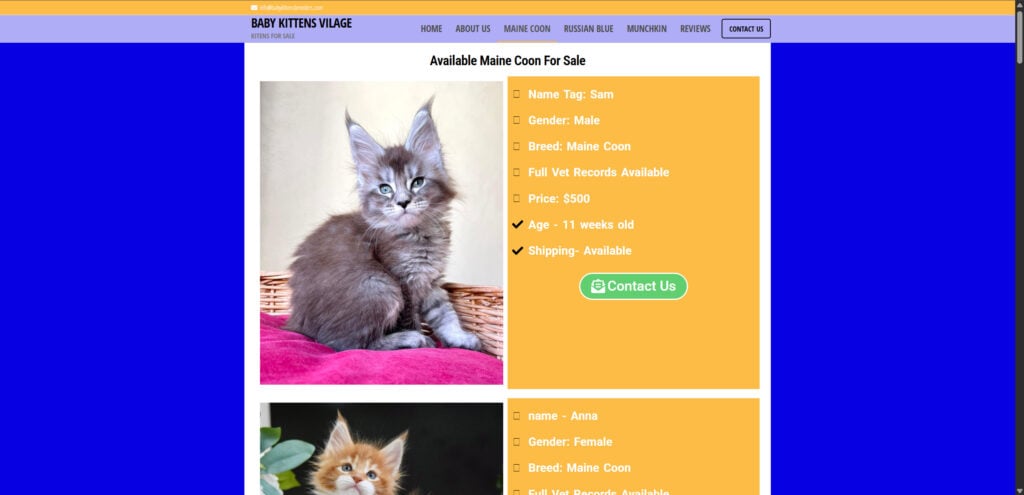
Scam Overview
Babykittensbreeders.com initially appears as an innocent and legitimate breeder offering adorable kittens for sale. The site is filled with enticing photos, detailed kitten descriptions, and reassuring claims of veterinary checks, proper vaccinations, and pedigree documentation. However, beneath this seemingly genuine façade lies an elaborate and manipulative scheme that targets emotional buyers looking for companionship.
One glaring red flag is the astonishingly low prices listed for breeds like Russian Blue, Maine Coon, and Munchkin cats. Typically, these breeds sell for considerably higher amounts due to their popularity, distinctiveness, and breeding costs. Babykittensbreeders.com lists these kittens at significantly lower-than-average prices to lure unsuspecting buyers into making impulsive purchases.
Additionally, the website uses polished language claiming high standards of breeding ethics, meticulous vet care, and detailed family pedigree trees. All these reassuring statements are specifically designed to foster trust and reduce suspicion. The scammers further reinforce their credibility by displaying what appear to be genuine reviews and testimonials from supposed happy customers.
However, once buyers proceed to inquire or make payments, problems quickly surface. Victims report that once the payment has been sent, typically via wire transfers or payment apps that offer limited protection, communication becomes sporadic or abruptly stops altogether. Repeated inquiries about delivery dates or shipping details often go unanswered, or victims are given excuses and requests for further payments related to unforeseen “shipping” or “customs” issues.
Another hallmark of this scam is the manipulation tactic of urgency and emotional pressure. Scammers frequently urge potential buyers that kittens are in high demand, or about to be sold, pressuring buyers into making quick payments without adequate verification.
Furthermore, Babykittensbreeders.com often employs stolen photos from legitimate breeders or stock image sites, adding another deceptive layer to their strategy. The kittens advertised rarely, if ever, exist in their possession, meaning the victims never actually receive a pet. The overall scam operation relies heavily on emotional manipulation, urgency tactics, enticingly low prices, and minimal accountability for transactions, making it extremely profitable and low-risk for scammers.
How The Scam Works
Understanding how the Babykittensbreeders.com scam operates can help potential buyers identify warning signs early:
- Attraction & Discovery:
- Potential buyers find the Babykittensbreeders.com website via online ads, search results, or social media posts.
- Enticing low prices and adorable kitten photos immediately capture buyers’ attention.
- Establishing Trust:
- Buyers browse through carefully constructed listings showcasing kittens purportedly available for sale.
- Detailed descriptions, convincing testimonials, and guarantees about pedigree and vet care build initial trust.
- Contact & Initial Communication:
- Interested buyers reach out via contact forms, email, or provided phone numbers.
- Scammers respond promptly, appearing friendly, helpful, and knowledgeable, offering reassuring details about kitten health, lineage, and shipping processes.
- Payment Request:
- Buyers are convinced to send payment upfront, usually via unsecured payment methods such as wire transfers, Venmo, Zelle, or gift cards.
- Scammers promise secure shipment and include detailed but fraudulent delivery instructions and timelines.
- Further Payment Demands:
- Once initial payment is received, scammers request additional fees, citing unexpected shipping complications, quarantine costs, customs fees, or urgent medical expenses.
- Buyers, emotionally invested, often comply, sending further funds hoping to secure the arrival of their new pet.
- Silence & Disappearance:
- After the scammers have extracted as much money as possible, all communication ceases abruptly.
- Buyers never receive their kittens and are left financially and emotionally devastated, with little recourse available to recover their funds.
What to Do if You Have Fallen Victim to This Scam
If you’ve been scammed by Babykittensbreeders.com, take these immediate steps:
- Cease Further Payments:
- Immediately stop sending any additional payments, regardless of threats or promises.
- Gather Documentation:
- Collect all correspondence, screenshots, receipts, and transaction records for evidence.
- Report the Scam:
- File a report with your local police.
- Contact the Federal Trade Commission (FTC) at 1-877-FTC-HELP (382-4357) or visit www.ftc.gov.
- Report to the Internet Crime Complaint Center (IC3) at www.ic3.gov.
- Contact Your Bank or Payment Provider:
- Inform your bank or payment app immediately to report the fraudulent transaction.
- Request reversal or dispute payments, providing your collected evidence.
- Warn Others:
- Share your experience on social media, online forums, and consumer review websites to help prevent others from falling victim.
- Protect Yourself:
- Regularly monitor your financial statements for unauthorized activity.
- Consider credit monitoring services to detect potential identity theft.
The Bottom Line
Babykittensbreeders.com is a carefully orchestrated scam preying on individuals looking to adopt kittens online. By understanding their deceptive tactics, remaining vigilant, and promptly taking the recommended steps if victimized, you can protect yourself and others. Always thoroughly research breeders, opt for secure payment methods, and insist on in-person verification whenever possible. Remember, if it seems too good to be true, it probably is.








