

The promise of free cryptocurrency is a powerful lure. Scammers know this, and they exploit it with elaborate schemes designed to drain unsuspecting investors’ wallets. One such scheme currently circulating online is the Blaze ETH Airdrop scam, a fake airdrop that uses deceptive tactics to steal Ethereum and other tokens directly from victims. The site appears professional, mimicking legitimate staking and DeFi platforms, but behind its polished interface lies a sophisticated drainer tool. In this article, we will uncover exactly how the Blaze ETH scam operates, how victims are targeted, and what you should do if you have fallen prey to this fraudulent campaign.
Scam Overview
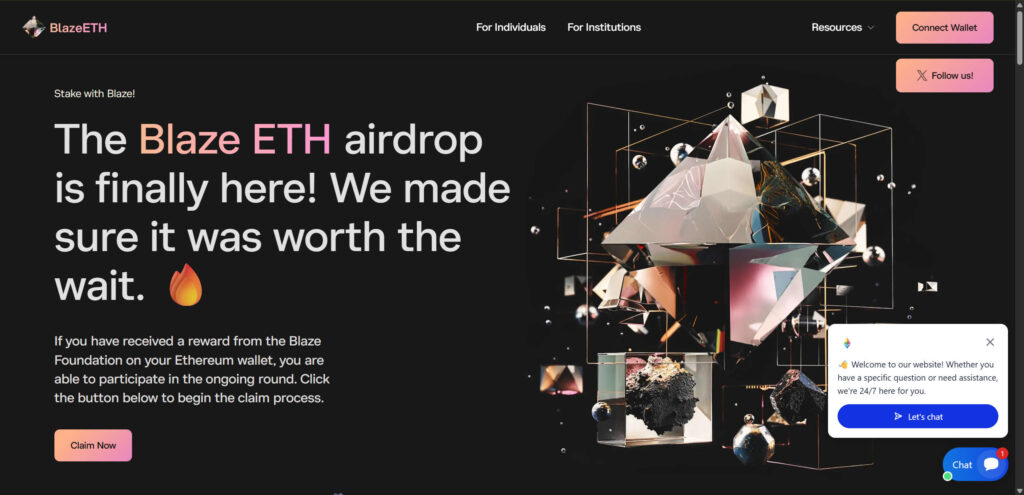
At first glance, the Blaze ETH website looks convincing. It claims to be an official staking platform offering liquid staking for individuals and institutions. The site, found under domains such as acquire-blaze.com and others that change frequently, presents itself as part of the “Blaze Foundation,” supposedly offering users rewards through an airdrop of Blaze ETH tokens. The message displayed prominently on the site declares: “The Blaze ETH airdrop is finally here! We made sure it was worth the wait.” For many cryptocurrency users, this type of announcement creates immediate excitement. Airdrops are a common practice in the crypto world, used by legitimate projects to distribute tokens and attract community engagement. Scammers use this familiarity to their advantage.
Upon visiting the Blaze ETH site, users are greeted with sleek graphics, modern typography, and familiar wallet connection options. The scam imitates popular decentralized finance (DeFi) project interfaces, often incorporating terms like “liquid staking” and “DeFi yield” to appear credible. The overall design gives the impression that the project is a serious and innovative Ethereum-based platform.
The website prompts users with a message suggesting they have already received a reward or are eligible to claim one. This message reads something like: “If you have received a reward from the Blaze Foundation on your Ethereum wallet, you can participate in the ongoing round. Click the button below to begin the claim process.” This is where the scam begins to take shape.
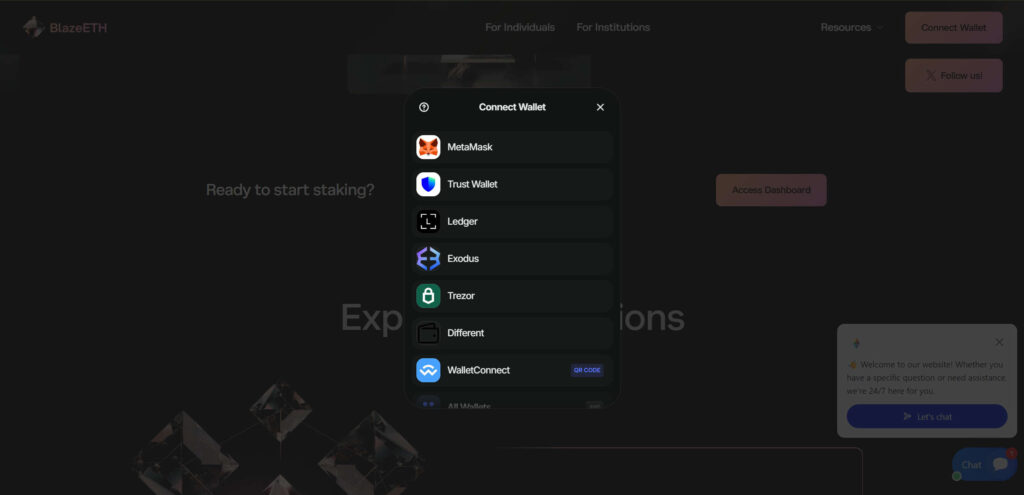
The unsuspecting visitor is given two main calls to action: “Claim Now” and “Check Eligibility.” Both buttons redirect users to a page where they are asked to connect their cryptocurrency wallet. The page displays a pop-up menu with options like MetaMask, Trust Wallet, Ledger, Trezor, Exodus, and WalletConnect. These are legitimate wallet applications that crypto investors use daily, which adds an extra layer of perceived legitimacy to the scam.
However, the real danger begins once the user connects their wallet. The site’s script executes a malicious function that interacts directly with the connected wallet. Rather than verifying eligibility or claiming an airdrop, it requests permissions to manage tokens and assets held in the wallet. The scam operates as a crypto drainer—a malicious tool designed to steal cryptocurrencies and NFTs from victims’ wallets. Once authorization is given, the drainer immediately transfers available assets to the scammer’s wallet address.
What makes this type of fraud particularly devastating is the irreversible nature of blockchain transactions. Unlike traditional financial institutions, cryptocurrencies like Ethereum operate on decentralized networks without intermediaries. This means once a transaction is confirmed on the blockchain, it cannot be reversed or disputed. Victims often realize they’ve been scammed only after noticing their balances have dropped to zero.
The Blaze ETH airdrop scam is part of a larger wave of fraudulent campaigns that continually evolve. Scammers create and abandon new domains regularly, using slightly altered website names to avoid detection. Each iteration features similar layouts, color schemes, and text but with small differences to bypass browser and security blacklists.
Another layer of deception used in this scam is social proof manipulation. The website sometimes includes fake testimonials, fabricated social media accounts, and even simulated chat support to make the experience seem authentic. Some versions of the scam have also integrated pop-up chat windows, claiming to provide 24/7 assistance. These are pre-programmed or handled by scammers to reassure potential victims and encourage them to proceed with wallet connections.
Ultimately, the Blaze ETH scam exploits trust, familiarity, and the excitement surrounding legitimate airdrops in the crypto community. By presenting itself as an exclusive opportunity for Ethereum users to receive rewards or stake their holdings, it successfully convinces individuals to take the fatal step of connecting their wallets to a malicious dApp.
How The Scam Works
The Blaze ETH scam follows a structured and carefully planned process that preys on both curiosity and greed. Let’s break down each step in detail so you can understand precisely how it works and why it’s so effective.
Step 1: The Hook — Fake Airdrop Announcement
The scam begins with an announcement, typically shared across social media platforms, Telegram groups, Discord servers, and even phishing emails. The message might say something like “Blaze ETH is launching its official airdrop! Check your eligibility now!” or “Stake ETH with Blaze and earn rewards instantly!” These posts often include the domain link, such as acquire-blaze.com, encouraging users to visit the site and claim their tokens.
Scammers know how to exploit FOMO (Fear Of Missing Out), a psychological trigger that makes users act quickly without verifying authenticity. Airdrops often have time limits or limited token supplies, so victims rush to claim before it’s “too late.”
Step 2: The Landing Page — Professional Design and Fake Legitimacy
When users land on the Blaze ETH site, they are immediately impressed by its design quality. The interface includes dynamic graphics, Ethereum-themed artwork, and professional typography. It resembles legitimate projects like Lido, Rocket Pool, or other liquid staking platforms.
The text prominently promotes features like:
- Liquid staking for individuals and institutions.
- Staking as low as 0.25 ETH.
- High Annual Percentage Yield (APY).
- No KYC (Know Your Customer) requirements.
- Secure on-chain identity verification.
Each of these points is carefully chosen to appeal to crypto users. By offering low entry requirements, promising high rewards, and highlighting privacy, scammers attract both novice and experienced investors.
Step 3: The Call to Action — Claim or Check Eligibility
After reading the site’s promises, users are prompted to either “Claim Now” or “Check Eligibility.” Both options lead to the same outcome: the site opens a wallet connection window. The list includes popular wallets that most users already have installed, such as MetaMask or Trust Wallet. This further reinforces the illusion of legitimacy since these wallets are commonly used across real DeFi platforms.
Step 4: The Wallet Connection — The Trap
Here’s where the deception deepens. When the victim clicks on a wallet option, they are asked to sign a transaction or grant permission to interact with the dApp. The message might appear harmless, often framed as a verification or confirmation step. However, behind the scenes, the drainer script is requesting approval to access and manage tokens.
The malicious code can perform one or more of the following actions:
- Request unlimited spending approval for ERC-20 tokens.
- Transfer ETH and tokens directly to the scammer’s wallet.
- Drain NFTs or other digital assets.
- Modify wallet permissions to allow future unauthorized withdrawals.
Once the victim grants these permissions, the drainer automatically executes transactions without further user input. Within seconds, all accessible assets are sent to the attacker’s addresses.
Step 5: The Exit — Disappearing Evidence
After funds are drained, the scammers quickly move the stolen assets through multiple wallets and mixers to obscure their trail. Meanwhile, the fraudulent website might go offline or be cloned under a new domain to continue the operation. Victims attempting to revisit the original site often find it deactivated or replaced by a nearly identical version under a slightly different name.
Step 6: The Evolution — Constantly Changing Domains
The Blaze ETH scam isn’t limited to a single website. It is part of a rotating phishing network, where scammers continuously register new domains with similar names (for example, blaze-eth-airdrop.com, claimblaze.io, or stakeblaze.net). This makes it difficult for authorities or browser-based security filters to block them efficiently.
These websites typically share the same structure, text, and wallet connection module. The pattern is consistent: the promise of rewards, an eligibility check, and a wallet connection prompt.
What To Do If You Have Fallen Victim to This Scam
If you’ve connected your wallet to the Blaze ETH scam or signed any transactions on the site, it’s crucial to act quickly. Cryptocurrency transactions cannot be reversed, but there are still steps you can take to mitigate the damage and protect what remains.
1. Revoke All Malicious Permissions
Visit a reputable permission management tool such as Revoke.cash or Etherscan’s Token Approval Checker. Connect your wallet and inspect the list of active token approvals. Revoke any permissions granted to unknown or suspicious addresses immediately. This prevents scammers from executing further transactions in the future.
2. Transfer Remaining Funds to a New Wallet
If your wallet has not been completely drained, transfer any remaining assets to a new wallet address that has never been connected to the malicious site. Create this wallet using a new seed phrase. Never reuse compromised seed phrases or private keys.
3. Avoid Signing Unknown Transactions
In the future, never sign transactions or connect wallets to unknown platforms. Always verify official project links through trusted channels like official Twitter accounts, GitHub pages, or verified CoinMarketCap and CoinGecko listings.
4. Report the Scam
Report the incident to:
- Etherscan (to flag the scammer’s address)
- PhishFort or CryptoScamDB (to help warn others)
- Wallet providers like MetaMask or Trust Wallet
- Local cybercrime authorities
Your report may not recover funds, but it helps reduce future victims by making these scams easier to detect and block.
5. Notify the Community
Post warnings on Reddit, Twitter (X), and Discord groups. Include the fake domain and describe what happened. Community-driven awareness often plays a critical role in preventing further damage.
6. Use Hardware Wallets for Storage
For long-term holding, store your cryptocurrencies in a hardware wallet like Ledger or Trezor. Hardware wallets keep your private keys offline, protecting them from online drainers and phishing scripts.
7. Stay Informed
Scammers continually evolve their tactics. Subscribe to trusted crypto security resources like CertiK, PeckShield, or ScamSniffer. These organizations publish real-time alerts about new drainers, phishing domains, and malicious smart contracts.
The Bottom Line
The Blaze ETH Airdrop scam is a sophisticated deception that preys on trust and the promise of easy rewards. It mimics legitimate DeFi platforms to convince users to connect their wallets, after which a crypto drainer silently steals their funds. While the site appears professional, its true purpose is theft. Once your wallet is drained, recovery is virtually impossible.
The best defense is awareness. Always verify a project’s authenticity before connecting your wallet. Never rush to claim supposed rewards, and remember that genuine airdrops never ask for wallet permissions beyond basic verification. By staying informed and cautious, you can protect your digital assets and avoid becoming another statistic in the growing number of crypto thefts.
Frequently Asked Questions (FAQ)
What is the Blaze ETH Airdrop Scam?
The Blaze ETH Airdrop Scam is a fraudulent scheme disguised as a legitimate Ethereum staking or airdrop platform. It lures users with the promise of free Blaze ETH tokens and high staking returns. Once users connect their wallets, the site deploys a malicious crypto drainer script to steal assets such as ETH, ERC-20 tokens, and NFTs directly from the wallet.
How does the Blaze ETH scam steal cryptocurrency?
The scam works through deceptive smart contract permissions. When victims connect their wallets and approve transactions, the drainer script silently gains control over their tokens. It requests unlimited spending permissions, enabling the scammer to move all funds to their own wallet. The theft happens instantly and cannot be reversed because blockchain transactions are immutable.
What should I do if I connected my wallet to the Blaze ETH site?
If you connected your wallet to the Blaze ETH site, act immediately:
- Go to Revoke.cash and remove all active token approvals.
- Transfer any remaining funds to a new wallet with a fresh seed phrase.
- Avoid interacting with the compromised wallet in the future.
- Report the incident to Etherscan, your wallet provider, and local authorities.
- Share your experience on crypto security forums to warn others.
Can I recover stolen funds from the Blaze ETH scam?
Unfortunately, it is nearly impossible to recover funds once they are stolen. Transactions on the Ethereum blockchain are permanent and cannot be reversed. However, reporting the scam can help flag fraudulent addresses and warn other potential victims.
How can I identify similar airdrop scams in the future?
Here are common signs of fake airdrop scams:
- The website claims you have already received rewards or are eligible without verification.
- You are asked to connect your wallet before any confirmation or verification.
- The project is not listed on trusted databases like CoinGecko or CoinMarketCap.
- The site lacks verifiable team information, social media links, or audit reports.
- The domain was recently registered and lacks history.
Always double-check official sources and verify a project’s legitimacy before connecting your wallet.
Why do scammers keep creating new Blaze ETH websites?
Scammers constantly change domain names to evade detection by browsers, search engines, and cybersecurity firms. Once a fake site is reported or blacklisted, they register a new domain with minor name variations, such as claimblaze.io or stakeblaze.net. This allows them to continue the operation undetected and target new victims.
Are hardware wallets safe from Blaze ETH and similar scams?
Hardware wallets like Ledger and Trezor offer enhanced protection because your private keys never leave the device. However, even hardware wallets can be compromised if you approve malicious smart contract interactions. Always verify every transaction and never grant unlimited token spending permissions to unknown sites.
What is a crypto drainer?
A crypto drainer is a malicious script or smart contract designed to automatically transfer cryptocurrency assets from a connected wallet to the attacker’s wallet. Once granted access, it can steal all available tokens and even NFTs. Crypto drainers are the primary tools used in scams like Blaze ETH.
How can I stay safe from future airdrop scams?
Follow these best practices to protect yourself:
- Never connect your wallet to unverified platforms.
- Always verify URLs and ensure you’re on official domains.
- Use hardware wallets for long-term storage.
- Revoke token permissions regularly.
- Follow trusted sources like CertiK, ScamSniffer, and PhishFort for scam alerts.
- Treat unsolicited airdrop announcements with skepticism.
What should I do if I see someone promoting Blaze ETH on social media?
If you come across promotions or posts about Blaze ETH or similar scams, report the account immediately to the platform. Scammers often use fake influencer accounts or hacked profiles to promote such sites. Reporting helps social networks take down the content quickly and protect others from falling for the scam.
How can I verify if an airdrop is legitimate?
To verify a legitimate airdrop:
- Check if the project has a verified social media presence with consistent engagement.
- Look for audit reports and community discussions on Reddit, X (Twitter), or Discord.
- Confirm listings on trusted aggregators like CoinMarketCap and CoinGecko.
- Ensure the project never asks for wallet connection before verification.
- Review smart contracts on Etherscan before signing any transactions.

Join the discussion
0 commentsShare your experience or ask a question about this article.
Discussion
Start the conversation
Have a question or something useful to share? Add the first comment.