

A new blood booster supplement called Blood Booster has recently hit the market, making bold claims about improving red blood cell production and boosting blood volume. But is this supplement all it’s cracked up to be? Or is Blood Booster just another health product making big promises it can’t deliver on?
In this article, we’ll take an in-depth look at Blood Booster to find out if it’s a legit option for improving blood health or an overhyped scam.
What is Blood Booster?
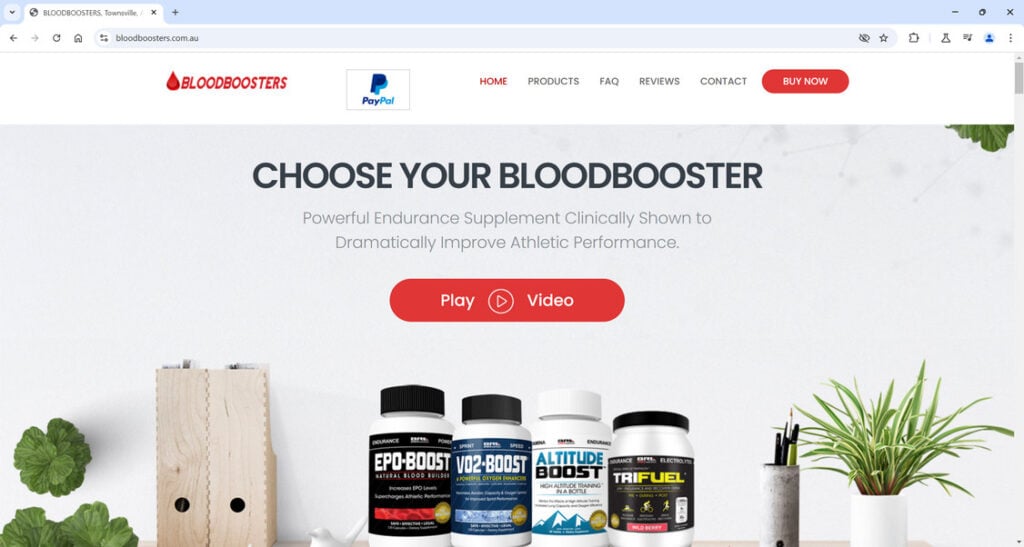
According to the Blood Booster website, this supplement is formulated to increase EPO (erythropoietin) levels and improve overall blood health. EPO is a hormone produced by the kidneys that controls red blood cell production.
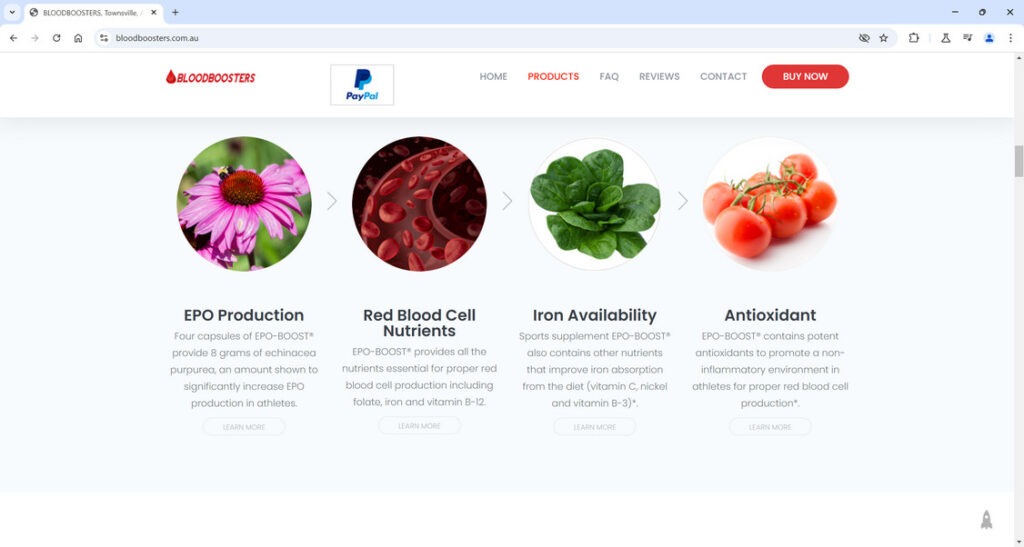
The makers of Blood Booster claim their formula addresses four key areas:
- EPO production
- Red blood cell nutrients
- Iron availability
- Inflammation
By targeting these four factors, Blood Booster promises to boost red blood cell levels, increase blood volume, and enhance oxygen circulation throughout the body.
A Lack of Evidence Supporting Claims
While the claims made about Blood Booster sound impressive, there is a concerning lack of scientific evidence to back them up.
The Blood Booster website does not link to any clinical trials, research studies, or other data that proves the supplement actually works as advertised. There are no ingredients lists or explanations of how the “four key ingredients” purportedly increase EPO and red blood cell levels.
Additionally, there are no customer reviews or testimonials available anywhere online from real users who can vouch for Blood Booster’s effects.
Without scientific proof or reviews from verified purchasers, there is no way to truly evaluate whether Blood Booster delivers on its promises of improving blood health.
Unknown Ingredients & Formula
Another big red flag with Blood Booster is the lack of transparency around its formula and ingredients.
The website vaguely references “four key ingredients” that include EPO production, red blood cell nutrients, iron availability, and antioxidants. However, no full ingredients list is provided.
This makes it impossible to judge the safety and efficacy of Blood Booster’s formula. Without knowing exactly what ingredients you’re ingesting, it’s wise to be very cautious with supplements like this.
Legitimate health products will always provide full transparency into their ingredients and dosages. The fact that Blood Booster does not could indicate they have something to hide.
Website & Company Raise Questions
Looking deeper into the Blood Booster website and company behind the supplement also uncovers some concerning details.
Blood Booster can only be purchased through its official website, which has a questionable design. There is no “About Us” page with background on the company, and no information about who specifically developed Blood Booster.
The lack of customer reviews on the site is another bad sign. Legitimate businesses encourage customer testimonials.
There are also no certifications or approvals posted from organizations like the FDA or BBB. Taken together, these website red flags make it hard to trust Blood Booster as a legitimate product.
The Verdict: Proceed with Caution
Based on the lack of evidence, unknown formula, sketchy website, and missing company information, Blood Booster appears to be an overhyped supplement that should be approached with significant caution.
While improving blood health is an admirable goal, it’s best to consult a healthcare professional and explore science-backed options rather than trust in a questionable product like Blood Booster.
Before trying any new supplement, do your own thorough research to make sure there is reliable data proving it is both safe and effective. Without this due diligence, you could be putting your health at risk or wasting money on an unproven product.
When in doubt, err on the side of caution and avoid supplements making bold claims without adequate support. Your best bet is to eat a balanced diet, exercise regularly, reduce stress, and get enough sleep – tried and true ways to maintain good overall blood health.

Reviews & discussion
0 commentsShare a firsthand experience, or ask a question.
Community reviews
Blood Booster
Moderated reader experiences, not an editorial verdict.
Start the conversation
Have a question or something useful to share? Add the first comment.