

It starts with a headline that feels like a real news story.
A respected logo. A familiar layout. A “reporter” tone that makes you drop your guard.
Then comes the hook: a “breakthrough” brain supplement that supposedly boosts memory, focus, and recall by huge percentages. The article says the results are fast, dramatic, and “clinically proven.”
And somewhere on the page, you see a famous name that makes the whole thing feel credible.
That is the trap.
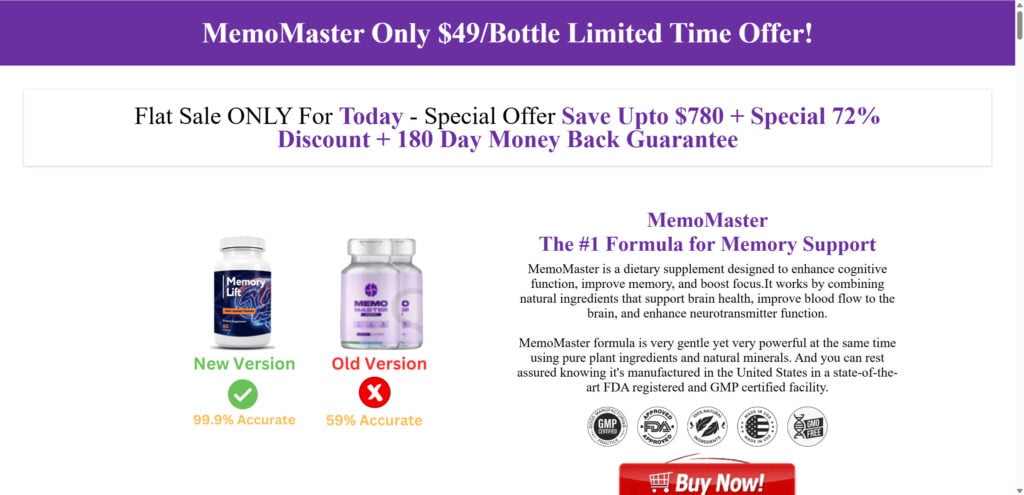
This article is about the “brain booster” scam pattern: spoofed news websites, fake celebrity endorsements, exaggerated claims, and checkout flows designed to take your money quickly and keep charging you after the first purchase. Consumer protection agencies have warned for years that scammers use fake endorsements and phony “news” formats to sell health products that do not deliver.
If you have already ordered, you are not alone. These campaigns are built to be convincing, especially when you are tired, stressed, worried about aging, or just trying to stay sharp.
Let’s break down how this operation works and what to do next.
Scam Overview
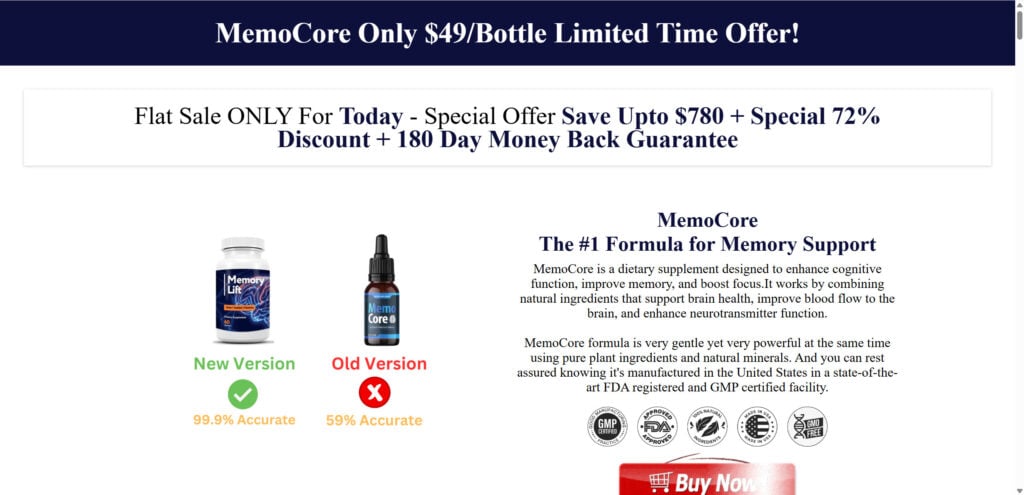
“Brain booster” scams are not one single product. They are a marketing playbook that gets reused under many different brand names, websites, and ad campaigns.
The common theme is simple: scammers know that fear and hope sell. When people worry about memory, focus, brain fog, or cognitive decline, they are more likely to act quickly, especially if the message feels urgent and “scientific.”
These scams typically combine four deceptive elements:
- A spoofed “news” website that looks like a trusted media outlet
- A fake endorsement, quote, or “interview” from a recognizable public figure
- Overstated claims about results, often expressed as big % improvements
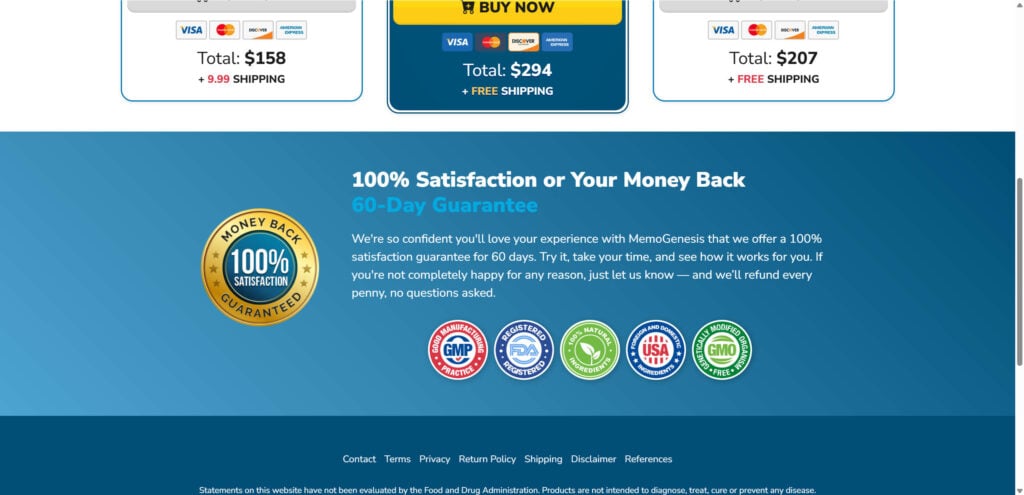
- A checkout process that hides the true cost, recurring billing, or refund barriers
Consumer protection authorities have explicitly warned about fake endorsements and misleading health claims, including marketing that uses phony formats made to look like legitimate reporting.
Why “brain booster” scams work so well
This category is unusually effective for scammers because it targets a universal worry: “What if I’m slipping?”
They aim their messaging at:
- Older adults concerned about memory changes
- Busy professionals who feel mentally drained and want an edge
- Students during exam periods
- Anyone experiencing stress, poor sleep, or “brain fog”
- Caregivers searching for anything that might help a loved one
The pitch is designed to sound like relief.
Not “This might help a little,” but “This changes everything.”
And that is where the deception begins.
The fake news site trick: borrowing credibility
One of the biggest red flags is the website itself.
These pages are built to resemble well-known news outlets and “investigative reports.” They may include:
- A familiar-looking headline style and page layout
- Fake author names and fake timestamps
- Images of “anchors,” “doctors,” or “researchers”
- Comments sections filled with scripted praise
- Badges like “As Seen On,” “Trending,” or “Breaking”
The goal is not to inform you. The goal is to get you to keep scrolling until you hit the call-to-action button.
The Federal Trade Commission has gone after operators using “fake news” sites to sell deceptive products and has repeatedly warned consumers about phony news formats and the risks tied to “free trial” style offers.
While some of the most public enforcement examples involve weight loss, the same mechanics apply to “brain booster” offers because the structure of the deception is identical: fake editorial credibility, then a hard-sell funnel.
Fake celebrity endorsements: the “authority shortcut”
Another hallmark is the use of famous names to “prove” legitimacy.
You will see claims like:
- “Famous scientist reveals the truth”
- “TV host can’t believe results”
- “Celebrity uses this daily”
- “This segment was pulled from the air”
Campaigns have used figures such as Stephen Hawking or Anderson Cooper in ways meant to imply endorsement or involvement, even when no real endorsement exists. Regulators have warned broadly about bogus celebrity testimonials used to sell “brain” supplements and similar products.
This works because it bypasses your normal skepticism.
People think: “If someone that famous is connected to it, it must be real.”
But scammers know something else: most people will not verify the quote, the video, the site, or the underlying study.
The claims: big numbers, vague science, no proof
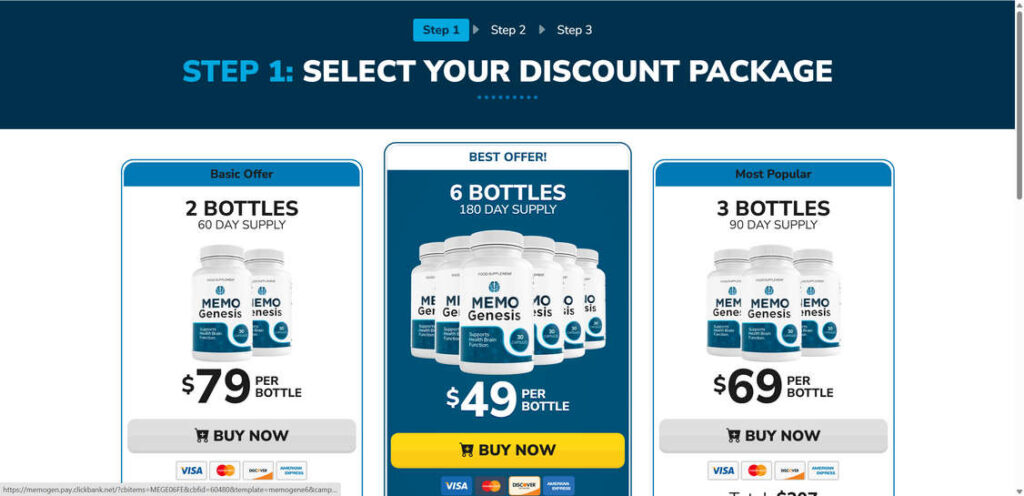
The pitch often includes dramatic “results” like:
- “Improve memory by 60%”
- “Increase focus by 90%”
- “Boost recall by 120%”
- “Feel sharper in 7 days”
- “Clinically proven in a university study”
Here is the problem: those claims usually are not backed by credible evidence that applies to the actual pill being sold.
Even when a page cites “research,” it may be:
- A study about a single ingredient, not the product formula
- A small study with weak methodology
- An animal study presented as human proof
- A vague “clinical trial” that cannot be found anywhere
- A “study” conducted by someone connected to the seller
Regulators have repeatedly stated that deceptive health marketing often relies on miracle claims and fake proof.
The reality: supplements are not regulated like drugs
In the United States, dietary supplements are not approved the same way prescription drugs are. That means:
- Products can be sold without pre-approval for effectiveness
- Marketing can lean heavily on suggestion and ambiguity
- The burden often falls on enforcement after harm occurs
The U.S. Food and Drug Administration has warned consumers to watch out for false promises, especially when companies claim a supplement can prevent, treat, or cure serious conditions. (U.S. Food and Drug Administration)
This matters because many “brain booster” scam pages blur the line between:
- “Supports brain health” (a vague structure/function claim)
- “Treats memory loss” (a disease treatment claim)
Scammers use that gray zone to sound medical without taking responsibility.
The money layer: charges, subscriptions, and refund roadblocks
A huge number of victims report the same pattern:
- The page offers a low-cost trial, often just shipping
- The buyer enters card details to “cover postage”
- A much larger charge appears days later
- Another charge appears the next month
- The customer struggles to reach support or cancel
The FTC has brought actions against marketers running deceptive “free trial” offers tied to negative option billing, where consumers are enrolled into continuity plans without clear, informed consent.
In plain terms: the “brain booster” scam is often not just about one purchase.
It is about turning one purchase into recurring revenue.
A real-world comparison: how enforcement actions show the broader problem
It helps to understand that deceptive cognitive supplement marketing is not hypothetical.
For example, the FTC and the New York Attorney General pursued claims against Quincy Bioscience over advertising for Prevagen, alleging deceptive memory and cognitive improvement claims.
That is not the same as the spoofed-site scam, but it shows why this category is fertile ground for manipulation: “brain” claims are hard to measure, easy to exaggerate, and emotionally powerful.
Key takeaway from the overview
If you remember one thing, make it this:
A “brain booster” scam is usually a funnel, not a product.
The fake news story and celebrity name are there to create trust. The claims are there to create urgency. The checkout is there to capture billing details and, often, keep charging you.
Next, we’ll walk through the operation step-by-step so you can recognize it quickly and shut it down.
How The Scam Works
This section breaks down the typical brain booster scam flow from the first click to the recurring charges. Even if the brand name changes, the mechanics are remarkably consistent.
Step 1: You see an ad designed to trigger curiosity or fear
Most people do not land on these pages by typing a URL.
They arrive through:
- Social media ads (especially “news-style” posts)
- Sponsored content blocks on websites
- Pop-ups on streaming or sports pages
- Clickbait headlines in low-quality networks
- SMS or email links in some cases
The ad is often written to make you react:
- “Doctors stunned”
- “They tried to ban this”
- “One weird trick”
- “This is why your memory is failing”
That emotional surge is intentional. It reduces careful thinking.
Step 2: The ad sends you to a spoofed “news” article
You land on a page that looks like a trusted media story.
This is where the scammer borrows authority.
Common signals of a spoofed news site:
- The URL does not match the real publication
- The “About” page is missing or generic
- The site has no searchable archive of other articles
- The navigation links go nowhere
- The page is overloaded with ads and buttons
- The language is oddly repetitive or overly dramatic
The FTC has documented how fake news sites mimic legitimate outlets and push consumers toward deceptive offers.
Step 3: The page introduces a hero figure and a “breakthrough”
Now the story becomes a narrative.
It often includes:
- A famous public figure (real or fabricated)
- A “whistleblower” doctor
- A “viral segment” from TV
- A claim that “Big Pharma” is threatened
- A sudden “limited supply” warning
The purpose is not accuracy.
It is persuasion through storytelling.
Step 4: Fake endorsements and fake social proof appear
This is where many people fully buy in.
You may see:
- A quote attributed to a celebrity
- A photo montage implying media coverage
- A “before and after” mental performance story
- Dozens of glowing comments like “My memory came back!”
The FTC has explicitly warned about bogus celebrity testimonials and “phony formats” that are designed to look like independent reporting.
Modern versions also use AI-generated faces, AI-written comments, and synthetic voiceovers. The point is to create the feeling that “everyone is already using this.”
Step 5: Scientific-sounding claims are used as a smokescreen
Next comes the “proof” section.
Typical tactics:
- Listing ingredients with complex names
- Referencing neurotransmitters or “brain pathways” with no citations
- Mentioning a “Harvard” or “Stanford” style implication without real affiliation
- Using charts, molecules, or lab imagery to look legitimate
- Claiming “clinically proven” without a link to a real trial
You might even see a “study” summary with percentages, but no authors, journal name, or DOI.
This part is designed to create just enough plausibility to push you to the order button.
Step 6: The call-to-action pushes urgency and scarcity
This is the conversion moment.
You’ll see:
- Countdown timers
- “Only 7 bottles left”
- “Today only”
- “You must act now to lock in your discount”
This is a classic pressure technique. It discourages you from checking reviews, searching the brand, or reading the terms.
The FTC warns that dishonest health marketers often use urgency to manipulate decisions. (Consumer Advice)
Step 7: The order page collects more than it should
When you click through, the sales page usually asks for:
- Full name and shipping address
- Email and phone number
- Credit or debit card details
Then it may introduce add-ons like:
- “Boost pack” bundles
- “VIP shipping”
- “Extra bottle for best results”
This is where many victims accidentally agree to more than they intended.
Common checkout traps:
- Pre-checked boxes for add-ons
- Tiny disclosure text below the button
- Pricing that changes at the final step
- Multiple “confirm” clicks that hide terms behind links
Step 8: The “trial” becomes a continuity plan
This is the most financially damaging part.
The buyer thinks they paid $4.95 or $6.95 for shipping.
But the terms may say something like:
- “After 14 days you will be charged $89.95”
- “You will be enrolled in monthly shipments”
- “Cancellation must occur within a short window”
- “Returns require authorization and special procedures”
In deceptive campaigns, those disclosures are intentionally hard to notice.
The FTC has taken action against marketers who promoted “risk-free” trials but then charged consumers and enrolled them into continuity plans without proper consent. (Federal Trade Commission)
Step 9: Customer service becomes slippery or unreachable
After unexpected charges appear, the customer tries to cancel.
This is where the operation often turns hostile.
Common experiences:
- No phone number, or a number that never connects
- Automated emails with no resolution
- “We can’t find your order” responses
- Instructions to mail returns to distant locations at your cost
- “Restocking fees” or “processing fees”
- Promises of refunds that never arrive
The friction is intentional. Every day you struggle is another day they keep your money or run another billing cycle.
Step 10: The scam expands into “reload” and data abuse
Even if you stop the payments, you may still face follow-on risks.
When scammers collect your details, they can:
- Retarget you with similar offers
- Sell your data to other marketers
- Contact you with new “health” pitches
- Run “refund assistance” scams pretending to help you recover money
This is why it is important to treat the purchase as both a billing problem and a personal data exposure event.
Why these scams keep returning under new names
These operations are designed for churn.
If a brand gets flagged, they can:
- Register a new domain
- Swap the product name
- Reuse the same template and ad copy
- Replace the celebrity photo and headline
- Relaunch within days
That is why searching a single product name often does not solve the problem. You need to recognize the structure of the funnel itself.
What To Do If You Have Fallen Victim to This Scam
If you already ordered a “brain booster” from a spoofed news site or a suspicious ad, focus on two goals:
- Stop further charges
- Document everything so you can dispute effectively
Here’s a clear, step-by-step plan.
- Call your bank or card issuer immediately
Ask them to review recent charges and identify any recurring or “merchant descriptor” charges tied to the purchase.
If you see unexpected charges, request a dispute (chargeback) and ask about blocking future transactions from that merchant. - Cancel the card if recurring charges are likely
If the merchant is using continuity billing and you cannot reliably cancel, replacing the card can be the fastest way to stop the cycle.
Ask whether your issuer offers controls for “recurring payment tokens” so the merchant cannot continue billing via updated card credentials. - Save evidence before anything changes
Take screenshots of:- The spoofed article page
- The checkout page
- The order confirmation page
- Any fine print, terms, or subscription disclosures
- Emails, receipts, and shipping notices
Save URLs and timestamps. This makes disputes much easier.
- Search your statements for related charges
These operations sometimes bill under different names. Look for:- Similar amounts repeating monthly
- Multiple charges close together
- Charges labeled as “support,” “fulfillment,” “membership,” or generic company names
Report every suspicious charge, not just the first one.
- Attempt cancellation, but do not rely on it
If the site has a cancellation method, use it, but assume it may fail.
Send a cancellation email and keep the sent message. If there is a form, screenshot the submission confirmation. - Refuse delivery if possible, but do not break your dispute timeline
Some people want to “wait and return it.” The risk is that waiting can allow additional charges.
Prioritize stopping payments first. Then deal with shipment issues. - Monitor your email and SMS for follow-up scams
After you engage once, you may receive:- “Refund approved” phishing emails
- “Your subscription is renewing” pressure messages
- “We noticed fraud, confirm your details” scams
Treat these as suspicious unless you independently verify the sender.
- Report the scam to the right places
Reporting helps create enforcement patterns and warnings for other consumers. Consider reporting to:- The FTC (consumer complaint)
- Your state attorney general’s office
- Your card issuer’s fraud department
- The ad platform where you saw it
- If you shared health information, treat it as sensitive exposure
Some sites ask for age, symptoms, medications, or conditions as part of the funnel.
If you entered sensitive details, be extra cautious with future messages that reference those details, since scammers may weaponize them to sound credible. - If you feel unwell after taking the pills, stop and talk to a clinician
Supplements can interact with medications or cause side effects, especially stimulants or concentrated herbal blends.
If there are symptoms, do not “push through.” Get medical advice.
The Bottom Line
The “brain booster” scam pattern is built on borrowed credibility.
A spoofed news page makes the pitch feel trustworthy. A fake celebrity endorsement makes it feel confirmed. Big % claims make it feel measurable and “scientific.” A low-cost offer makes it feel low risk.
Then the billing model turns it into a financial trap, often through continuity charges, vague terms, and customer service that is hard to reach. Regulators have repeatedly warned about bogus celebrity testimonials, phony news formats, and deceptive “free trial” billing practices tied to health products.
If you are currently looking at a page like this, slow down.
Check the URL. Look for real sourcing. Search the brand name plus words like “complaints,” “subscription,” “refund,” and “chargeback.” And remember that real breakthroughs do not require countdown timers and fake endorsements to be believed.
If you already paid, act quickly. Stop further charges, document everything, and dispute any unauthorized or misleading billing. That is how you take control back.
FAQ: Brain Booster Scam Alert
What is the “brain booster” scam, exactly?
It’s a common scam pattern where shady marketers sell “brain booster” pills using fake news-style websites, fake celebrity endorsements, and exaggerated claims about memory and focus. The goal is to push you into a purchase quickly, and in many cases, enroll you into recurring charges.
How can I tell if the “news article” page is fake?
Look for these red flags:
- The URL is not the real domain of a legitimate news outlet
- The site has no real homepage, no searchable archive, or only that one “article”
- The navigation links do not work or loop back to the same page
- The page has a lot of buttons like “Claim Offer” or “Limited Time”
- The story feels overly dramatic and sales-focused, not journalistic
- The “comments” look scripted and unrealistically positive
If it reads like an ad disguised as an investigation, treat it as unsafe.
Did Stephen Hawking or Anderson Cooper endorse any brain booster pills?
No. Scammers often use famous names and photos to imply endorsements, but those endorsements are not real. When you see a celebrity tied to a supplement on a random site, assume it’s a tactic to gain trust, not proof.
Are brain booster supplements always a scam?
Not always, but many of the ones pushed through fake news pages and aggressive ads are highly suspicious. Even legitimate supplements rarely produce dramatic, guaranteed results. If the marketing promises huge % improvements in memory or focus, that’s a major warning sign.
Why do these sites claim results like “memory improved by 85%”?
Because big numbers feel scientific and convincing. Most of the time, those percentages are not backed by credible studies on the actual product being sold. They’re designed to trigger quick decisions, not informed ones.
What are the most common payment traps with these offers?
The biggest traps include:
- “Free trial” or “just pay shipping” offers that turn into large charges later
- Hidden monthly subscriptions or “continuity plans”
- Upsells that add extra bottles or bundles at checkout
- Disclosures buried in tiny text near the order button
- Charges showing up under a different company name on your statement
I ordered one bottle, but I was charged for multiple units. Why?
This happens a lot with scammy supplement funnels. Sometimes it’s a deliberate “bundle” add-on hidden in the checkout. Other times it’s straight-up unauthorized billing. Either way, treat it as a billing dispute and contact your card issuer fast.
I’m seeing charges I don’t recognize. What should I do first?
Do these steps in order:
- Call your bank or card issuer and ask them to identify the merchant behind the charge
- Dispute any charge you did not authorize or that was misleading
- Ask the issuer to block future charges from that merchant
- If needed, replace your card to stop recurring billing
Move quickly. Waiting makes it easier for the merchant to keep billing.
Can I just cancel on the website and be done?
Sometimes, but do not rely on it. Many of these operations make cancellation difficult, ignore requests, or keep billing anyway. Even if you submit a cancellation, you should still monitor your statements closely.
Should I return the product to get my money back?
Be careful. Returns are often a dead end because:
- The return address may be overseas
- Shipping costs can be expensive
- They may require an RMA number they never provide
- They may delay until the dispute window closes
In most cases, a chargeback through your card issuer is more effective than trying to negotiate with the seller.
What if I gave them my phone number and email?
Expect follow-up marketing and possibly more scams. You may see:
- More “health offer” spam
- Fake refund emails
- “Subscription renewal” scare messages
- Phishing attempts pretending to be your bank
Do not click links in follow-ups. If something looks urgent, go directly to your bank’s official website or app.
Can these scams steal more than just my money?
Yes. At minimum, they collect personal data (name, address, email, phone). Some campaigns also collect “quiz” answers about your health or symptoms, which can be used to target you with more persuasive scams later.
Are there safer ways to evaluate a supplement claim?
Yes. Use this checklist:
- Does the product have transparent company details and real contact info?
- Are claims realistic, not guaranteed, and not expressed in huge % results?
- Are studies clearly cited with traceable sources (journal, authors, date)?
- Are reviews hosted on trusted platforms with verification?
- Is pricing clear with no hidden subscription language?
If you cannot verify who is behind it and how it is billed, do not buy.
How do I report a brain booster scam website?
You can report it to:
- Your card issuer (fraud or disputes department)
- The FTC (consumer complaint)
- Your state attorney general
- The platform where you saw the ad (Facebook, TikTok, Google, etc.)
Reporting helps create patterns that can get campaigns removed faster.

Join the discussion
0 commentsShare your experience or ask a question about this article.
Community experiences
Did this happen to you?
Your experience could help someone recognize the same scam. Submit a private report for our team to review.
I experienced this tooReports are reviewed before publication. Sharing publicly is always your choice.
Discussion
Start the conversation
Have a question or something useful to share? Add the first comment.