

CapHatCleaner is marketed as a simple hat-cleaning kit that can remove dirt, grime, sweat stains, and unwanted odors from baseball caps and other headwear. The product is sold in single, double, and triple packs, with the triple pack promoted as a value option for people who own multiple caps.
The product may be useful for light spot-cleaning, but buyers should look carefully at the claims, pricing, refund wording, ingredient transparency, and return-policy details before ordering. Hat cleaning is delicate, and not every stain or fabric can be safely restored by a spray-and-brush kit.
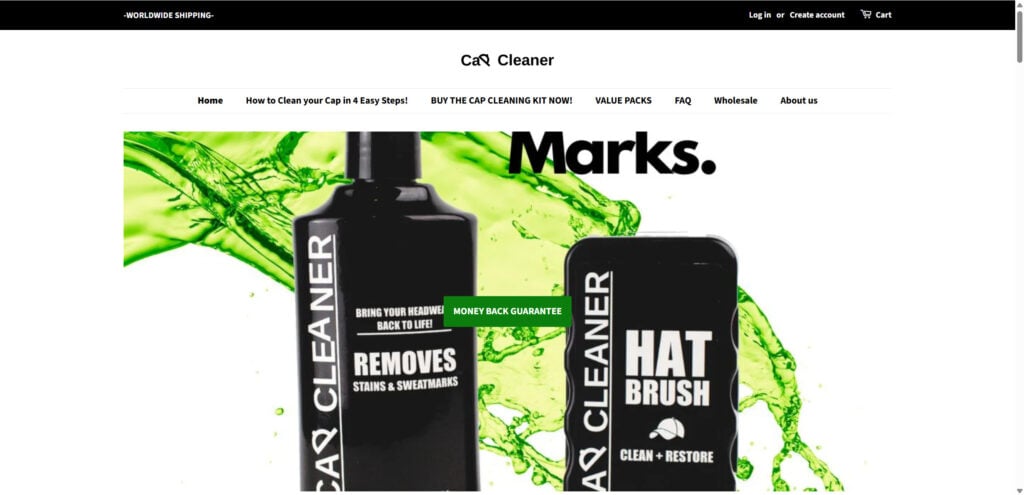
What Is CapHatCleaner?
CapHatCleaner sells a cap cleaning spray and brush kit through CapHatCleaner.com. The triple pack includes:
- 3 cap brushes
- 3 bottles of 236ml cap cleaning spray
- enough spray, according to the site, to wash up to 150 caps
The triple pack is listed at $84.99, reduced from a crossed-out $104.97. The single pack is listed at $34.99, while the double pack is promoted as a discounted value option.
The site says the spray is formulated to remove:
- dirt
- grime
- sweat stains
- unwanted odors
The product page also says the kit is safe for hats, made with safe ingredients, contains “zero dangerous chemicals or additives,” and is backed by a 100% money-back guarantee.
At first glance, this looks like a practical product. Caps can be difficult to wash properly, especially if they have structured crowns, cardboard brims, wool fabric, embroidery, patches, or older materials. A targeted spot-cleaning kit can make sense.
The concern is not that a hat-cleaning spray cannot work. The concern is that buyers should not assume it can restore every cap, remove every stain, or deliver perfect before-and-after results.
Why CapHatCleaner Raises Red Flags
1. The product page makes broad stain-removal claims
CapHatCleaner says the spray removes dirt, grime, sweat stains, and odors from caps and headwear.
That may be true for light, fresh, surface-level stains. But old sweat stains, sun-faded fabric, oil-based marks, dye transfer, yellowing, mold, and set-in grime may not come out completely.
The site’s own FAQ admits that there is no guarantee every stain can be fully removed. It says stain removal depends on factors such as how many times the stain has been treated, how long it has been sitting, and whether the stain has “sealed.”
That is a useful admission, but it also weakens the stronger product-page impression that the kit can restore caps to a “just-bought” look.
2. “Makes them look like new” may create unrealistic expectations
The product page says the cleaning agent protects baseball caps and makes them look like new after cleaning.
That is a strong claim.
Some caps may improve after careful spot-cleaning. A dusty or lightly sweaty cap may look much better. But not every cap can be made to look new again.
Common limits include:
- faded color from sun exposure
- sweat stains that have oxidized over time
- brim warping
- fabric discoloration
- cracked logos or prints
- yellowing on white caps
- deeply absorbed oils
- old cardboard brims
- delicate wool
- vintage construction
- water-sensitive materials
A cleaning spray can help clean. It cannot reverse fabric aging, sun fading, or structural damage.
3. Ingredient transparency is limited
The product page says the spray uses safe and premium ingredients and contains zero dangerous chemicals or additives.
However, the publicly visible product page does not clearly list a full ingredient breakdown, active cleaning agents, fragrance content, allergen warnings, surfactants, solvents, preservatives, or fabric compatibility details.
That matters because caps can be made from different materials:
- cotton
- polyester
- wool
- suede
- leather
- corduroy
- mesh
- foam
- vintage blends
- structured panels
- cardboard or paperboard brims
A product that claims broad safety should provide clear guidance on which materials are safe, which materials require testing, and which materials should be avoided.
4. “Safe for all hats” should be treated carefully
The product page says the cleaner is safe for all hats and safe for health and well-being.
That is broad language. Cleaning products can still cause issues even if marketed as gentle.
Possible concerns include:
- discoloration
- fabric bleeding
- water rings
- fragrance sensitivity
- residue
- damage to delicate trims
- damage to leather or suede patches
- patch or embroidery color transfer
- brim softening
- fabric texture changes
The safer approach is to test on a small hidden area before using it on a visible part of an expensive or sentimental cap.
5. The before-and-after visuals may not represent every result
The site uses several before-and-after sections. These are common in cleaning-product marketing because they create immediate confidence.
But before-and-after results can vary widely depending on:
- how fresh the stain is
- cap material
- how much product is used
- how hard the user scrubs
- whether the cap has been washed before
- lighting and camera angle
- whether the stain is surface-level or embedded
- whether the cap has sun fading or permanent discoloration
Buyers should treat before-and-after images as examples, not guarantees.
6. The triple pack may push buyers to spend more before testing one kit
The site promotes “buy 2 or more and save” and offers double and triple packs.
That is normal ecommerce behavior, but it does create buyer risk. Someone may buy three bottles before knowing whether the spray works on their specific caps.
With cleaning products, it is usually better to test one bottle first. If it works well on your fabrics and stains, then buying more makes sense.
The triple pack may be useful for collectors, teams, resellers, or households with many caps. But casual buyers should avoid overbuying until they know the product performs as expected.
7. The money-back guarantee sounds broad, but buyers should verify the actual return terms
The product page says buyers are covered by a 100% money-back guarantee and that the company promises to make it right if customers are not thrilled for any reason.
That sounds reassuring.
However, the detailed return-policy page could not be fetched during review, even though the site footer links to a returns policy. That means buyers should not rely only on the product-page guarantee. They should open and read the returns page themselves before ordering.
Important questions to check:
- How many days do you have to request a refund?
- Can opened or used bottles be returned?
- Are partially used cleaning kits refundable?
- Who pays return shipping?
- Are sale items refundable?
- Are international orders refundable?
- Is there a restocking fee?
- Does the money-back guarantee apply to value packs?
- Do you need photos or proof?
- Does the refund cover shipping?
A guarantee is only useful if the written policy clearly supports it.
8. The site uses a basic Shopify-style structure
CapHatCleaner appears to operate through a Shopify-style storefront. That is not automatically suspicious. Many legitimate small brands use Shopify.
However, shoppers should still verify business transparency:
- company name
- physical address
- return address
- support email
- shipping times
- country of fulfillment
- product origin
- ingredient details
- refund rules
- customer service process
The more limited the information, the more cautious buyers should be.
9. Hat cleaning is easy to get wrong
One reason products like CapHatCleaner are attractive is that washing caps in a washing machine or dishwasher can ruin them. That part is true.
The issue is that even hand cleaning can damage a cap if the wrong product, water amount, brush pressure, or drying method is used.
Common mistakes include:
- soaking a cap with a cardboard brim
- using hot water
- scrubbing too hard
- using bleach
- drying in direct sunlight
- using a dryer
- using a hair dryer on heat
- over-wetting structured crowns
- cleaning wool or suede like cotton
- using strong solvents on patches or embroidery
A cap cleaning kit should be used conservatively.
Is CapHatCleaner A Scam?
CapHatCleaner appears to sell a real hat-cleaning spray and brush kit, so this does not look like a simple “pay and receive nothing” scam based on the visible product page.
The concern is more about expectations and refund clarity.
A fair conclusion is this: CapHatCleaner may be useful for light spot-cleaning, fresh sweat marks, surface dirt, and odor control. However, buyers should not expect it to fully restore every stained cap, remove old set-in stains, reverse fading, or work safely on every material without testing.
The strongest buyer risk is ordering a value pack before trying one kit, then discovering that the product does not work well on your specific hats.
What CapHatCleaner May Actually Help With
CapHatCleaner may help with:
- light dirt
- surface grime
- fresh sweat marks
- mild odors
- everyday cap maintenance
- spot cleaning
- sweatband cleaning
- keeping caps fresher between deeper cleans
It may be less effective for:
- old yellow sweat stains
- sun-faded fabric
- color loss
- mold staining
- oil stains that have set
- vintage caps with delicate brims
- suede or leather details
- caps with fragile patches
- caps that have already been damaged by washing
How To Use A Hat Cleaning Kit Safely
Before using CapHatCleaner or any similar spray, follow a careful process.
1. Read the care label
Check whether the cap has specific cleaning instructions. Some hats are spot-clean only, while others should not be exposed to much water.
2. Test first
Apply a tiny amount of cleaner to a hidden area. Wait and check for color bleeding, fading, residue, or texture changes.
3. Use minimal water
Do not soak the cap unless you are certain the material and brim can handle it.
4. Brush gently
Use light pressure. Scrubbing too hard can damage fabric, stitching, patches, and embroidery.
5. Focus on the sweatband
The sweatband usually holds the most oil and odor. Cleaning this area carefully can improve the cap without soaking the entire hat.
6. Air dry only
Let the cap air dry in a well-ventilated space. Avoid dryers, direct heat, and direct sunlight.
7. Shape the cap while drying
Place the cap on a rounded object or use towels inside the crown to help it keep shape.
What To Do Before Buying
1. Start with one kit
Do not buy the triple pack first unless you already trust the product or clean caps regularly.
2. Check the refund policy
Open the returns page before buying and confirm whether used products are refundable.
3. Screenshot the guarantee
Save the product-page guarantee, final cart, price, shipping cost, and order confirmation.
4. Check shipping costs
The product page says shipping is calculated at checkout. Make sure the shipping fee does not make the value pack less attractive.
5. Avoid assuming every stain will come out
Even the site’s FAQ says not every stain can be fully removed.
6. Compare alternatives
You can also clean many caps with cold water, mild detergent, a soft brush, and careful air drying. A branded kit may be convenient, but it is not the only option.
What To Do If You Already Ordered
1. Confirm what you bought
Check whether you ordered a single, double, or triple pack.
2. Keep the packaging
Keep the box, bottles, brush, receipt, and shipping label until you know you are keeping it.
3. Test on one inexpensive cap first
Do not start with your most valuable, vintage, signed, wool, or sentimental cap.
4. Take before-and-after photos
If the product does not perform as advertised, photos help support a refund request.
5. Contact support quickly
If you are not satisfied, contact the company as soon as possible and reference the money-back guarantee shown on the product page.
Use wording like:
“The product did not perform as advertised on my cap. I am requesting a refund under the 100% money-back guarantee shown on the product page.”
6. Escalate if needed
If the seller refuses the advertised guarantee, contact your payment provider and provide screenshots of the product claims, guarantee, and your communication with support.
FAQ
What is CapHatCleaner?
CapHatCleaner is a hat-cleaning spray and brush kit marketed for removing dirt, grime, sweat stains, and odors from caps and headwear.
Is CapHatCleaner a scam?
It appears to sell a real product. The main concern is whether the product can meet the broad cleaning expectations created by the product page and whether the refund terms are clear.
Does CapHatCleaner remove all sweat stains?
No product can guarantee that every sweat stain will come out. The site’s own FAQ says stain removal depends on factors such as stain age, previous treatment, and stain condition.
Is CapHatCleaner safe for all hats?
The product page claims it is safe for hats, but buyers should still patch test first. Different cap materials react differently to cleaning products and water.
Can I use it on vintage caps?
Be very cautious. Vintage caps may have cardboard brims, fragile stitching, delicate fabrics, or dyes that can bleed.
Is the triple pack worth it?
Only if you clean many caps or already know the product works for your needs. First-time buyers may be safer starting with one kit.
Are returns easy?
The product page promotes a 100% money-back guarantee, but buyers should read the detailed return policy before ordering.
Can I wash my cap in the dishwasher instead?
Many hat-care guides warn against dishwashers and washing machines because heat, moisture, and agitation can damage cap shape and brims. Spot cleaning is usually safer.
The Bottom Line
CapHatCleaner may be a useful product for people who want a simple spray-and-brush kit for everyday cap maintenance. It may help with light dirt, fresh sweat marks, and odors.
But buyers should keep expectations realistic. It may not remove every stain, restore every cap, or work safely on every material. The triple pack also pushes a larger purchase before first-time buyers know whether the product works for their hats.
The safest approach is to start with one kit, test on a hidden area, clean gently, air dry carefully, and verify the return policy before placing an order.








