

Have you seen those eye-catching ads claiming that adding “one simple ingredient” to your morning coffee can melt away fat almost overnight? Promises like “lose 13 pounds a week” or “690% faster fat loss” sound almost magical—but are they real? Spoiler alert: they’re not. This so-called Coffee Method for Weight Loss is just another scam designed to exploit your hopes and your wallet.
In this article, we’ll dive deep into the truth behind the viral Coffee Method scam, expose how it operates step-by-step, and explain what you can do if you’ve already been caught in its trap.
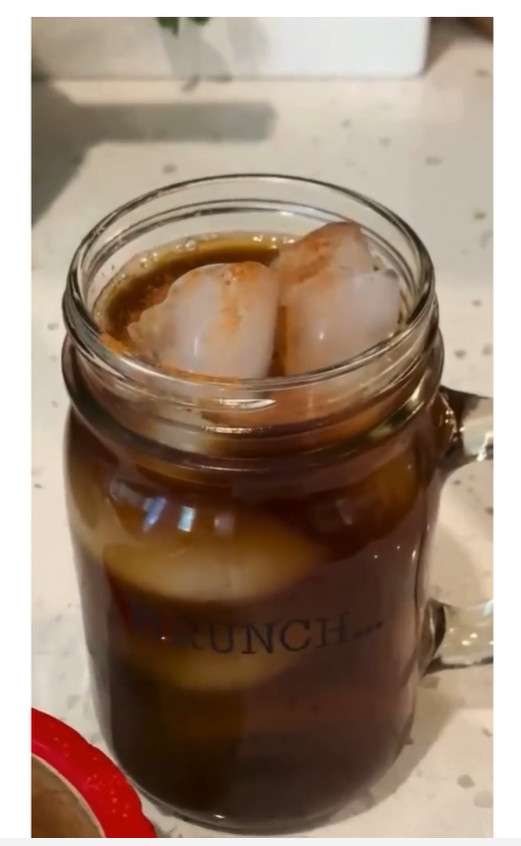
The Truth Behind the Coffee Method for Weight Loss
The Coffee Method for Weight Loss scam is a cleverly orchestrated scheme that lures people in with the promise of effortless weight loss by “tweaking” their morning coffee. Rather than delivering real solutions, it eventually funnels users toward purchasing overpriced and unproven supplements like Java Burn.
1. Outlandish Claims and Hype
The ads shout promises like:
- “Lose 2.2 pounds overnight!”
- “Boost your metabolism by 690%!”
- “Lose 13 pounds per week, guaranteed!”
In reality, these claims are completely unscientific and dangerous. Medical institutions such as the CDC recommend losing only 1–2 pounds per week for healthy and sustainable weight loss. Faster loss often means water weight, muscle loss, or unsafe methods that can damage your metabolism.
2. Fake Media Appearances
Ads often claim the method has been “seen on Fox, ABC, and NBC.” However, this usually just means that ads for the product were purchased on those platforms—not that these news outlets have endorsed or even covered the product.
3. Magical “One Ingredient” Promise
The scam sells the idea that weight loss boils down to adding a “secret ingredient” to coffee. It sounds easy, effortless, and appealing—especially for those struggling with weight loss. But real weight management is influenced by a complex mix of:
- Diet
- Exercise
- Sleep
- Hormones
- Genetics
Adding a mysterious powder to coffee isn’t going to bypass all these critical factors.
4. Never Revealing the “Secret”
When you click on the ads, you’re led to long, drawn-out videos that never actually reveal the “secret ingredient.” Instead, they tell emotional personal stories, show fake testimonials, and create an emotional urgency. The ultimate goal is to pitch you a supplement purchase by the end of the video—not to give you a simple coffee hack.
5. Pushing Supplements Like Java Burn
Instead of disclosing any real “coffee tweak,” the scam pushes supplements like Java Burn. These products claim to accelerate fat burning, but there’s little credible, peer-reviewed research backing up these assertions. Many consumers report seeing no results and struggling with hidden charges and poor customer service.
6. Hidden Charges and Auto-Subscription Traps
Even worse, many victims end up trapped in auto-billing cycles, paying hundreds of dollars for products they didn’t agree to subscribe to. Refunds are often difficult or impossible to obtain.
This blend of emotional manipulation, misleading advertising, and shady business practices is what keeps the Coffee Method scam thriving.
How The Scam Works
Understanding exactly how the Coffee Method scam traps consumers can help you avoid falling victim. Here’s a detailed step-by-step breakdown:
Step 1: Viral Ads Appear
You’ll see slick ads on Facebook, YouTube, Instagram, and TikTok promoting a “coffee hack” that can supposedly trigger extreme weight loss. The headlines are crafted to create immediate curiosity and excitement.

Step 2: Clickbait Leads to Long Sales Videos
Clicking on the ad takes you to a landing page hosting a long video (sometimes nearly an hour!). Throughout the video, they promise to reveal the “secret” but keep delaying it to:
- Build suspense
- Create emotional investment
- Share fake success stories
The psychological goal is to wear down your skepticism and build hope.
Step 3: Emotional Hooks and Manufactured Authority
The videos often:
- Tell emotional personal journeys
- Feature fake “doctor” endorsements
- Reference fake studies
- Show fake media logos (Fox, ABC, NBC)
These tactics establish a false sense of credibility and urgency.
Step 4: No Secret Revealed, Only a Supplement Pitch
Eventually, instead of giving you the “simple coffee tweak,” they claim the only way to access the “coffee method” is by purchasing a supplement like Java Burn. There is no coffee recipe—just a sales funnel.
Step 5: High-Pressure Tactics
You’ll see messages like:
- “Limited supply available!”
- “Only 3 bottles left!”
- “Special pricing expires in 5 minutes!”
These urgency tactics are designed to rush you into buying before you can think critically.
Step 6: Shady Checkout Process
At checkout, key information about recurring charges is buried in the fine print. Many consumers unknowingly agree to monthly subscriptions, leading to unauthorized charges later.
Step 7: Difficult or Impossible Refunds
Once you’ve made a purchase, trying to get a refund is nearly impossible. Customer service numbers go unanswered, emails bounce back, and companies point to hidden “terms and conditions” you allegedly agreed to.
Step 8: Continued Upselling and Data Reselling
After the initial purchase, your data may be sold to other marketers, resulting in endless spam emails and calls promoting additional dubious products.
This multi-stage scam expertly manipulates emotions, exploits hope, and uses misleading tactics to steal money from unsuspecting consumers.
What To Do If You Have Fallen Victim to the Coffee Method Scam
If you’ve fallen for the Coffee Method scam, don’t panic. Here are the steps you should take immediately:
1. Contact Your Bank or Credit Card Provider
- Report the transaction as fraudulent.
- Request a chargeback or dispute.
- Ask to block future charges from the same merchant.
2. Cancel Any Subscriptions
- Look through emails for account login information.
- Cancel any memberships or auto-shipments.
- Notify your financial institution about the scam if you cannot cancel.
3. Document Everything
- Take screenshots of ads, websites, receipts, and emails.
- Save any communication with the company.
- These records can help in disputes or legal actions.
4. Report the Scam
- FTC (Federal Trade Commission) at www.ftc.gov
- Consumer Financial Protection Bureau
- Better Business Bureau (BBB)
- Report ads on the platform where you saw them (Facebook, Instagram, YouTube, etc.)
5. Monitor Your Accounts
- Watch your bank statements closely.
- Be alert for any unusual activity or unauthorized charges.
6. Consider Credit Monitoring
- If you’ve submitted sensitive information, identity theft protection services might be worth considering.
7. Warn Others
- Share your experience on Trustpilot, BBB, Reddit, and social media.
- Posting reviews and comments helps expose scammers.
The faster you act, the better your chances of minimizing financial loss.
The Bottom Line
The Coffee Method for Weight Loss scam is a sophisticated operation built on fake science, emotional manipulation, and misleading marketing. Despite promises of effortless weight loss, there’s no “magical ingredient” you can add to your coffee that will melt away fat overnight.
If it sounds too good to be true, it almost certainly is.
Real, lasting weight loss requires a combination of healthy eating, regular physical activity, and lifestyle changes—not secret powders or miracle coffee hacks.
Stay skeptical. Stay informed. And always dig deeper before trusting your health and money to an “overnight miracle.”
If you found this guide helpful, share it with others. Together, we can shut down these scams one click at a time.

Join the discussion
0 commentsShare your experience or ask a question about this article.
Discussion
Start the conversation
Have a question or something useful to share? Add the first comment.