


The auction catalog shows a painting you like and a reassuring story about where it came from. The story sounds old enough to be difficult to check.
That can be the moment to slow down. A federal counterfeit art case shows what happens when the paperwork is treated as part of the sales pitch.
Overview
The guilty pleas behind the counterfeit art case
Erwin Bankowski and Karolina Bankowska pleaded guilty in New York federal court in April 2026 to conspiracy to commit wire fraud and misrepresenting Native American-produced goods.
The Justice Department’s case announcement says the pair conspired to consign more than 200 counterfeit works. The reported scheme ran from 2020 through 2025.
Prosecutors identified works falsely attributed to artists including Andy Warhol, Pablo Picasso, Banksy, Richard Mayhew, Raimond Staprans, and Luiseño artist Fritz Scholder.
The Justice Department said victims were defrauded of at least $2 million. That is its description of the case, not an amount promised to an individual buyer.
A real auction listing can still point to a false attribution
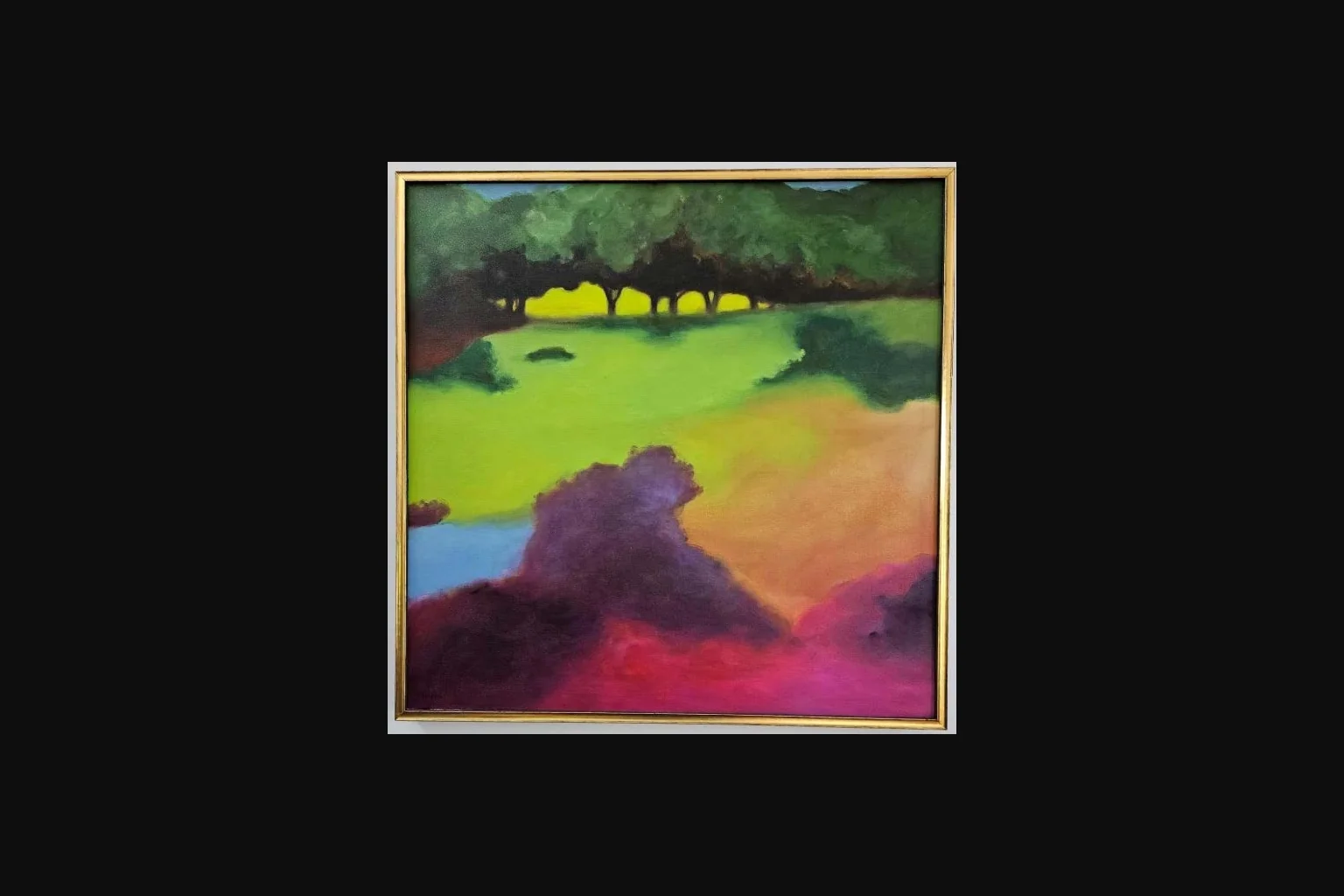
The Guardian’s account describes a work attributed to Richard Mayhew that sold for $160,000. Federal prosecutors identified it as counterfeit and published the image shown above.
The defendants offered the works to real intermediaries. A listing with a genuine auction business therefore answers who took the consignment, not necessarily who created the piece.
The case does not mean the artists, auction houses, or galleries named in the false histories participated in the fraud. The false attributions were the consignors’ deception.
Buyers had two things to assess: whether the object matched an artist’s work and whether the documentation actually traced that particular object. Evidence of one does not resolve the other.
What to ask for before authorizing a bid
Give yourself time to compare records, particularly if the advertised price depends on who made the piece. Ask what the seller is willing to stand behind in writing.
- The artist name and exact attribution wording as it appears in the contract.
- The medium, dimensions, date, edition details if applicable, and useful photographs of both sides.
- Specific records of who held the object, along with dates and references you can check.
- The auction terms for authenticity challenges, written notice, time limits, and supporting opinions.
- An independent expert’s examination when the price or uncertainty makes the extra step worthwhile.
A catalog note that says an object belonged to a private collector may be accurate. Without supporting details, however, you cannot use that note to close a gap in ownership.
How the Counterfeit Art Scam Worked
Step 1: The pieces carried recognizable names
The defendants presented works as products of established artists. The buyers were not simply purchasing decorative objects; the attribution was part of what they were paying for.
The same visual style can show study, influence, imitation, or a deliberate fake. It does not independently prove the person who made the object.
First read what the sale actually calls the item. A reproduction described and priced as a reproduction is not the same offer as an original carrying a valuable name.
In this case the Justice Department identified examples sold under specific artist names and at different prices. The fraud was not confined to a single famous artist or price range.
Step 2: False histories made the works look traceable
Provenance is the history of an object’s custody and ownership. A trustworthy record lets a buyer connect a specific piece to particular people, places, and dates.
Prosecutors said parts of the ownership histories were invented and some gallery marks were forged. References to closed businesses made it harder for buyers to ask the supposed source.
A closed gallery is not evidence of fraud. If the price depends on that link, ask for an independent record that connects the work to the gallery.
Even a stamp from a real gallery tells you only what name appears. Look for dated documents or past listings that identify the exact object.
Step 3: Consignment put a reputable-looking layer around the offer
An auction house can list objects submitted by outside owners. The staff’s ability to inspect a piece and the assurances it offers may differ between sales.
In this case, prosecutors said the false works entered galleries and auction houses through consignment. An ordinary-looking catalog and transaction were part of the path buyers could see.
Read the lot description beside the sale terms. Ask the seller to put any assurance about authenticity in writing and identify the exact lot it covers.
A buyer should be able to identify what the auction house itself investigated. Ask which statements are independent findings and which came from the consignor.
Step 4: Some buyers paid before the claims could be resolved
The government’s examples included a work falsely attributed to Banksy that sold for $2,000 and a piece presented as Mayhew’s that sold for $160,000.
Those figures show why a low price cannot settle authenticity and a high price cannot certify it. Each buyer needs proof about the work in front of them.
The guilty pleas establish what happened in this scheme. If a different purchase looks questionable, save its records before trying to connect it to this case.
An independent expert can disagree with a catalog entry without determining who acted dishonestly. Ask what the expert can establish about the object and where uncertainty remains.
How to Check a Fine Art Listing Before You Pay
Start with the object and a complete written lot description
Open the actual auction house’s site through its verified contact information. Find the auction and lot number, then save the listing, photographs, and purchase terms.
Ask for photographs of the back and any old labels or marks. For a numbered edition, request photos of the numbering and anything that links it to that edition.
Compare the photographs with the exact medium and dimensions in the description. If the image and paperwork describe different works or different sizes, ask for a written correction before bidding.
Save the seller’s original and corrected answers if there is a difference. Do not accept verbal assurances that leave the written description unchanged.
Test one claimed ownership link independently
Write down one specific link the seller says it can prove. This could be a dated exhibition entry, a prior public sale, or a documented shipment between galleries.
Find a contact or archive independent of the seller. Compare the old record’s image, title, medium, size, date, and owner with the item you are considering.
If the gallery closed, ask where its records went. A website repeating the current listing is not independent evidence of where the work used to hang.
If no independent record supports the claim, leave that part of the timeline unverified. Refuse a purchase that depends on certainty the seller cannot back up.
Read how an authenticity objection would be handled
Open the sale conditions before bidding. Find the authenticity terms and note the deadline, the proper recipient of a complaint, and what evidence the seller will consider.
Confirm whether the wording on your chosen lot is covered. A sale may use qualifications such as “attributed to” or “after” rather than making a direct claim about authorship.
If the policy requires expert evidence, ask which kind of independent opinion is accepted and who bears the cost. Compare the answer with the actual contract.
When the seller will not answer or the time given to challenge the claim is impractical, do not ask the price to compensate for that missing protection.
What to Do If You Bought a Counterfeit or Misattributed Artwork
Preserve the piece without making any changes
Save photographs of the front, back, labels, condition, frame, and packaging before moving or altering anything. Keep the invoice and transport paperwork with your records.
Do not remove a mark, clean the surface, or reframe a disputed piece before speaking to an appropriate expert. Make a note of any earlier alterations you know about.
If you are asked to hand it over, confirm who is receiving it and request a written record of its condition and custody.
Give the seller written notice before the deadline
Find the authentication or sale terms you agreed to and record the applicable date and notice method. Use the auction house’s verified contact, not a link someone forwarded afterward.
Identify the lot and the concern without substituting guesses for evidence. Ask what the seller will accept for review and whether it confirms receipt of the notice.
If you paid by card, ask your issuer about dispute timing while you gather evidence. The seller’s review does not necessarily extend the payment provider’s deadline.
Find a specialist who can assess the actual item
Look for a recognized authority on that artist, medium, or edition, independent of the party that sold it. Ask whether the expert verifies attribution or only provides a valuation.
Get the scope, expected time, and cost in writing before shipping or authorizing tests. Ask for a written finding that distinguishes a mismatch from evidence the expert could not obtain.
If the first expert cannot assess that work, request a referral through a museum, artist foundation, or other appropriate institution rather than paying a stranger for an instant certificate.
Report concerns about an existing prosecution separately
If you suspect a connection to this case, open the Eastern District of New York’s Victim Witness page. Give the office docket number 26-CR-90 and identify your purchase.
Ask how it wants you to submit records and how you can verify whether the work relates to the prosecution. Do not send the actual piece without instructions.
Preserve any case response and keep copies of exactly what you supplied. A case reference does not establish a right to reimbursement.
Use the right route for Native American art claims
If the seller falsely represented who produced a work, read the Indian Arts and Crafts Board’s reporting guidance. Check whether its remit covers the claim you saw.
Open the violation report linked there and describe the item, business or listing, location, and specific representation made about its origin. Add the evidence that documents that claim.
Keep a record of the report and the underlying documents. If the issue is a different kind of forgery, follow the ordinary payment or suspected fraud route instead.
Decline offers that promise an easy resale or recovery
Do not sell the object to recover your costs while representing the disputed attribution as settled. Keep the transaction on hold and ask what disclosures are appropriate.
If a stranger offers to recover your bid for a fee, check with the auction house independently. Keep a copy for any later investigation.
Frequently Asked Questions
Is a gallery stamp a certificate of authenticity?
A stamp may point to a past owner or gallery, but it is still something to verify. Ask what outside record connects that gallery to the specific work.
The federal case concerned forged marks as well as false histories. Even a real gallery name did not make the history behind the stamp true.
Does an auction house’s name eliminate the risk of counterfeit art?
An auction catalog can contain a third party’s consignment. Check how the house describes the lot and which statements it made on its own authority.
Read the actual terms and preserve any written response to your questions. A reputation is not a substitute for a guarantee that covers the attribution you are paying for.
Is a reproduction always a fake?
A reproduction honestly offered as a reproduction is not being sold under the same claim as an original. The distinction depends on how the object was presented.
Look at the words the buyer saw and the paperwork attached to the sale. A copied image alone does not tell you what representations were made.
Can I fix the frame or remove an old label?
That can destroy information someone may need to examine. Photograph the work as it is and ask an expert or investigator what may be handled safely.
Keep any labels already detached and make a note of what happened. Do not attach them again to try to recreate the original condition.
Does an expert’s valuation also authenticate the work?
A valuation estimates worth under specified assumptions. An attribution opinion considers who made the object and what supports that conclusion.
Ask the professional which question the report answers. Do not treat a price estimate that assumes authenticity as independent proof of authenticity.
Does the federal case guarantee repayment to all buyers?
A guilty plea establishes a defendant’s responsibility in the case. It does not tell a buyer whether their artwork was involved or how much money they might receive.
Contact the official victim office with the lot and payment records. Keep any auction or payment dispute separate until the appropriate institution confirms what applies.
The Bottom Line
Do not bid on an original if its price depends on a provenance story the seller cannot support. Check the exact object and the written protection attached to it.
If you already paid, preserve the piece, sale paperwork, and listing. Give the auction house timely written notice and seek an independent opinion before moving or altering anything.

Join the discussion
0 commentsShare your experience or ask a question about this article.
Community experiences
Did this happen to you?
Your experience could help someone recognize the same scam. Submit a private report for our team to review.
I experienced this tooReports are reviewed before publication. Sharing publicly is always your choice.
Discussion
Start the conversation
Have a question or something useful to share? Add the first comment.