

Scams have become an unfortunate reality in our digital age, with cybercriminals constantly devising new ways to deceive unsuspecting individuals. One such scam that has gained traction in recent years is the DHL ‘Arrived Cargo’ email scam. This article aims to shed light on this scam, how it works, what to do if you have fallen victim, and provide valuable insights to help you protect yourself from falling prey to such fraudulent activities.
What is the DHL ‘Arrived Cargo’ Email Scam?
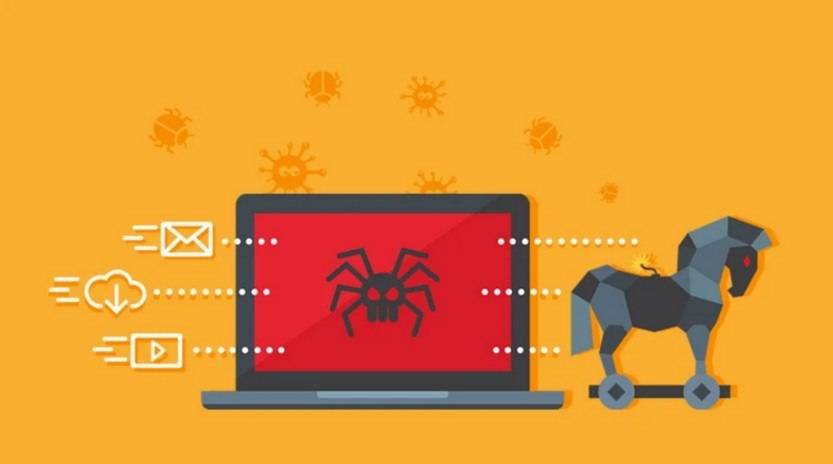
The DHL ‘Arrived Cargo’ email scam is a phishing scam that targets individuals by impersonating DHL, a well-known international courier and logistics company. The scam typically involves sending fraudulent emails to victims, claiming that a package or cargo has arrived and is awaiting delivery. The email often includes a link or attachment that, when clicked or opened, can lead to malware installation or attempts to steal personal information.
How Does the Scam Work?
The DHL ‘Arrived Cargo’ email scam relies on social engineering techniques to trick recipients into taking action. Here is a step-by-step breakdown of how the scam typically unfolds:
- The scammer sends an email that appears to be from DHL, using a spoofed email address that may closely resemble a legitimate DHL address.
- The email subject line often includes phrases like “Arrived Cargo Notification” or “Package Delivery Confirmation” to grab the recipient’s attention.
- The email body contains convincing logos, branding, and language to make it appear legitimate.
- The email informs the recipient that a package or cargo has arrived and provides a tracking number or reference code.
- To create a sense of urgency, the email may claim that failure to take immediate action will result in storage fees or return of the package.
- The email includes a link or attachment that the recipient is instructed to click or open to view the details of the shipment.
- If the recipient falls for the scam and clicks the link or opens the attachment, they may be directed to a fake website that mimics the DHL website or unknowingly download malware onto their device.
- The scammer can then use the obtained personal information for various malicious purposes, such as identity theft, financial fraud, or further phishing attempts.
What to Do If You Have Fallen Victim?
If you have fallen victim to the DHL ‘Arrived Cargo’ email scam, it is crucial to take immediate action to minimize the potential damage. Here are the steps you should follow:
- Disconnect from the internet: If you suspect that malware has been installed on your device, disconnect from the internet to prevent further communication between the malware and the attacker’s server.
- Scan your device for malware: Run a thorough scan of your device using reliable antivirus software. We recommend using Malwarebytes Free, a trusted and effective tool for detecting and removing malware.
- Change your passwords: Change the passwords for all your online accounts, especially those related to banking, email, and social media. Use strong, unique passwords and consider enabling two-factor authentication for added security.
- Monitor your accounts: Keep a close eye on your financial accounts, credit reports, and any suspicious activities. Report any unauthorized transactions or identity theft to the relevant authorities.
- Be cautious of future emails: Exercise caution when receiving emails, especially those requesting personal information or urging immediate action. Verify the sender’s identity and double-check the email’s legitimacy before clicking on any links or opening attachments.
Technical Details of the Scam
The DHL ‘Arrived Cargo’ email scam often utilizes various techniques to deceive recipients and evade detection. Here are some technical details to be aware of:
- Email spoofing: Scammers use email spoofing techniques to make the email appear as if it is coming from a legitimate DHL address. They may manipulate the email headers or use similar-looking domain names to trick recipients.
- Malware distribution: The links or attachments in the scam emails may lead to the download and installation of malware, such as keyloggers, ransomware, or banking trojans. These malicious programs can compromise the victim’s device and steal sensitive information.
- Phishing websites: Scammers often create fake websites that closely resemble the official DHL website. These websites are designed to trick victims into entering their personal information, which can then be used for fraudulent activities.
Statistics on Email Scams
Email scams, including the DHL ‘Arrived Cargo’ email scam, continue to be a prevalent threat. Here are some statistics that highlight the scale of the problem:
- In 2022, the FBI’s Internet Crime Complaint Center (IC3) received over 241,000 complaints related to email scams, resulting in losses exceeding $1.8 billion.
- According to a report by Symantec, 1 in every 412 emails sent in 2022 was a phishing attempt.
- Phishing attacks targeting delivery services, such as DHL, UPS, and FedEx, have increased by 440% in recent years, according to a study by Check Point Research.
Conclusion
The DHL ‘Arrived Cargo’ email scam is a deceptive scheme that preys on individuals’ trust in reputable courier services. By understanding how this scam works and taking necessary precautions, you can protect yourself from falling victim to such fraudulent activities. Remember to be cautious when receiving unsolicited emails, verify the sender’s identity, and avoid clicking on suspicious links or opening attachments. Regularly scan your devices for malware using reliable antivirus software like Malwarebytes Free and stay vigilant to stay one step ahead of cybercriminals.

Join the discussion
0 commentsShare your experience or ask a question about this article.
Discussion
Start the conversation
Have a question or something useful to share? Add the first comment.