

You’ve probably come across those eye-catching ads or videos promoting a “Pink Salt Trick” that supposedly melts away fat almost instantly. These promotions often feature the name of Dr. Casey Means, claiming she supports a miracle weight loss method involving four simple kitchen ingredients—most notably, pink Himalayan salt.
Some headlines go even further, promising dramatic results like losing 53 pounds in just two weeks, or burning 3.3 pounds of fat in 24 hours. But is any of this true?
Spoiler: it’s not. In fact, this scheme is riddled with misinformation, fake endorsements, AI-generated videos, and a shady sales funnel that pushes overpriced, unproven supplements. Let’s break down exactly what’s going on here.
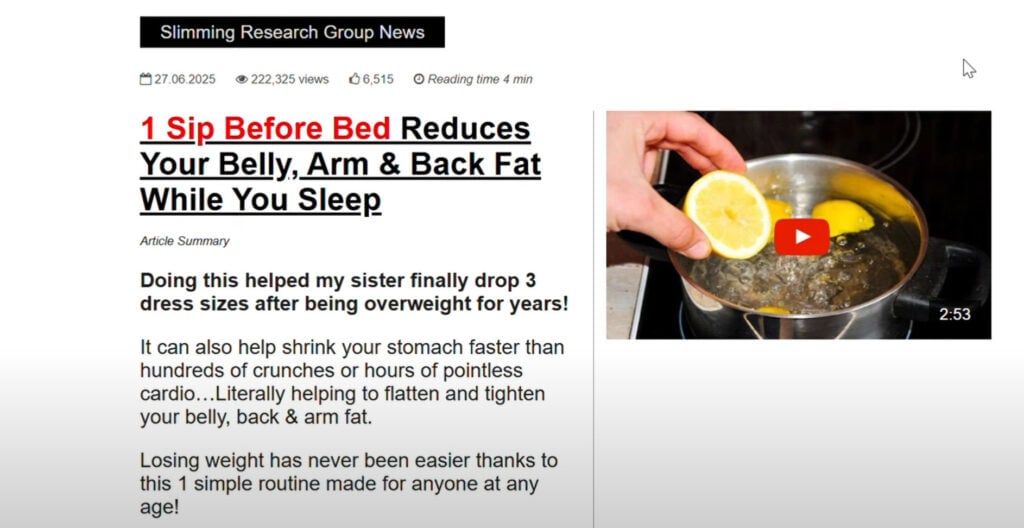
Scam Overview: What Is the Pink Salt Trick?
The “Pink Salt Trick” scam is a deceptive marketing ploy that uses pseudoscience, false authority, and aggressive sales tactics to convince viewers to buy supplements like BurnJaro, Prozenith, or Lean Drops. These products are positioned as the end result of a breakthrough discovery supposedly endorsed by Dr. Casey Means.
Here are the major claims made by the scam:
- You can burn up to 3.3 pounds of fat in 24 hours.
- You only need four common kitchen ingredients to trigger rapid weight loss.
- Harvard and Oxford researchers have confirmed the method.
- Dr. Casey Means discovered or endorsed the trick.
- You’ll lose 50+ pounds in 2–3 weeks without exercise or dieting.
These claims are not just misleading—they are medically impossible and dangerous. Let’s break down why:
1. Extreme Weight Loss in 2 Weeks?
Healthy, sustainable weight loss occurs at a rate of 1–2 pounds per week. Losing over 50 pounds in two weeks isn’t just improbable, it’s a threat to your health. Rapid weight loss like this can lead to muscle loss, dehydration, organ stress, and even heart issues.
2. Guaranteed Fat Burn in 24 Hours
No natural ingredient or combination of household items can burn 3.3 pounds of fat in a single day. The body doesn’t metabolize fat that quickly, and any fast weight loss from these supplements is often water weight, not fat.
3. Fake Endorsements
Dr. Casey Means, a legitimate medical professional known for her work in metabolic health and functional medicine, has publicly disavowed these scams. She has stated clearly on her website that she is not affiliated with any pink salt trick, nor has she endorsed any product like BurnJaro or Lean Drops.
4. No Real Recipe
These ads often tease a simple recipe, supposedly made from four items you already have at home. But after watching an hour-long video, the recipe is never revealed. Instead, you’re directed to buy a bottle of mysterious supplements. This is classic bait-and-switch marketing.
5. Dubious Products
Products like BurnJaro and Prozenith are often marketed with buzzwords like “natural,” “clinically proven,” or “doctor recommended.” But they offer no credible scientific studies, no detailed ingredient list, and no FDA approval. In fact, the FDA doesn’t approve dietary supplements at all.
6. AI-Generated Videos and Stock Photos
Many of the promotional videos include AI-generated voiceovers and deepfake videos claiming to be Dr. Casey Means. The testimonials shown are often stock images or fake identities created using AI tools.
7. Emotional Manipulation
These scams rely heavily on emotional stories, showing dramatic transformations and personal tragedies to build trust. They also use fake news-style formats to mimic legitimate journalism.
The scam is carefully designed to seem credible, but it falls apart under scrutiny. Now let’s explore how it works in detail.
How the Scam Works
Step 1: The Clickbait Headline
You see a headline like “Doctor Reveals Pink Salt Trick to Burn 53 Pounds in 14 Days.” It’s designed to create instant curiosity and urgency. These headlines often appear on social media, native ad platforms, or obscure health blogs.
Step 2: The Fake Authority
The page includes an image or video of Dr. Casey Means and claims she discovered this method. Often, they throw in names of prestigious universities like Harvard or Oxford to sound legitimate. None of these claims are backed by real links or scientific papers.
Step 3: The Video Funnel
Once you land on the sales page, you’re forced to watch a lengthy video. The video uses dramatic music, manipulated testimonials, and fake experts to keep you hooked. It promises to reveal a simple trick, but never does.
Step 4: The Suspense Game
The video teases a home remedy made from pink salt and other common ingredients. But instead of giving you the full recipe, it keeps delaying the reveal while layering in more emotionally charged language and claims.
Step 5: The Product Pitch
Eventually, the video pivots to promoting a supplement—usually BurnJaro, Prozenith, or Lean Drops. These products are presented as the “activated” version of the pink salt trick. They claim you can’t get the full effect without them.
Step 6: High-Pressure Sales Tactics
Once the product is introduced, the page bombards you with urgency:
- “Only 7 bottles left!”
- “Offer expires in 9 minutes!”
- “This video may be taken down soon!”
These are manufactured scarcity tactics designed to manipulate your decision-making.
Step 7: No Transparency
The checkout page provides little or no detail about the product’s ingredients, manufacturer, or contact information. Customer service links are often broken, and return policies are unclear or non-existent.
Step 8: The Subscription Trap
Some users report being enrolled in auto-renewal programs that charge their card every month without clear consent. This is a classic supplement scam tactic.
Step 9: Vanishing Act
After a few months, the website disappears, only to reappear under a new name with a slightly altered pitch and a different fake doctor.
This scam is part of a large-scale marketing network that recycles formats, scripts, and product names to continually trap new victims.
What to Do If You’ve Fallen Victim to the Scam
1. Contact Your Credit Card Provider
Ask to cancel the charge and request a chargeback. Mention that the transaction was deceptive and part of a scam operation.
2. Monitor Your Bank Account
Keep an eye out for recurring charges. These scams often enroll users in automatic billing cycles without clear permission.
3. Report the Scam
File a complaint with these trusted agencies:
- Federal Trade Commission (FTC): https://reportfraud.ftc.gov
- Better Business Bureau (BBB): https://www.bbb.org
- Internet Crime Complaint Center (IC3): https://www.ic3.gov
4. Leave Online Reviews and Warnings
Use platforms like Trustpilot, Reddit, or scam alert websites to warn others.
5. Avoid Clicking on Follow-Up Emails or Ads
Scammers may try to re-target you with more offers or “refund” scams. Do not engage.
6. Use Scam-Reporting Tools
Before making any online purchase, search the product name plus “scam,” “reviews,” or “complaints.” Tools like ScamAdvisor and SiteJabber can help you verify credibility.
7. Change Your Passwords
If you made an account on the scam site or used a reused password, update it on all related platforms.
FAQ: Dr. Casey Means Pink Salt Trick Scam
What is the Pink Salt Trick scam?
The Pink Salt Trick scam is a deceptive online marketing campaign that falsely claims you can lose massive amounts of weight—up to 53 pounds in two weeks—by using a “trick” involving pink Himalayan salt and three other household ingredients. These claims are medically unfounded and used to lure users into purchasing unverified supplements like BurnJaro or Lean Drops.
Is Dr. Casey Means involved in this weight loss trick?
No. Dr. Casey Means has no affiliation with the Pink Salt Trick. Her name and likeness have been used without permission in AI-generated videos and fake endorsements. She has publicly disavowed any connection to these products and warns consumers against such scams on her official platforms.
Does the Pink Salt Trick actually work?
No, there is no scientific evidence that the Pink Salt Trick works for weight loss. The claims of rapid fat burning or guaranteed results are false. The scam never reveals a real recipe and instead redirects users to buy overpriced supplements that lack transparency and proven efficacy.
What supplements are associated with the Pink Salt Trick scam?
The most common products linked to this scam are BurnJaro, Prozenith, and Lean Drops. These supplements are marketed as essential to the trick’s effectiveness, but they offer no clinical backing, no verified ingredient list, and no safety assurance from health authorities like the FDA.
Are the ads and videos for the Pink Salt Trick real?
No. The videos are often generated using AI voiceovers, fake testimonials, and stock footage. They are designed to look professional but lack any credible source or medical verification. Many impersonate Dr. Casey Means using fabricated or altered content.
Can you really lose 53 pounds in two weeks using pink salt?
Absolutely not. This is a dangerous and medically impossible claim. Safe weight loss is generally around 1–2 pounds per week. Promoting extreme and unrealistic results like this is a hallmark of fraudulent health marketing.
What should I do if I bought into the scam?
If you’ve made a purchase or shared personal details:
- Cancel your card or request a chargeback.
- Monitor your account for unauthorized charges.
- Report the scam to the FTC and BBB.
- Avoid responding to follow-up emails or texts.
- Warn others through reviews and online forums.
How can I tell if a weight loss ad is a scam?
Look for these warning signs:
- Unrealistic weight loss promises (e.g., “lose 3 pounds a day”).
- Fake or untraceable endorsements from doctors or universities.
- Vague ingredient details or scientific claims.
- Pressure tactics like countdown timers or “limited stock” alerts.
- Lengthy videos that never deliver on their promises.
Has this scam been reported before?
Yes. Variants of this scam using different doctors’ names and altered product packaging have been circulating for years. They all follow the same pattern: clickbait headline, fake video, emotional pitch, and high-priced supplement sale.
Can I get a refund for a scam supplement purchase?
In some cases, yes. If you used a credit card, you may be eligible for a chargeback. Contact your bank immediately and explain that the transaction was part of a deceptive marketing scam. Do not rely on the product website’s refund policy, which is often fake or non-functional.
The Bottom Line
The Dr. Casey Means Pink Salt Trick is not a real health discovery—it’s a fabricated sales pitch designed to deceive, pressure, and defraud consumers. Dr. Casey Means has no affiliation with this scam, and the products involved are unregulated, unproven, and overpriced.
If something sounds too good to be true, especially in the world of weight loss, it usually is. There is no magic trick for safe, sustainable fat loss. Always consult a licensed medical professional before starting any new health regimen, and avoid miracle cures promoted through suspicious marketing channels.
Stay informed. Stay skeptical. And protect your health and money from deceptive weight loss scams.

Join the discussion
0 commentsShare your experience or ask a question about this article.
Discussion
Start the conversation
Have a question or something useful to share? Add the first comment.