

A doctor walks into a familiar television studio with an intimate problem and an answer that supposedly leaves the investors speechless. Her name is Julia Caldwell.
The pitch feels reassuringly public for something many men would rather research privately. But the most important part isn’t what the investors appear to say.
Overview
The television doctor is the sales hook
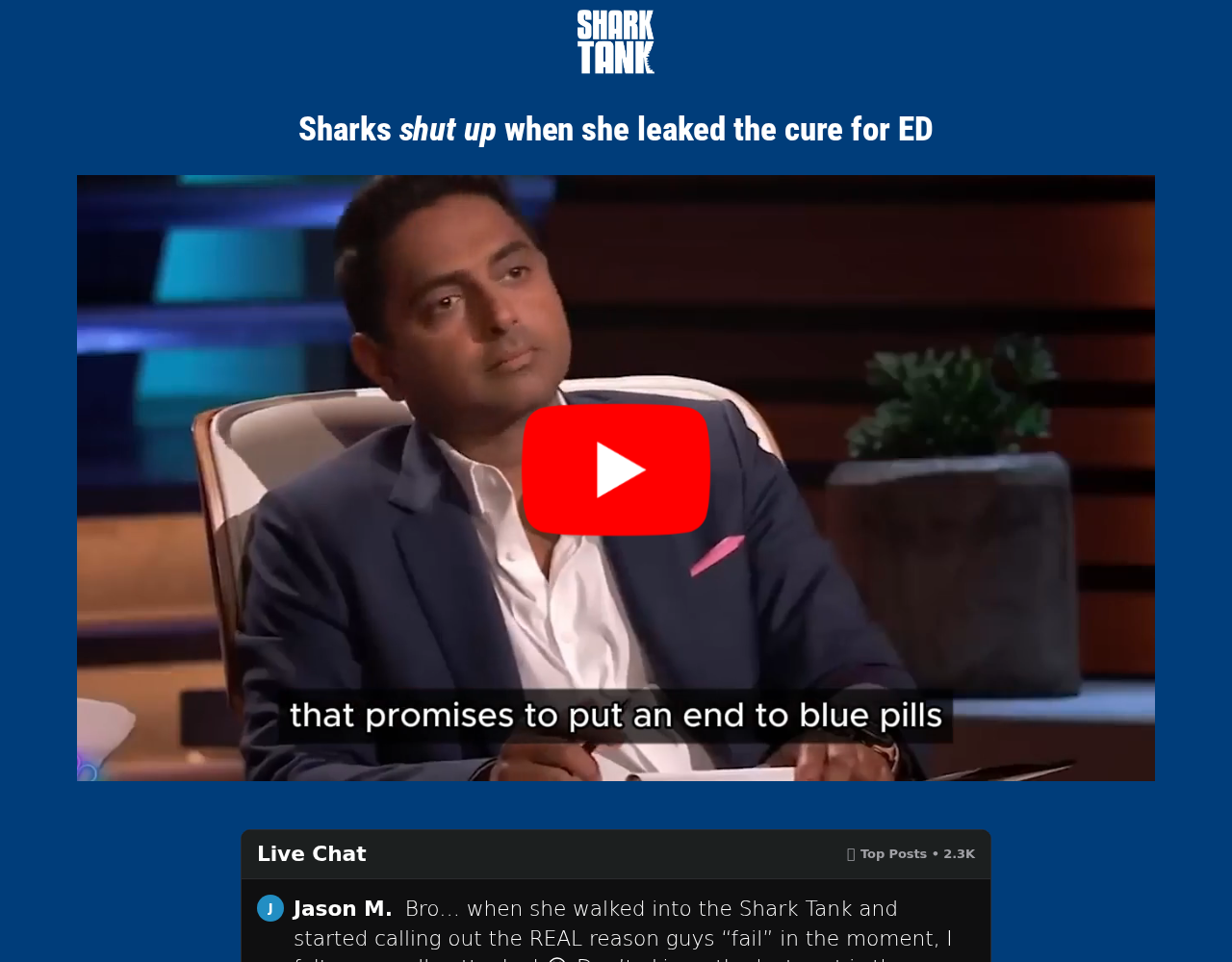
The Julia Caldwell campaign presents an apparent urologist unveiling a breakthrough for erectile dysfunction. Prestigious medical institutions and a Shark Tank investment supply the credibility.
Versions of the story have promoted different products. Hunter Caps appears in one documented promotion; a current sales page tells the Caldwell story about Men’s Growth.
That change is why this article follows the purported doctor and television narrative, rather than treating one bottle name as the whole problem.
Men’s Growth receives a separate product investigation. A delivered supplement would not make the televised endorsement authentic.
The strongest claims do not survive basic checks
The current Men’s Growth page invokes Caldwell, a supposed advanced Harvard qualification, and a $1 million investment attributed to Lori Greiner.
It also presents the supplement as FDA-approved. The FDA explicitly explains that it does not approve dietary supplements before they enter the market.
ABC’s published Shark Tank product list does not identify this formula. ABC also warns that merchants misuse the show and its investors in advertisements.
A missing listing alone isn’t the entire case. Combined with the unverified doctor biography and false supplement-approval framing, it gives buyers concrete reasons to reject this presentation.
The person in an advertisement is not automatically a treating physician
- A white coat does not authenticate a medical license.
- University names do not document clinical research on the advertised formula.
- A simulated investment discussion does not establish a television appearance.
- Impressive percentages need a published study and a clearly defined outcome.
- People sharing the Caldwell name should not be blamed for an advertising persona.
Do not order because you think this doctor and the Sharks have already verified the treatment. That is precisely the trust the campaign tries to borrow.
Why This Story Targets a Private Worry
Many people researching erectile problems are not looking for excitement. They want an explanation that feels manageable, discreet, and less awkward than a medical appointment.
The Caldwell narrative meets that need with a confident expert who supposedly understands what ordinary doctors missed. The viewer doesn’t have to describe symptoms or answer questions.
Instead, the advertisement supplies a ready-made diagnosis and moves straight to a purchasable solution. That feels efficient, but it removes the evaluation that makes treatment appropriate.
A television set adds emotional protection. If a nationally known investor appears comfortable with the claim, buying can feel less like taking a personal risk.
The campaign also frames recovery as a way to restore confidence and relationships. That can make the cost seem small compared with the embarrassment being described.
None of those feelings is foolish. The manipulation lies in using them to replace verifiable credentials, authentic broadcasting, and evidence about a specific treatment.
How the Julia Caldwell Shark Tank Scam Works
Step 1: A dramatic medical reveal earns your attention
The opening resembles a surprising television moment rather than an ordinary supplement commercial. A presenter introduces a discovery, and the apparent doctor takes control of the explanation.
Some versions connect the story with well-known universities. Others emphasize an unusually successful research result or an invention that established treatments allegedly cannot match.
The impression is that you are watching something already scrutinized in public. In reality, an advertisement can imitate that scrutiny without providing it.
Before following the reveal, ask one simple question: where can the complete, original episode be watched through the broadcaster’s own service?
Step 2: A stack of credentials makes checking feel unnecessary
The Caldwell persona has been presented with different combinations of university training and medical expertise. The current page attaches a Harvard-related qualification to its account.
Every institution adds another apparent reason to believe. Together, the names can make a reader feel that somebody else must already have checked the biography.
But several unsupported credentials do not corroborate one another. They remain separate claims requiring a professional record that matches the actual person and advertised role.
A genuine physician can usually be identified through a practice, institution, licensing authority, or published professional history. An advertising biography alone is not that record.
Step 3: Familiar investors appear to validate the breakthrough
The story shifts from medical authority to commercial approval. In the Men’s Growth version, Lori Greiner supposedly recognizes the opportunity and invests $1 million.
A reaction shot, studio backdrop, and neatly edited conversation can create the impression of a real deal. None establishes the source or context of the footage.
Modern manipulation may involve synthetic speech, altered faces, edited clips, or combinations of techniques. Identifying the exact production tool isn’t necessary to reject an unauthenticated episode.
Check the alleged appearance through ABC’s own Shark Tank resources. An advertiser’s embedded clip cannot authenticate itself.
Even a genuine studio clip would not authenticate replacement dialogue, the formula advertised later, or a supposed investment in that formula.
Step 4: A tidy explanation replaces a medical assessment
The current page tells a simplified story about arterial damage and buildup. It uses that explanation to position one formula as the answer to erectile problems.
Blood flow can be relevant to erectile dysfunction. That does not establish this person’s biography, this supplement’s performance, or the claim that one cause explains every case.
Medical explanations become misleading when a true general concept is treated as proof for an untested commercial conclusion.
The advertisement never examines your medications, cardiovascular health, symptoms, or other circumstances. It cannot know why you are experiencing a problem.
Step 5: The supposed discovery turns into a package choice
Once the story has supplied trust, the page presents quantities and prices. At that point, the buyer may focus on value rather than whether the premise was genuine.
A multi-bottle package can appear more sensible when the preceding story has already convinced you that the formula works.
Keep the claim and transaction separate. An attractive unit price does not answer whether you should buy any bottles.
Nor does a bundle establish a subscription. Check the exact agreement instead of assuming that every version of the Caldwell promotion uses the same billing arrangement.
Step 6: Another product can inherit the same apparent expert
The persona is reusable. A different label can be placed at the end of a familiar story about a brilliant doctor and astonished investors.
That does not prove that every brand, affiliate, or merchant involved shares ownership. It does mean a new product name doesn’t fix the borrowed credentials.
MalwareTips already examines Hunter Caps and the fake men’s wave-therapy television pitch. Those related cases are not evidence that every product is identical.
The durable warning is narrower and stronger: refuse a medical purchase whose credibility depends on an unverified doctor and a counterfeit endorsement story.
How to Check the Doctor Without Accusing an Unrelated Person
Start with the exact credential, not the name alone. A real person called Julia Caldwell may have no connection to the clip you watched.
Record the institution, claimed specialty, professional location, and any registration details. These should identify one consistent professional history.
A university homepage proves that the university exists. It does not prove that the advertised person graduated there or that the institution evaluated the product.
Likewise, a real research paper on circulation doesn’t authenticate a doctor’s involvement. The paper’s authors, intervention, participants, and measured outcomes must match the claim being made.
Be especially wary of biographies that grow more impressive as they move between pages. A different degree or institution needs explanation, not another trust badge.
Do not contact unrelated clinicians, relatives, or people found through social searches. Report the advertisement to the platform and ask the seller to substantiate its own claims.
There is no need to prove that nobody with that name exists. The advertiser must establish the specific identity it is using to sell treatment.
What the FDA Claim Gets Wrong
FDA approval is not a decorative expression meaning that a product is sold legally or made in a facility with paperwork.
The FDA’s explanation of approval makes the distinction clear: dietary supplements are not approved for safety and effectiveness before marketing.
A supplement seller cannot turn that process into drug approval by putting the words beside a bottle or a supposed doctor’s photograph.
Facility registration, ingredient research, third-party testing, and product approval answer different questions. A claim about one does not establish the others.
If a formula is being promoted as a treatment, ask for the actual approval record and exact authorized use. Do not accept an unrelated certificate.
False approval language is a substantive problem even if the capsules eventually arrive. The buyer was encouraged to believe a review had happened that the claim cannot substantiate.
The Health Issue Deserves Better Than an Advertisement
Erectile dysfunction can involve blood vessels, nerves, hormones, medicines, emotional factors, or a combination. It is not a judgment about someone’s masculinity.
The NIDDK’s patient information describes medical evaluation and established treatment options. That is a better starting point than an apparent television miracle.
A clinician can review symptoms privately and explain what testing, if any, is appropriate. You do not need to arrive with a diagnosis.
Do not stop prescribed treatment because a sales video says ordinary care only hides the problem. That contrast is a selling device, not individualized advice.
Before trying a supplement, show its complete label to a pharmacist or clinician, particularly if you take prescription medicines.
Unknown ingredients or missing amounts make that conversation harder. No-side-effect promises should not replace the actual information needed to judge personal risk.
What to Do if You Have Fallen Victim to This Scam
-
Preserve the claimed episode. Keep the page address, advertiser name, video, product label, supposed credentials, investment claim, and any approval statement.
Capture the connection between the video and order page. That link helps explain why the endorsement influenced your purchase.
-
Identify your actual order. Use the confirmation email and card statement to establish the merchant, quantity, amount, payment service, and date.
The fake doctor’s name may not appear anywhere in the transaction. Do not rely on it to locate the party that can cancel an order.
-
Ask for cancellation or return instructions immediately. State that the order followed an unauthenticated medical and television endorsement. Request the applicable deadline and written refund terms.
If you are told to return bottles, obtain authorization and the destination first. Keep tracking and proof of what was sent.
-
Escalate a misleading sale through your payment provider. Explain the specific claim, not simply that the advertisement looked suspicious.
Provide the saved pitch and seller response. Ask about dispute deadlines and any separate recurring authorization recorded on the account.
-
Get appropriate health advice. Do not increase a dose to reproduce a testimonial. Ask a pharmacist about the label and contact a clinician for persistent symptoms.
If a product causes a serious reaction, seek urgent medical care and retain its packaging, lot number, and ingredient information.
-
Report the impersonation and address actual digital exposure. Notify the advertising platform and broadcaster using their genuine reporting channels.
If you installed a download from the funnel, use Malwarebytes to check it. AdGuard can help reduce malicious ads; neither service verifies a doctor’s credentials.
Someone promising a guaranteed refund for an upfront payment is not a safe shortcut. Keep the recovery process with your merchant, payment provider, and appropriate authorities.
Frequently Asked Questions
Is Dr. Julia Caldwell a verified Shark Tank urologist?
The advertised identity and television role have not been authenticated. Do not confuse that finding with a claim about every real person who has the same name.
Did Lori Greiner invest $1 million in the advertised formula?
The sales page makes that claim, but no matching official appearance establishes it. Treat it as an unsupported promotional story, not a verified investment.
Why does the same doctor appear with different products?
An advertising persona can be reused across sales funnels. Product rotation makes checking the claimed episode and credentials more useful than memorizing one bottle label.
Does FDA-approved wording make the supplement trustworthy?
No. The FDA does not approve dietary supplements before marketing. That wording cannot substitute for evidence about the exact formula or its medical claims.
Does the fake advertisement prove that the bottle contains something dangerous?
No. Advertising deception and product composition are separate findings. Keep the full label and seek qualified advice rather than assuming contents from a video.
What should I do if the product arrived?
Preserve the packaging and advertisement, request the written return procedure, and explain any material misrepresentation to your payment provider before its deadline expires.
The Bottom Line
Do not buy an erectile-dysfunction product because the Julia Caldwell video appears to show a doctor winning over Shark Tank investors.
The unverified biography, unsupported investment narrative, and false supplement-approval framing are reasons to reject the pitch, not reasons to postpone legitimate medical care.
If you ordered, use the real transaction record to pursue cancellation or a refund. The advertising persona is not your doctor or your recovery contact.

Join the discussion
0 commentsShare your experience or ask a question about this article.
Discussion
Start the conversation
Have a question or something useful to share? Add the first comment.