

A familiar face in a white coat leans toward the camera and says the medical establishment has overlooked a simple way to control diabetes. The presentation feels urgent, personal, and just technical enough to sound convincing.
Then the story turns toward a bottle of drops or capsules. The viewer is told that a rare herb can address the hidden cause of unstable blood sugar, often without the medication, diet, or long-term care that doctors normally recommend.
Our investigation followed the fake doctor story, the current Blood Sugar Ultra sales page, the Flexavida company details, the guarantee language, and the claims that could place a person with diabetes at real risk.
Overview
The campaign sells hope through an unverified medical authority
One version of the promotion introduces a man as Dr. Paul Donnelly and presents him as a diabetes expert with insider knowledge. We could not verify the identity, credentials, institution, or published research described in the sales story.
That matters because the doctor is not a decorative detail. His supposed authority is the bridge between a serious medical condition and a commercial supplement offer. Without a verifiable expert, the viewer is being asked to trust a character created by the advertising.
The current product page makes broad blood-sugar claims
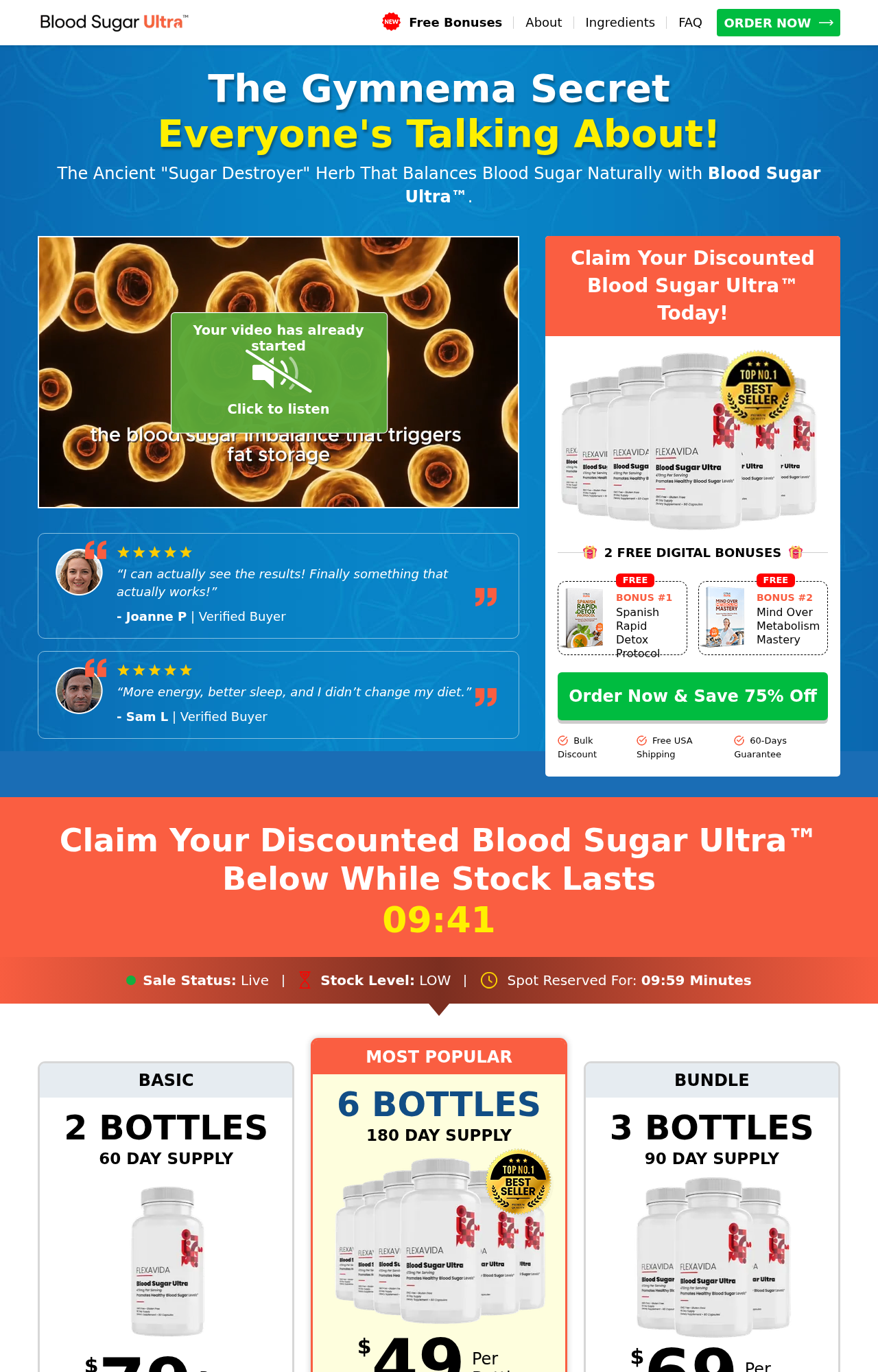
The live page promotes Blood Sugar Ultra under the Flexavida name. It calls Gymnema an ancient “sugar destroyer” herb, says the formula balances blood sugar naturally, and presents bottle bundles beside testimonials, countdowns, bonuses, and a 75% off button.
The page also says the product is made in an FDA-registered, GMP-certified facility. Those phrases do not mean the FDA approved the formula, tested its effectiveness, or confirmed that it can treat diabetes.
This is not a confirmed subscription offer, but the medical pitch is still dangerous
The current Blood Sugar Ultra page expressly says there are no subscriptions, auto-refills, or hidden charges. We found no reliable evidence that this exact offer automatically enrolls every buyer in recurring billing, so it would be inaccurate to label it a confirmed refill trap.
The larger concern is the treatment narrative. A supplement pitch that suggests diabetes can be reversed or controlled through a secret drop may persuade someone to delay testing, stop prescribed medication, or ignore worsening symptoms.
- The promotion uses an unverified doctor character to sell authority.
- The current product is sold as Flexavida Blood Sugar Ultra.
- The page promotes two, three, and six-bottle bundles.
- The six-bottle option is marked as the recommended or most popular choice.
- The seller currently denies subscriptions and automatic refills.
- The product page displays a 60-day guarantee.
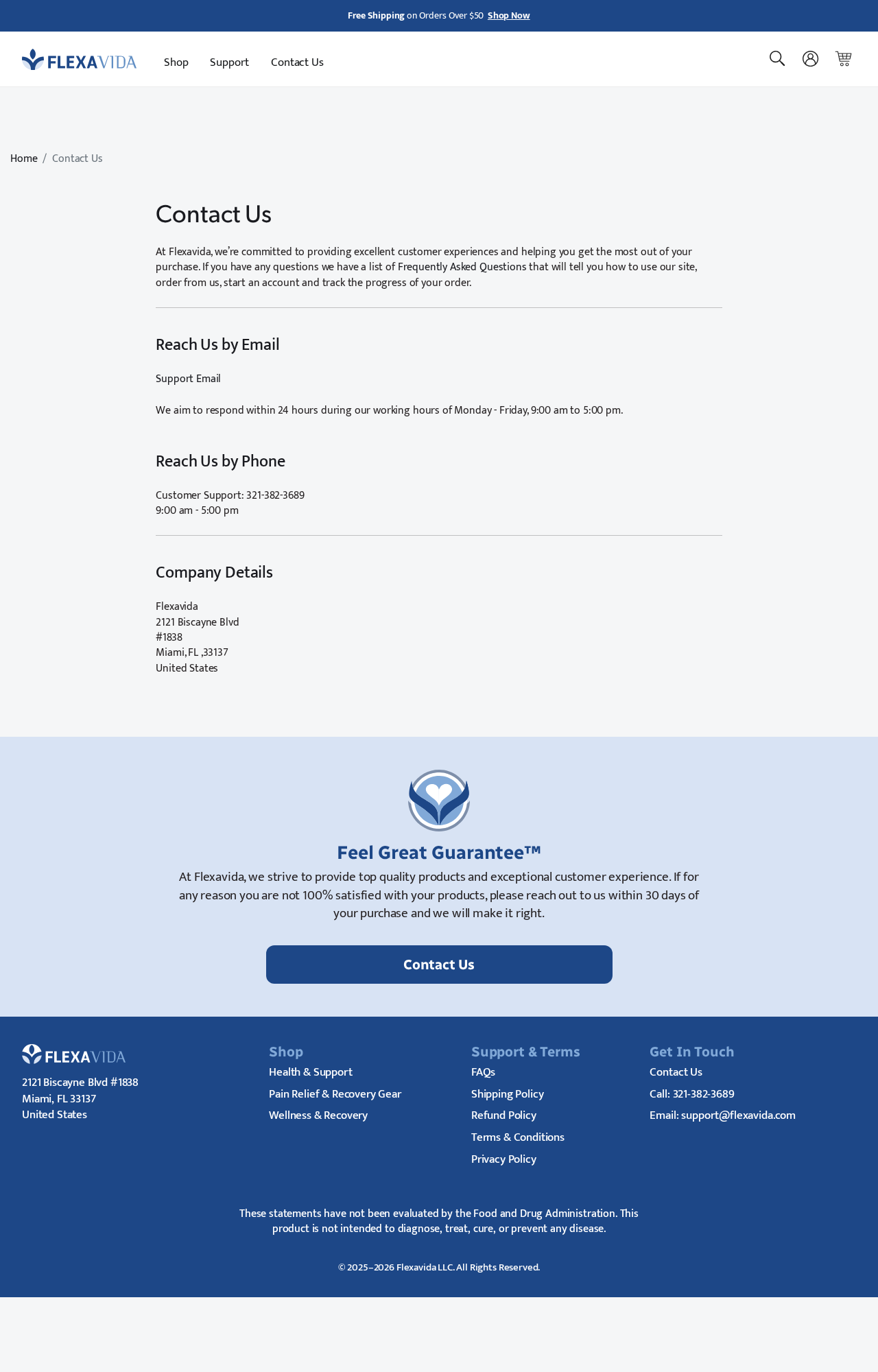
- The connected Flexavida contact page displays a 30-day guarantee.
- The product has not been shown to reverse type 2 diabetes.
What the Fake Diabetes Doctor Story Claims
The story is designed around a painful truth: managing diabetes can be exhausting. Checking glucose, planning meals, taking medication, attending appointments, and worrying about complications creates exactly the kind of frustration that a “one overlooked cause” narrative can exploit.
The presenter suggests that conventional treatment focuses on numbers while ignoring the real reason sugar remains in the bloodstream. A plant extract is then positioned as the missing key, sometimes with language about blocking sugar absorption, restoring insulin sensitivity, or ending the cycle at its source.
Those are medical claims, even when they are wrapped in testimonials and natural-health language. A seller cannot turn a treatment claim into a harmless wellness claim simply by placing a small disclaimer at the bottom of the page.
The page describes Gymnema sylvestre, cinnamon, bitter melon, banaba, alpha-lipoic acid, and magnesium. Some ingredients have been studied for metabolic effects, but research on an ingredient does not prove that this finished formula produces a clinically meaningful result at the dose provided.
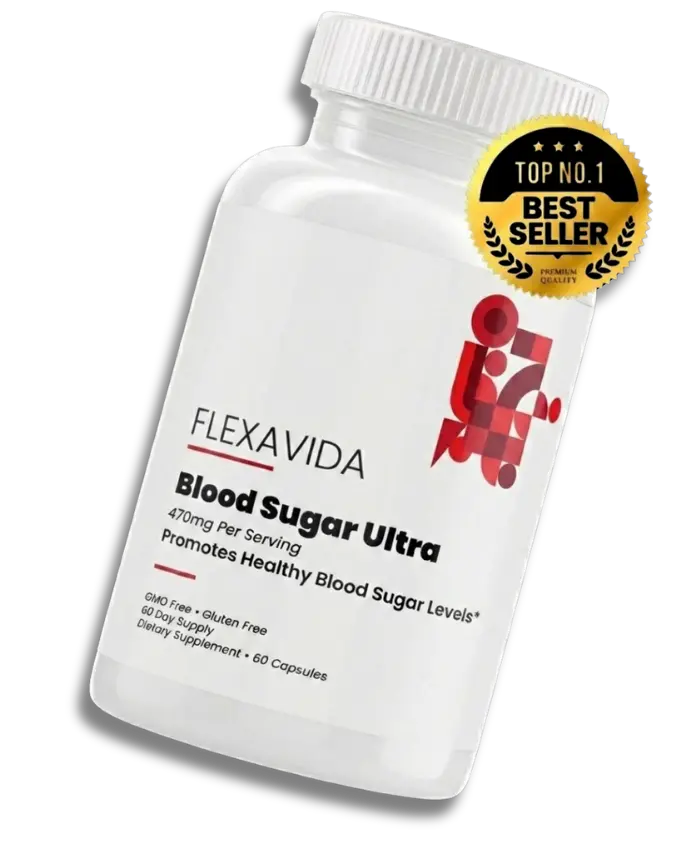
A credible evaluation would require a readable Supplement Facts panel, exact doses, manufacturing traceability, contaminant testing, interaction warnings, and controlled studies on the finished product. A collection of ingredient summaries is not a substitute for that evidence.
The most troubling leap is from “may support healthy glucose metabolism” to an implied cure or reversal. The FDA warns consumers about illegally marketed diabetes products that claim to lower blood sugar or replace approved treatment.
Diabetes treatment is individualized. A product that changes glucose can also interact with prescribed medicine and contribute to hypoglycemia. A product that does nothing can be equally dangerous if it gives the user false confidence while high blood sugar continues damaging the body.
Blood Sugar Ultra Pricing and Guarantee Conflicts
The sales page strongly steers visitors toward multiple bottles. It uses a “best seller” seal, free bonuses, a low-stock message, a countdown timer, and a per-bottle price that looks most attractive on the largest bundle.
Bundle pricing is not automatically deceptive. The concern is how urgency and health anxiety can push a person into buying months of an unproven product before they have evaluated one bottle or discussed the ingredients with a clinician.
The current offer says it is a one-time purchase. Shoppers should still save a screenshot of that statement, the final cart, the total charge, and the merchant name. Advertising and checkout terms can change, and the card descriptor may not match the product name printed on the bottle.
There is also a visible guarantee conflict. The Blood Sugar Ultra page advertises 60 days, while the connected Flexavida contact page promotes a 30-day “Feel Great Guarantee.” A buyer should not guess which promise controls the order.
Before paying, ask support to confirm in writing whether the refund window starts on the purchase date or delivery date, whether opened bottles qualify, whether empty containers must be returned, who pays shipping, and where the return must be sent.
How the Fake Doctor Diabetes Drops Scam Works
Step 1: A social media video targets fear about diabetes
The ad often opens with a warning that a common food, morning habit, or hidden toxin is keeping blood sugar high. It may imply that pharmaceutical companies and ordinary doctors do not want patients to learn the truth.
This creates a closed information loop. If a physician disagrees, the ad has already trained the viewer to interpret that disagreement as proof of a cover-up rather than a reason to demand better evidence.
Step 2: A fabricated or unverified expert supplies credibility
The presenter is given a professional title, a sympathetic backstory, and a connection to a respected hospital or research program. Logos, medical graphics, laboratory footage, and white coats make the claim feel institutional even when the institution never endorsed it.
Scammers increasingly use AI-generated voices, face replacement, stock actors, and synthetic interview clips. A natural voice and convincing lip movement do not establish that the named expert exists or said those words.
Step 3: The video promises a hidden root-cause discovery
The story avoids beginning with the product. Instead, it spends time explaining why diet plans, exercise, medication, and standard advice supposedly fail. That keeps the viewer watching and makes the final supplement feel like the conclusion of an investigation.
The explanation is usually simple enough to remember but vague enough to resist testing. Terms such as sugar destroyer, metabolic switch, insulin reset, or ancient remedy sound scientific without defining a measurable clinical outcome.
Step 4: Testimonials make exceptional results look ordinary
Before-and-after stories describe lower readings, weight loss, more energy, and freedom from medication. The viewer is rarely shown medical records, baseline measurements, concurrent treatment, adverse effects, or a method for verifying the people pictured.
Even a genuine customer story would not prove a product caused the result. Diabetes numbers can change because of medication, illness, weight loss, diet, activity, sleep, stress, or measurement timing.
Step 5: The funnel moves to a supplement bundle
After the long presentation, a product page introduces a bottle and several packages. The largest package receives the strongest visual emphasis, the lowest per-bottle figure, and extras such as digital guides or free shipping.
Blood Sugar Ultra currently offers a one-time transaction rather than a disclosed refill plan. The pressure mechanism is therefore the bulk order, not a proven recurring subscription. Six bottles can still represent a substantial commitment to a formula the buyer has never tried.
Step 6: Timers and stock messages push the buyer to act
A countdown says the reservation will expire, a stock bar says supply is low, or a discount is framed as available only today. Reloading similar funnels often restores the pressure, which is a strong reason not to treat the timer as an independent inventory record.
A legitimate health decision should survive a pause. If an offer discourages the buyer from checking the doctor, ingredients, interactions, return policy, and company, the urgency benefits the seller rather than the patient.
Step 7: Conflicting policies complicate a refund
A customer may remember the large 60-day badge but later find a company page referring to 30 days. Support may also request an order number, returned bottles, tracking, or a return authorization that was not prominent in the advertisement.
That does not prove every refund will be denied. It means the buyer must preserve the exact promise shown at purchase and act quickly if the product is unwanted, delayed, damaged, or materially different from the offer.
Why the Health Claims Deserve Serious Skepticism
Type 2 diabetes can sometimes go into remission, particularly after substantial sustained weight loss and under medical supervision. That is not the same as a supplement reversing diabetes through a secret mechanism.
Blood glucose readings are also easy to misuse in advertising. A single reading before and after a meal cannot establish long-term control. Clinicians use patterns, A1C, medication history, symptoms, and other measurements to understand whether treatment is working safely.
The product’s small-print disclaimer says it is not intended to diagnose, treat, cure, or prevent disease. That disclaimer conflicts with any video or advertorial that leads a reasonable viewer to expect diabetes reversal or freedom from prescribed medicine.
Never stop insulin, metformin, or another prescribed treatment because of an online testimonial. Sudden medication changes can produce dangerous hyperglycemia, ketoacidosis, hypoglycemia, or other complications depending on the medicine and the person’s condition.
Company, Address, and Fulfillment Checks
The product brand is not the fake doctor
The campaign character, the affiliate placing an ad, the Flexavida storefront, the payment processor, and the manufacturer may be different parties. We found no reliable evidence that the person presented as Dr. Paul Donnelly is a verified medical spokesperson for Flexavida.
That distinction matters. It is fair to describe the advertisement as deceptive when it invents authority, but it is not fair to claim every company in the payment chain created the video without evidence.
The listed address looks like a contact point, not proof of manufacturing
Flexavida lists 2121 Biscayne Boulevard #1838, Miami, Florida 33137. A suite or mailbox address can receive correspondence and returns, but it does not demonstrate that supplements are formulated, bottled, tested, or stored there.
Ask for the legal entity on the receipt, the manufacturing facility, country of manufacture, lot number, certificate of analysis, and return destination. If support cannot connect those details to the exact bottle, the supply chain remains unclear.
The phone and email should be tested before ordering
The contact page displays 321-382-3689 and support@flexavida.com. Call before paying and ask the agent to name Blood Sugar Ultra, confirm whether the transaction is one-time, state the final total, and explain the refund window.
A working number is useful, but it is not a scientific endorsement. Save the response in writing because a verbal promise is difficult to prove during a later billing or return dispute.
Mass-produced supplements require traceability, not assumptions
Many online supplements are produced by third-party contract manufacturers. That is common and does not prove a product comes from China, is counterfeit, or is unsafe. The problem begins when the seller does not clearly identify who made the finished bottle or provide reliable batch testing.
Do not accept “FDA registered” as a quality certificate. Dietary supplements are not preapproved by the FDA for effectiveness before sale. Without traceable manufacturing and testing, buyers cannot independently verify identity, strength, contamination, or consistency.
What to Do if You Have Fallen Victim to This Scam
- Do not change diabetes treatment on your own. Contact the clinician who manages your diabetes, explain what you took and how much, and share the full ingredient label. Seek urgent care for severe weakness, confusion, vomiting, trouble breathing, very high readings, or symptoms of dangerously low glucose.
- Monitor glucose according to your medical plan. Record readings, symptoms, doses, and the time the supplement was taken. This helps a clinician identify possible interactions or unsafe changes.
- Save the entire order record. Keep the ad, product page, 60-day guarantee, checkout total, confirmation email, receipt, shipping label, bottle, lot number, and card descriptor. Do not rely on the page remaining online.
- Request cancellation or a refund in writing. Email support@flexavida.com and state exactly what you want. Include the order number and ask for a written return authorization, destination, deadline, and confirmation that no future billing is attached.
- Watch the payment account. The current page says the order is not a subscription, but review statements for unexpected charges. If an unauthorized charge appears, dispute it promptly with the card issuer and provide the saved one-time-purchase disclosure.
- Report deceptive medical claims. US consumers can report the ad to the FTC at ReportFraud.ftc.gov and unsafe supplement claims or reactions to the FDA through the Safety Reporting Portal.
- Secure any device used through a suspicious ad. Run a scan with Malwarebytes if the funnel downloaded a file, requested a browser extension, or redirected through suspicious pages. AdGuard can reduce malicious advertising and tracking, but it cannot make a questionable supplement safe.
- Warn relatives without blaming them. These funnels are built around fear, fatigue, and professional-looking video. A calm explanation is more useful than embarrassment and makes it more likely the victim will share all order and medical details.
Frequently Asked Questions
Is Blood Sugar Ultra a scam?
The supplement is a real product offered for sale, but the fake or unverified doctor story and implied diabetes-reversal claims are serious red flags. We found no reliable evidence that the finished product cures or reverses type 2 diabetes.
Is Dr. Paul Donnelly a real diabetes expert?
We could not verify the identity, credentials, institutional role, or research history described in the promotion. Do not rely on a name and white coat. Verify professionals through licensing boards, hospital directories, and published research.
Does Blood Sugar Ultra automatically subscribe buyers?
The current product page says no subscriptions, auto-refills, or hidden charges. We found no sufficient evidence to contradict that statement for this exact offer. Save the disclosure and final checkout because terms can change.
Can Gymnema reverse diabetes?
No credible evidence shows that Gymnema or this supplement reverses diabetes. Some ingredients have been researched for metabolic effects, but that does not establish the effectiveness, dose, or safety of the finished formula.
Is an FDA-registered facility the same as FDA approval?
No. Facility registration does not mean the FDA approved the product or confirmed its claims. Dietary supplements generally reach the market without preapproval for effectiveness.
How can I cancel or request a refund?
Contact support@flexavida.com promptly and preserve the message. Ask which guarantee applies, whether opened bottles qualify, where returns go, and what proof of delivery is required. If the merchant does not honor the documented terms, contact the card issuer.
The Bottom Line
The fake doctor diabetes drops story turns a complex disease into a simple secret and then turns that secret into a bulk supplement order. The current offer is not a confirmed subscription trap, but its unverified authority, aggressive claims, urgency, and conflicting guarantees make it an offer to approach with extreme caution.
Diabetes deserves real testing and individualized care. Do not replace prescribed treatment with an online bottle, and do not let a countdown prevent you from verifying the doctor, formula, company, and refund terms first.








