


A call appears to come from the Korean consulate in Chicago. The person says your passport has turned up in an investigation in Korea.
Then someone else calls with documents that make the story look official.
Overview
The first call used a real consulate’s identity
A family in the US reported that several relatives received calls appearing to come from the Korean Consulate General in Chicago. The callers claimed there was a criminal investigation.
They said an arrested person had been found with a passport belonging to the recipient. The recipient was told to prove they were a victim of identity theft.
The reported sequence involved a second call from a Korean number and a website displaying supposed arrest and secrecy documents. Those details made one claim seem to confirm the other.
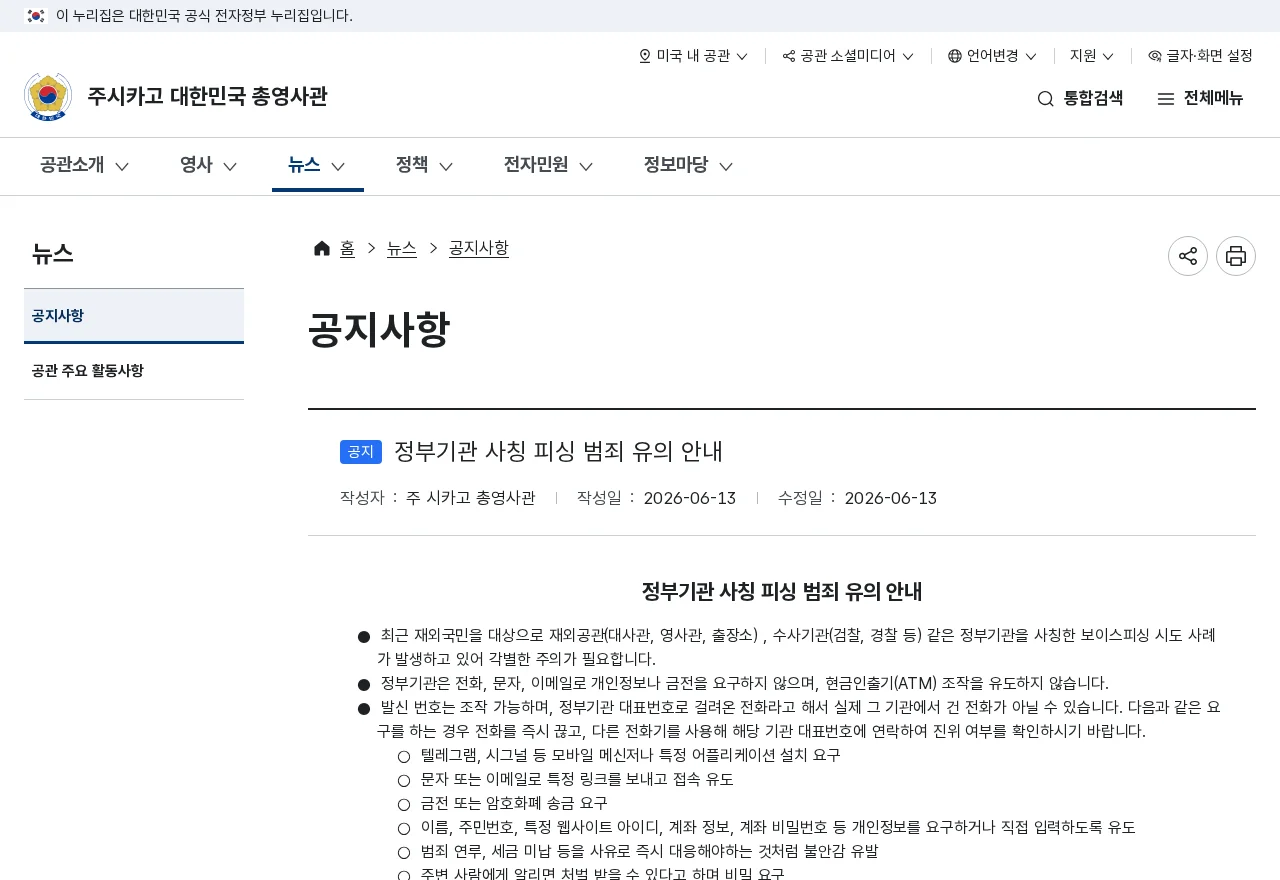
The consulate has warned about this type of call
The Chicago consulate’s public warning describes calls displaying its main number, claiming Korean police or prosecutors are investigating, and directing people to visit a website.
The consulate advises people to hang up and contact it independently. Its general impersonation notice also warns about pressure to keep calls secret.
The family named krscourt[.]com as the site used in its case. The URL belongs in a report, away from any new visit to the page.
The second call and the papers reinforced the first caller’s story
A phone number, an official-looking website and a document can each carry a familiar institution’s name. If the caller supplies all three, check their claims at the source.
When you’re ready to report the call, write down the details you can check independently.
- Whether you have your passport or reported it missing.
- What office the first caller claimed to represent.
- Which authority supposedly issued the document and the reference shown.
- The address the caller provided, recorded without visiting it again.
- What information or money, if any, you sent in response.
The public report does not document a transfer or a confirmed loss. The warning concerns the impersonation and the pressure to respond through channels the callers controlled.
How the Korean Consulate Passport Scam Works
Step 1: An incoming call appears to match the consulate
Consulates really do handle passport and traveler questions. A call displaying the name or central number can make a surprising claim feel like an official matter.
The Chicago consulate’s warning says impostors have made calls appear to come from its public number. Use the number from an independently opened consulate website if you need to verify.
If the caller asks you to confirm your passport details before explaining why they called, end the call. Ask the real office how it wants to verify identity.
Keep a note of the caller ID and the time. That record describes what your phone displayed, which is useful even when the actual origin is unknown.
Step 2: The caller says someone else had your passport
The passport story turns a distant investigation into something personal. The threat is that you could be treated as an accomplice unless you respond.
A caller cannot establish that your passport was used by describing it. Check whether you have the document and contact the issuing authority if you think it was lost.
If the caller knows your name or address, write down exactly what they knew and what you confirmed. The verified office can advise what information may have been exposed.
Even if the passport was genuinely missing, stay with the official reporting process. An actual identity problem does not authenticate a caller who claims to know about it.
Step 3: A second call points you to court papers
The family described a second call from a Korean number. The website was presented as a route to arrest documents and orders requiring secrecy.
That change of voice and number can make one office appear to hand a case to another. Look up each office yourself before treating the handoff as genuine.
Avoid following the caller’s directions to retrieve or verify the papers. Use only the domain and service the real agency identifies through its own contact route.
If you saw a document already, keep a screenshot with the timestamp. An unfamiliar case number can be recorded without giving the caller your passport number.
Step 4: The threat makes independent verification feel forbidden
A supposed gag order can make you hesitate to speak with family or a real official. That pressure is particularly persuasive when the caller also speaks about prosecution.
Pause and get help from someone you know. An official phone line can tell you how to verify a claim through an established process.
Do not let the caller stay connected while you try to confirm it. Call a separate number you found on the real government site and explain what happened.
If the caller later asks for a transfer, deposit or access to your accounts, stop the conversation and report the request to the real institution.
Who Can Check a Call, Passport or Court Notice?
Ask the consulate about the number displayed on your phone
Tell the consulate when the call arrived and whether the caller said its office was dealing with your passport or a police investigation.
Ask whether it made the call and how it handles concerns about an exposed passport. Let it tell you which authority, if any, can answer the next question.
If you speak Korean more comfortably, ask for help through the consulate’s normal channels. Choose your own interpreter or trusted relative if you need one.
If you live outside the Chicago consulate’s area, use the real office responsible for your location. It may still want the purported Chicago number and time in your report.
Tell the passport authority what may have been exposed
If you still have your passport, check the physical document. Keep it private while you ask what action is appropriate.
If it is missing or a copy was submitted, explain which situation applies. A missing booklet and a photo sent to a website can call for different steps.
If the website requested the rest of an identity record, note which fields you entered. Keep the number and document image out of public posts.
Ask whether you need to file anything with the issuing authority, and how to send it securely. Use the contact you found yourself after ending the call.
Check the court notice with the court that supposedly issued it
A seal and formal heading can make the notice look official. Give the court the reference you saved and ask whether it matches something it issued.
If the first call appears to come from Chicago and the next names a Korean court or police office, verify both through their own contact details.
Keep details from the document in your notes, including its date and title. If you do not read Korean, use a trusted translator who can work from the saved record.
A request to keep the story secret deserves particular care. Verify it through official channels before letting it stop you from contacting someone who can help.
Keep evidence without opening the site again
If the page asked you to sign in, describe what was on the form and what you entered. Keep any passwords and verification codes out of the report itself.
Give investigators the address as text or a screenshot. There is no need to reproduce the steps you followed to see what else the site does.
If you received a new message after hanging up, preserve its time and sender. It can follow the same impersonation even when it uses another number.
If you are helping a relative, compare notes from each person’s calls. Several recipients can show a pattern without anybody returning the call to confirm it.
Record any deadline and the time zone the caller used
Write down when you received the call and the time zone the caller used. A date in Korea may differ from the date you see in Chicago.
If the responsible office is closed, use its official instructions for urgent concerns and keep the alleged deadline in your report without sending money.
If the caller says a court will issue a decision before the consulate opens, note that claim. A verified agency can tell you what process applies to real documents.
Compare relatives’ reports without sharing passport details
Have each person write down the organization, the first claim and what the caller wanted them to do next. Similar language can help make a report clearer.
Keep each relative’s passport and payment information private. The caller may have supplied different reference numbers, so let the agencies compare them where appropriate.
Ask family members which of them relied only on the displayed number. Help them find the official consulate page separately rather than forwarding the suspicious website.
Warn them through a number or account you can verify. If someone is still talking to a caller, encourage them to hang up and make their own call.
Preserve messages that arrive after the call
Save the message with its sender, date and screenshots you already have. There’s no need to open another attachment to decide whether it looks official.
If the alleged document requests a deposit, record the stated recipient without making a payment. Explain the demand to the consulate or the agency it identifies.
Ask the verified office what details it actually needs. A legitimate official may ask for a case reference, while the unfamiliar website may ask for broad personal information.
If part of the document appears to show personal information for another person, use the secure reporting route. Avoid circulating the document in a large group.
Contact your bank or carrier if you shared account details
Report unexpected account activity to your bank and changes to your mobile service to your carrier, using each provider’s published contact details.
If a new text asks you to relay a code, let the relevant provider identify the request. You can read the notification without supplying the code to the caller.
Keep a bank report number separate from your consular inquiry. The first is tied to a financial exposure. The second concerns the institution and document being impersonated.
If someone calls again claiming to process a cancellation, verify through the original official contact. Keep the date and caller’s claim for your existing report.
What to Do if You Have Fallen Victim to This Scam
-
Hang up and keep what you already have from the call, including the time, number and messages. Save any documents or address without revisiting the site.
-
Find the consulate’s number independently and ask whether anyone from its office called you. If you’re worried about your passport, ask how to check its status.
-
Contact the passport authority if your document is missing or you sent a photo or number. Explain exactly what the caller received so the office can advise you.
-
Call your bank if money or card details were involved and give it any transaction and recipient information. Ask which protections or dispute options apply to your account.
-
Change exposed passwords through the genuine services and check for unfamiliar sign-ins. Keep any replacement access codes private if the caller contacts you again.
-
Report the impersonation to the appropriate local authority and keep the case details. In the US, you can also report the call through FTC ReportFraud.
The FTC’s government impersonation guidance explains why you should reach the claimed agency through contact information you find independently.
If somebody else in the household was contacted, ask them to keep their own evidence and verify the claim. Let each person report the details they actually shared.
If you only listened to a call, the first step is to report or block it. If you submitted a passport copy or approved a payment, handle that separately.
Frequently Asked Questions
Can a fake call display the consulate’s actual number?
The Chicago consulate warns that impostors have made calls display its main number, which is why you should look it up yourself and make a separate call.
Does a second call from a Korean number confirm the case?
A number on your screen cannot tell you who is speaking. Verify the claimed police or court office through the appropriate official route.
Is krscourt[.]com the link I should use to check the papers?
The family identified krscourt[.]com as part of the impersonation. Ask the real agency where to check genuine documents instead of reopening the address.
What if I have my passport with me?
Tell the actual consulate or issuing authority if you think its details were exposed. The caller’s story does not give them permission to ask for your copy.
Will I get in trouble for ending the call?
The Chicago consulate advises hanging up and contacting it directly. Make that call using its genuine public contact information.
What if I already sent money or an identity document?
Contact the bank about money and the issuing authority about the document. Give each one what you can verify and retain the caller’s messages privately.
The Bottom Line
When a caller uses a passport investigation to direct you to krscourt[.]com or another unverified website, hang up and contact the consulate through its published details.
If you shared a passport image or transferred money, contact the issuing authority or your bank promptly and keep the messages and documents they may need.

Join the discussion
0 commentsShare your experience or ask a question about this article.
Community experiences
Did this happen to you?
Your experience could help someone recognize the same scam. Submit a private report for our team to review.
I experienced this tooReports are reviewed before publication. Sharing publicly is always your choice.
Discussion
Start the conversation
Have a question or something useful to share? Add the first comment.