


Your first tasks pay, and the group chat is full of people who seem to be earning the same commissions.
When the next order appears, you’re asked to put in far more than you did for the first few.
Overview
Small payouts made the work look real
A person in the Philippines said a Telegram work group sent them to a site called Glorinew. They were told to send money for orders and earn a commission.
At first, the orders were inexpensive and the person said the money came back with a commission. The early payouts made the next task look like another round of work.
The requests grew to ₱1,800, ₱6,000 and ₱25,000. The person said they borrowed through GLoan for the largest request and lost ₱32,800 overall.
The QR payment and the loan created separate records
The person said they paid using a QR code. The report does not identify the recipient, establish who controlled each group account or verify which provider processed each payment.
The loan was money the person obtained to make a payment. It created a separate relationship with a lender that still needs attention after the task offer breaks down.
If this happened to you, start with the records in your own accounts:
- Each incoming commission you can confirm.
- Each outgoing payment, with the amount, date and recipient details.
- The loan disbursement, amount borrowed and current terms.
- Any pending transfer and the app or institution that can see it.
- The chat or site claim about when money was supposed to come back.
The payout pattern matches a documented task scam
The FTC’s task scam warning describes small early payouts followed by demands to deposit your own money. The early success can be part of the persuasion.
For the reported loss, the person’s own wallet history matters more than the balance the group displayed. It can help identify which early payments arrived and which later transfers left.
For this person, the practical warning came when the next task required borrowing. A loan makes the cost real even if the website still shows attractive earnings.
How the Glorinew Telegram Task Scam Works
Step 1: A group makes the offer feel like an ordinary job
The member expected to earn money doing simple tasks. Other apparently local accounts in the group made the offer feel less unusual.
A group message cannot confirm that other participants are independent customers. If people say they are getting paid, check what you can verify in your own payment history.
Ask where the employer is listed and how it pays for work. You can stop the conversation if the only way to learn is to send money first.
If a job involves placing orders, ask who pays for them. Get that answer before you approve an expense.
Step 2: Early commissions make the job seem reliable
The member said early orders returned funds and a commission. That was a genuine reason to think the next order could pay too.
Write down what the bank or wallet shows for those incoming payments. A small payout can show money arrived without identifying a genuine employer or establishing future withdrawals.
A balance on the work site is different from cash you already received. If a payment entry is only visible to the operator, keep it as a claim.
Before beginning another group task, ask whether completing it can require more of your own money. That answer matters more than the percentage of commission advertised.
Step 3: The next task asks for a much larger payment
The largest request exceeded what the participant had available, so they borrowed to cover a payment that the group said would come back.
Before borrowing to fund a task, check what you’d owe even if the group paid you nothing. Approval from a lender does not guarantee reimbursement.
Read the loan terms independently if you already accepted one. Take questions about repayment, missed dates or fraud to the lender’s official channels.
A new claim that you are almost finished cannot change the actual loan. Keep the promised commission separate from the balance you owe under the genuine account.
Step 4: The wallet and loan records survive the chat
The member reported the loss publicly, but the article does not establish whether the money was returned. Start with the payment and loan records you can still reach.
Find the entry associated with the QR payment. Its own transaction reference can help the provider even if you no longer have the original QR image.
Ask whether any payment is still pending and whether it can be stopped. Be clear about which payments you approved while being misled.
If the group says a final fee will unlock the money, do not send it. Save the message for the report you are already making.
What to Check if You Paid With a Wallet or Borrowed the Money
Compare promised earnings with money that reached you
List each debit and confirmed credit from the provider’s transaction history, since the total on the task website can include money you never actually received.
Mark which payments you believe went to the operator. If a third party sent a real early commission, give support its record without deciding who employed them.
If one amount failed and another went through, list the successful transfer first. The provider can tell you which reference belongs to which activity.
When loan proceeds are still sitting in your own account, tell the lender before treating them as part of a loss to the group.
Report the wallet transfer and speak to the lender
Open the official service and find the relevant payment. Do not use a support contact sent by the group, even if it mentions the exact amount.
Tell the provider how you approved the payment and what the group promised. If someone accessed your account and made a different transfer, describe that separately.
Then contact the real lender through its app. Ask which loan record shows the disbursement and what date or amount it expects you to pay next.
The GCash Help Center’s GLoan information identifies the product. Use official account support for questions about your own lending agreement.
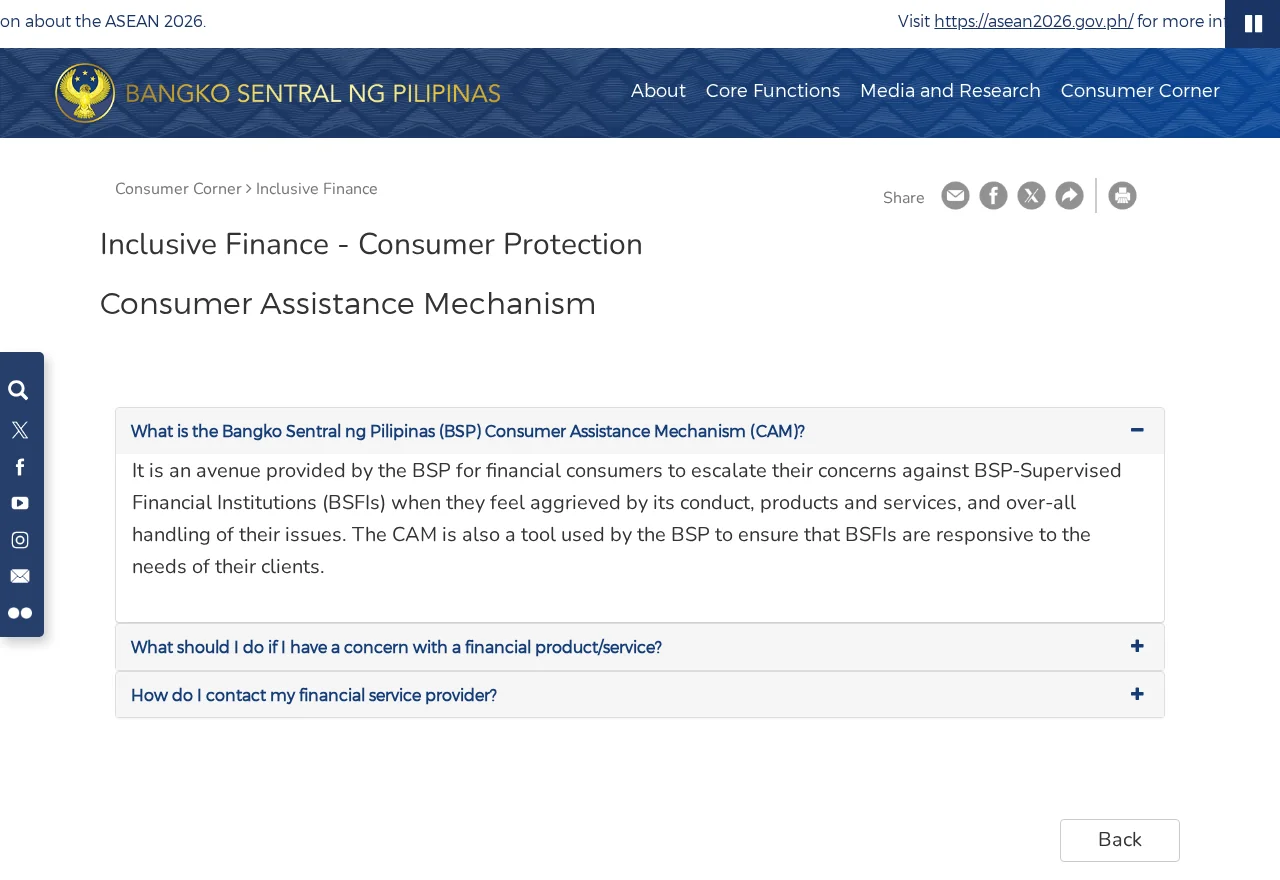
In the Philippines, Bangko Sentral ng Pilipinas’ consumer assistance guidance explains the complaint route for covered financial institutions. Start with the provider that handled the transaction.
Preserve context before losing access to Telegram
Keep the work group name and the first message you received. Save the instructions that linked payment to a task and the latest request for more money.
Do not circulate anyone’s personal details or a readable QR code publicly. Your provider can tell you where it will accept sensitive information.
If a group member offers to send the supposedly missing commission, check your actual wallet or bank. A private promise cannot confirm that another payment is coming.
You can leave the group and still preserve your bank records, so there’s no reason to accept a new task while your report is open.
Find the transfer behind the QR payment
Save the original QR image without scanning it again. The provider can usually start with the transaction reference already in your history.
Check whether each outgoing amount left the same funding source. If a loan payout entered your wallet first, save the genuine deposit and outgoing transfer as separate events.
If the app shows a user name or merchant label, copy it as displayed. Do not assume that label tells you who operated the task site.
When support asks what happened, describe the small commission and later payment requests in order. Give exact amounts from your own payment history when available.
Ask the lender what you owe and when it’s due
Identify the lender shown in your loan record and the provider that processed the QR payment. The two names might not be the same.
Ask the lender what the loan balance is and what records it can give you. Keep any requested changes or repayment arrangements in writing.
If you did not apply for the loan, say so immediately. Unauthorized borrowing calls for a different report than a loan you took out after being misled.
Tell the lender if you borrowed because the group offered a quick return. Give it the date the loan was paid out and the reference for your outgoing payment.
Help other group members report their own payments
Ask them to report their own transaction to the provider that handled it. A group can share information without passing around passwords, codes or full loan records.
Preserve the time at which the task price increased. Capturing a claim about the increase can help a bank understand what you were told before you paid.
If you tell a friend, name the platform and the request to fund orders. They can understand the problem without seeing your account number or the full conversation.
Do not take out a fresh loan to make up for the first one because somebody promises repayment. Check with your lender about the balance you already have.
Check whether the site balance ever reached your wallet
Save a screenshot and mark it as an on-site balance. Your provider can tell you whether there was any corresponding credit in the bank or wallet.
If the site says more money is required to withdraw, record that language. Keep it with the other demands you can verify and stop the payments.
If the group removes you before you can save a screenshot, report from your wallet records and whatever messages remain. A missing chat does not erase the transfer reference.
If somebody later offers to dispute the payment for you, verify their role independently. Your loan provider or bank can tell you who is actually handling your case.
What to Do if You Have Fallen Victim to This Scam
-
Save the group messages before leaving along with the site address and the latest demand. Stop sending money, even if the group says another order will unlock your balance.
-
Call the provider that sent your money with the reference, amount, recipient and time. Ask whether it can stop pending payments and how to report completed transfers.
-
Talk to the lender through its own support and check how much it actually disbursed. Ask what options are available for the loan you owe.
-
Change any exposed password through the real service and report any code, card details or account access you shared. Tell each provider what happened to its account.
-
Report the group through Telegram and share the website details with the appropriate local authority. Keep screenshots, account records and report confirmations where you can find them.
-
Follow up through the case you opened when someone says they have an update. Ignore strangers who say they can recover the money for another deposit.
If you shared a budget with somebody else, tell them what has already left the account. That gives you time to change plans before the next loan payment is due.
Ask the lender what it can confirm in writing. Do not rely on an anonymous group to interpret the lender’s answer or contact it on your behalf.
Save incoming and outgoing funds even if they are connected to the same task. The payment provider can reconcile a completed transfer, reversed order or genuine credit using its records.
If the provider gives you a deadline for documents, note it and use its own upload route. Preserve the submission confirmation and any later request tied to the same case.
If you paid several times, ask whether the first ticket covers all the references. Send any missing details while you can still reach the original support conversation.
Frequently Asked Questions
Does the first payout prove that the job is real?
A small first payout can be real and still be part of the scam, especially when the group later asks you to fund your own work.
What did the person say they lost?
The participant reported losing ₱32,800 after borrowing through GLoan to cover the largest request. There was no update confirming any money came back.
Is a QR code enough to tell you who received payment?
Use the transaction record in the app that handled the transfer. It can show which recipient and reference the provider has for that payment.
Do I need to pay for the next task to get the first money back?
Report the payments you’ve already made instead of adding another deposit that the group claims will release your balance.
What if I still have a real loan to repay?
Contact the lender directly to confirm the loan’s status and your options. Preserve the scam evidence while handling the actual loan separately.
Can a stranger in the group help me dispute it?
Use your provider’s official dispute route. Share records only where that institution asks you to, and never give a group member your password or code.
The Bottom Line
Walk away once a supposed job asks you to pay for bigger orders, particularly if you’d have to borrow to afford them.
If you sent money, report each real transfer promptly. If you borrowed, contact the lender through its own support and keep both sets of records.

Join the discussion
0 commentsShare your experience or ask a question about this article.
Community experiences
Did this happen to you?
Your experience could help someone recognize the same scam. Submit a private report for our team to review.
I experienced this tooReports are reviewed before publication. Sharing publicly is always your choice.
Discussion
Start the conversation
Have a question or something useful to share? Add the first comment.