

In the world of dental products, it’s not uncommon to come across items that promise the world but fail to deliver. The Furzero Silicone Reline Denture Set is one such product that has been making waves online, claiming to provide a perfect denture fit using medical-grade silicone for maximum comfort and stability. But with so many red flags surrounding this product, it’s crucial to ask: is it a scam, or is it legit? In this comprehensive article, we’ll dive deep into the Furzero Silicone Reline Denture Set, examining its claims, customer experiences, and the tell-tale signs of a potential scam.
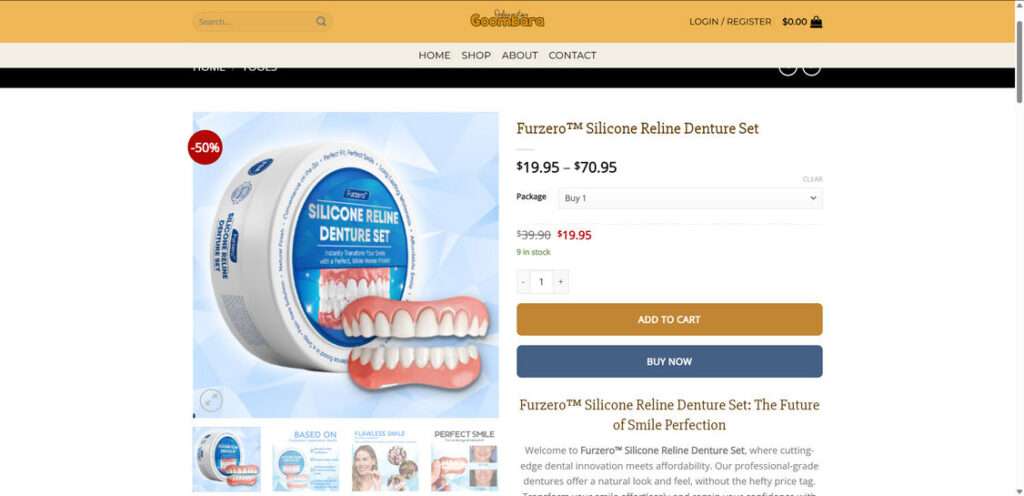
Scam Overview
Upon first glance, the Furzero Silicone Reline Denture Set seems like a dream come true for anyone struggling with ill-fitting dentures. The product promises to eliminate sore spots, prevent slipping, and offer a snug, natural feel. However, a closer look reveals several concerning issues that point towards a potential scam.
One of the most glaring red flags is the overwhelming number of positive reviews on the Furzero website. While positive feedback is always welcome, the sheer volume of glowing testimonials seems suspicious. A quick search on Amazon reveals a starkly different picture, with numerous customers complaining about missing instructions, lack of applicators, and the product not fitting as advertised. Some even went as far as calling it “absolute rubbish” and a “complete waste of money.”
The before and after images used in Furzero’s marketing also raise eyebrows. A reverse image search reveals that the same pictures have been used across multiple websites, suggesting that they are likely stock images or reused marketing materials rather than genuine customer photos. If the product truly worked as well as claimed, one would expect to see a plethora of real user-generated images proudly showcasing their transformed smiles.
Furthermore, Furzero claims to be certified by the American Dental Association (ADA) and the American Dental Hygienists’ Association (ADHA). However, there is no evidence to support these claims. No official certificates, verification links, or any proof of certification can be found on their website or elsewhere online. If Furzero had genuinely earned these prestigious endorsements, they would undoubtedly make it easy for potential customers to verify them.
Lastly, the Furzero website employs aggressive marketing tactics that are common among scam products. Huge discounts, free shipping, and bulk purchase offers create a sense of urgency, pressuring visitors to make impulsive purchases without thoroughly evaluating the product. The use of hyperbolic phrases like “transform your smile instantly,” “easy fit,” and “seamless comfort” further adds to the suspicion, as these claims often fall short of reality.
How The Scam Works
The Furzero Silicone Reline Denture Set scam operates by luring in unsuspecting customers with its bold promises and seemingly unbeatable prices. The scam typically follows a step-by-step process:
Step 1: Enticing Advertisements
The scam begins with attractive advertisements plastered across various websites and social media platforms. These ads feature convincing before and after images, glowing testimonials, and unbelievable discounts, all designed to grab the attention of those seeking a solution to their denture woes.
Step 2: Misleading Claims and False Certifications
Upon clicking on the ad, potential customers are directed to the Furzero website, where they are bombarded with a myriad of misleading claims. The site boasts about the product’s ability to provide a perfect fit, eliminate discomfort, and offer a natural feel. They also claim to be certified by reputable dental organizations, despite the lack of any verifiable proof.
Step 3: Pressure Tactics and Impulsive Purchases
As visitors browse the site, they are subjected to a range of pressure tactics designed to encourage impulsive purchases. Limited-time offers, countdown timers, and bulk purchase discounts create a false sense of urgency, making people feel like they’ll miss out if they don’t act fast.
Step 4: Subpar Product Delivery
After placing an order, customers eagerly await their Furzero Silicone Reline Denture Set, hoping for the life-changing results promised. However, what arrives is often a far cry from expectations. The product may be missing essential components, lack proper instructions, or fail to fit as advertised. In some cases, customers receive a completely different product altogether.
Step 5: Difficult or Impossible Refunds
When dissatisfied customers attempt to seek refunds or return the product, they often face significant hurdles. The company may be unresponsive to emails and phone calls, or they may outright refuse to issue refunds, hiding behind convoluted return policies and fine print.
What to Do If You’ve Fallen Victim to the Scam
If you have purchased the Furzero Silicone Reline Denture Set and believe you have fallen victim to a scam, there are several steps you can take:
- Document your experience: Take photos of the product, packaging, and any relevant correspondence with the company.
- Contact the company: Reach out to Furzero’s customer support and request a refund or replacement. Be sure to keep records of all communication.
- File a complaint: If the company is unresponsive or unwilling to resolve the issue, file a complaint with the Better Business Bureau (BBB) or your local consumer protection agency.
- Dispute the charges: If you paid with a credit card, contact your card issuer and dispute the charges, explaining that the product was misrepresented.
- Spread awareness: Share your experience with others through online reviews, social media, or by reporting the scam to consumer watchdog groups to help prevent others from falling victim.
The Bottom Line
In conclusion, the Furzero Silicone Reline Denture Set raises numerous red flags that point towards a potential scam. From the suspicious abundance of positive reviews to the use of stock images and unverified certifications, the product fails to live up to its lofty promises. The aggressive marketing tactics and pressure to make impulsive purchases further compound the likelihood of this being a scam.
While it’s understandable to be tempted by the prospect of a quick and easy solution to denture problems, it’s crucial to approach such products with a healthy dose of skepticism. Always do your due diligence, research the company and product thoroughly, and be wary of deals that seem too good to be true.
If you’ve already fallen victim to the Furzero Silicone Reline Denture Set scam, remember that you’re not alone. By taking the appropriate steps to document your experience, seek refunds, and warn others, you can help prevent more people from falling prey to this deceptive scheme.
Ultimately, when it comes to your dental health and well-being, it’s always best to consult with a trusted, licensed dental professional. They can provide personalized advice and recommend reliable, proven solutions tailored to your specific needs. Don’t let the allure of a seemingly miraculous product compromise your smile and your wallet.








