

If you have seen a “honey trick” video claiming a simple golden recipe can reverse memory loss or protect you from dementia, you are not looking at a real medical breakthrough.
You are likely looking at a highly scripted supplement funnel that uses urgency, fake authority, and AI-generated endorsement-style videos to push people into buying bottles quickly.
The names on the page may change. The “doctor” in the video may change. The product label may change.
The pattern stays almost the same.
This article explains how these honey trick campaigns work, why the claims are so unreliable, and what to do if you already ordered and now have concerns.
This is not medical advice. New or worsening memory problems should be evaluated by a qualified healthcare professional.
Scam Overview
The “Honey Trick for Memory Loss” scam is built around a powerful emotional target: fear.
Fear of aging.
Fear of dementia.
Fear of losing independence.
Fear of watching a loved one fade.
That fear makes people vulnerable to messaging that feels hopeful, simple, and urgent.
Scam operators know this. So they wrap their sales pitch in a story that looks like a discovery, sounds like a public warning, and feels like a secret you have to act on immediately.
The honey recipe is the hook, not the solution
The funnel usually starts with a promise that feels almost comforting:
A spoonful of honey.
A “golden blend.”
A cheap recipe you can make at home.
Sometimes it is framed as Manuka honey. Sometimes it is “wild honey.” Sometimes the story adds cinnamon, turmeric, or another familiar kitchen ingredient.
The message is always similar:
“This is natural, gentle, and powerful.”
That combination is what makes it so persuasive.
But here is the catch.
In many versions of this scam, the recipe is never clearly delivered in a practical way.
It gets teased.
It gets delayed.
It gets wrapped in suspense.
Then it gets replaced by a product pitch.
The honey is not the real point. The honey is the bait that keeps people watching.
Memory loss is high stakes, which makes deception more profitable
Weight loss scams are common.
But memory loss scams are often more disturbing because of who they target.
These campaigns frequently reach:
- older adults
- caregivers who are desperate for answers
- families dealing with early dementia symptoms
- people who are frightened by “brain fog” and want reassurance
When someone is scared, they are more likely to click, keep watching, and buy fast.
That is why this category attracts aggressive supplement sellers and scam networks.
The FDA has warned consumers directly to watch out for false promises about so-called Alzheimer’s cures, noting these products have not been evaluated for safety and effectiveness and may interfere with essential medications.
AI-generated videos are now the credibility engine
A major reason these honey trick campaigns spread so quickly is that the content looks more “real” than older scams.
Instead of a basic banner ad, you get a video that feels like:
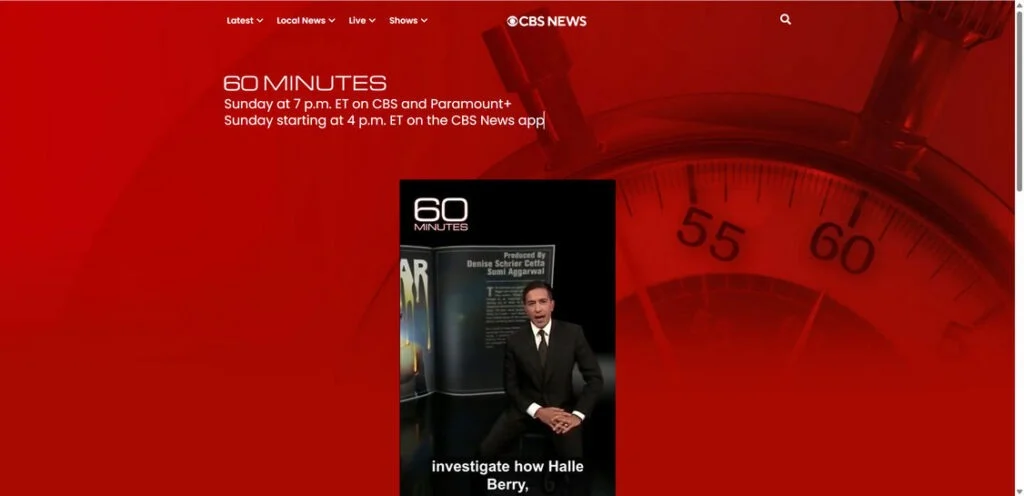
- a TV segment
- a breaking news clip
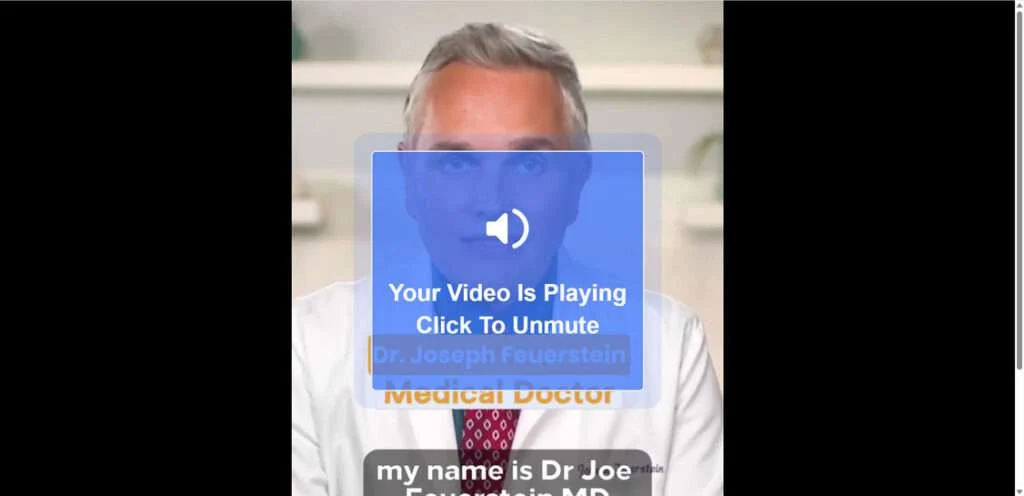
- an interview with a famous doctor
- a “leaked” presentation
This is where names like Dr. Ben Carson and Bill Gates often appear.
Not because they are involved, but because scammers know these names trigger immediate trust.
The FTC has warned that scammers are using fake celebrity and influencer endorsements, including doctored video and audio that can seem like the real thing.
That one FTC point explains why these scams feel more believable now than they did a few years ago.
They are designed to look like proof.
They are not proof.
Borrowed authority is used to bypass your skepticism
These funnels use what I call “credibility shortcuts.”
They show you familiar signals that your brain associates with trust, such as:
- a well-known public figure speaking confidently
- a medical-looking layout
- a “special report” vibe
- a confident narrator who sounds like a journalist
- medical imagery like brain diagrams and synapses
- references to famous institutions without citations
It is credibility theater.
It looks authoritative, but it avoids verifiable evidence.
If the “proof” lives only inside the sales page, it is not independent validation.
It is marketing.
The claims are usually framed in ways regulators warn about
A key red flag is when the ad implies a supplement can treat, prevent, or reverse a serious disease.
Common phrases include:
- “reverse memory loss”
- “stop dementia progression”
- “remove plaques”
- “restore brain pathways”
- “clinically proven to rebuild memory”
- “doctors are shocked”
That style of promise is exactly what health fraud warnings point to.
The FDA’s general consumer guidance on health fraud emphasizes that products promoted to treat diseases without solid evidence are fraudulent, and the claims are often designed to exploit vulnerable people. (U.S. Food and Drug Administration)
The FTC has also noted that ads sometimes make false promises for Alzheimer’s disease and dementia, conditions for which there is no cure. (Consumer Advice)
If a honey trick page is implying a cure or reversal, it is not being cautious. It is being manipulative.
The “news-style” page is often an advertorial
Many honey trick campaigns route you to a page that looks like a news story.
It may include:
- a logo resembling a media outlet
- a date stamp
- a byline with a generic name
- a headline that sounds like breaking news
- a video with “tap to listen” overlays
- “people watching” counters
This is not journalism.
It is an advertorial designed to feel like journalism.
That distinction matters because real reporting provides sources you can verify.
Advertorials provide a story that ends in a checkout.
The funnel is designed to prevent one thing: calm research
If you could slow down, open a new tab, and verify claims, a lot of these campaigns would collapse.
So the page creates pressure.
Typical pressure tactics include:
- “Watch before it’s taken down”
- countdown timers
- “limited supply” warnings
- popups showing “recent purchases”
- “X people are watching now”
The FTC explicitly warns consumers to pause and verify when a product is pushed through celebrity endorsement content, because scammers use pressure and fake endorsements to drive quick purchases.
The checkout and refund experience is where many victims get hurt
Even when the supplement arrives, many buyers report the real pain is billing and support.
Common complaint patterns in scam-style supplement funnels include:
- being charged for more bottles than intended
- upsells that look like required confirmation steps
- unwanted refill subscriptions (continuity billing)
- merchant names on bank statements that do not match the brand name
- refunds that become slow, confusing, or impossible
This is not an accident.
These funnels are often built to maximize revenue per customer and minimize refunds.
That means:
Easy to buy.
Hard to cancel.
Hard to return.
Why the product name keeps changing
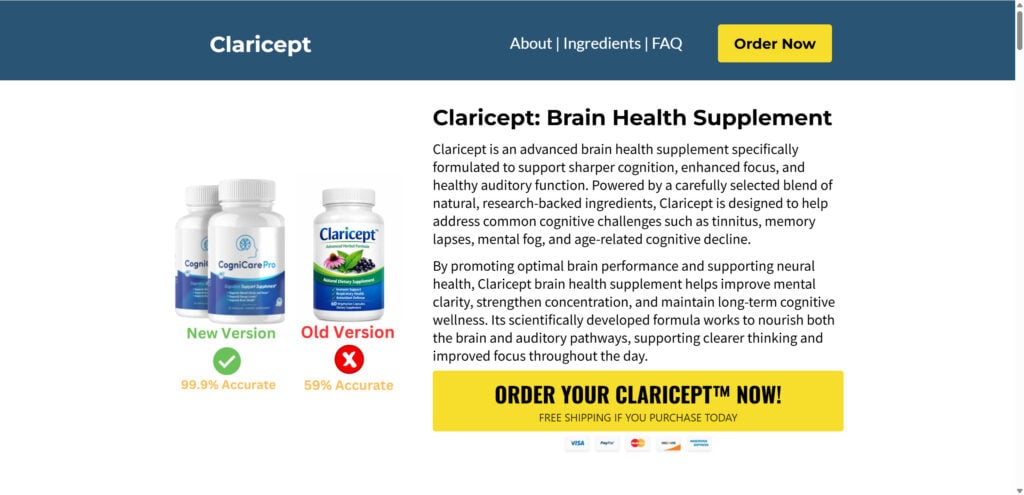
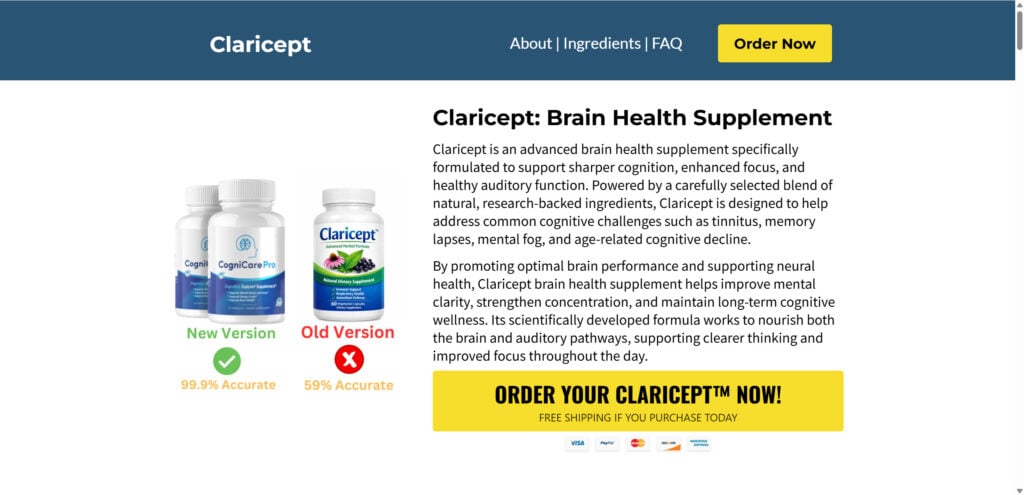
If you search for one specific honey trick supplement today, it may be gone next month.
That does not mean the scam stopped.
It usually means the operators rotated to a new brand name and domain.
They can swap:
- the product label
- the website URL
- the voiceover
- the “doctor” in the video
- the promised “recipe” angle
Then they run the same system again.
That is why it is more useful to learn the pattern than memorize one product name.
How The Scam Works
Below is the typical step-by-step structure of these honey trick campaigns.
Different versions exist, but the sequence is usually consistent.
Step 1: A scroll-stopping ad triggers fear and hope
You see an ad on social media or a display network.
It targets emotional pain points:
- fear of dementia
- anxiety about forgetting names or words
- concern about a parent’s decline
- shame about “brain fog”
- worry about losing independence
The ad promises a simple fix.
A recipe.
A spoonful.
A trick.
It is designed to feel accessible, not medical.
Step 2: The ad uses a famous name to manufacture trust
This is where Dr. Ben Carson or Bill Gates may appear in the storyline.
Sometimes it is a face in a video.
Sometimes it is a headline.
Sometimes it is an implied endorsement.
The point is the same:
Borrow trust fast, before the viewer asks questions.
The FTC has warned that fake endorsement videos can use doctored video and audio that appears real. (Consumer Advice)
So “seeing a famous person say it” is no longer reliable evidence.
Step 3: You land on a “special report” page disguised as health content
After clicking, you are redirected to a page that looks like an article.
It often has:
- a headline framed as a discovery
- a big embedded video
- a “tap to listen” prompt
- minimal navigation
- a layout designed for mobile
This page is not built to educate you.
It is built to keep you watching.
Step 4: The video opens with suspense, not proof
The video usually begins by teasing the secret.
It may say:
- “Doctors don’t want you to know this”
- “This changes everything”
- “It’s so simple it sounds fake”
- “Stay until the end”
This is a retention tactic.
It keeps you from clicking away.
Step 5: A scary “root cause” story reframes the problem
Now the video builds a villain narrative.
Common themes include:
- hidden toxins harming the brain
- plaque buildup that can be “flushed out”
- inflammation that can be “shut off”
- modern foods “poisoning memory”
- a single missing nutrient that “explains everything”
Some of these topics overlap with real science in broad terms, but the scam move is turning complex medical reality into a single simple lever.
Then it claims the honey trick pulls that lever.
Step 6: The honey recipe is delayed again, then turned into a product bridge
This is the critical moment.
You came for the recipe.
Instead, the video shifts to:
- “Here is why this works”
- “Here is the concentrated form”
- “Here is what researchers discovered”
- “Here is what you should take daily”
Now the supplement appears.
The honey recipe becomes a story device, not a usable method.
Step 7: Credibility badges appear right next to the buy button
Now the page stacks trust signals:
- “clinically proven”
- “doctor recommended”
- “FDA registered facility”
- “GMP certified”
- “made in the USA”
- “lab tested”
These are often presented without verifiable documentation.
The goal is to reduce hesitation quickly.
Step 8: Urgency tools push you into a fast decision
Then the pressure ramps up.
You may see:
- countdown timers
- “limited supply”
- “discount ends today”
- “people watching now” counters
- purchase notification popups
These are not proof.
They are conversion tools.
They exist to stop you from researching.
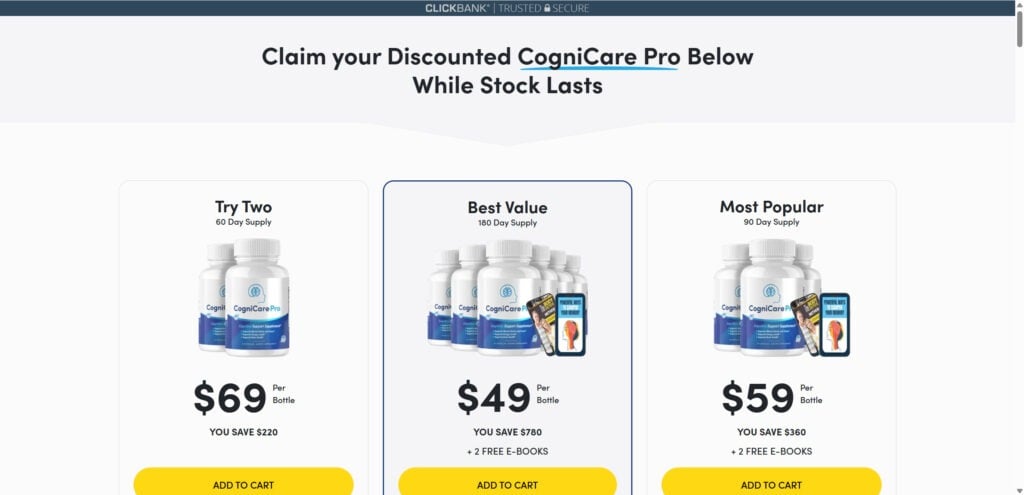
Step 9: Bundle pricing nudges you to spend more up front
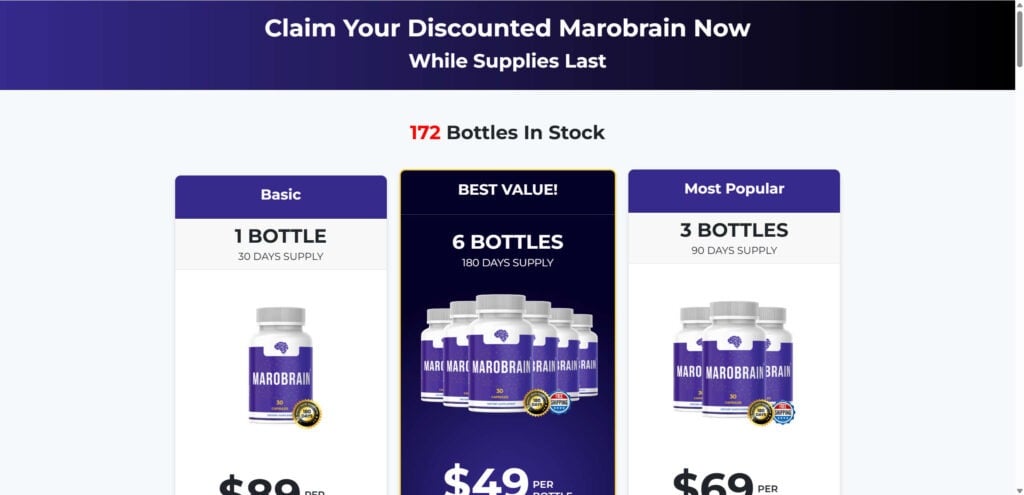
The offers usually include:
- 1 bottle at a high price
- 3 bottles as the “recommended” package
- 6 bottles as the “best value”
This is standard direct-response pricing psychology.
The scam angle is when this pressure is paired with misleading medical claims and fake endorsements.
Step 10: Checkout friction and fine print create unwanted subscriptions
This is where many victims feel trapped later.
Checkout flows may include:
- pre-selected quantities
- upsells that look like required steps
- small-print continuity billing terms
- vague merchant descriptors
- “refill program” language buried in terms
This is how people end up with unwanted refill subscriptions.
Step 11: Support becomes slow, vague, or unreachable
After purchase, many victims report:
- email-only support
- delayed replies
- unclear return instructions
- repeated stalling
- partial refunds offered instead of cancellation
This is why returns can feel impossible.
Friction is part of the business model.
Step 12: The campaign disappears and reappears under a new name
When the heat rises, the funnel resets.
New product name.
New domain.
Same honey story.
Same urgency.
Same billing risk.
What To Do If You Have Fallen Victim to This Scam
If you bought through a honey trick memory loss funnel, take these steps calmly and quickly.
- Save evidence immediately
Screenshot the ad, landing page, checkout totals, and terms. Save confirmation emails and receipts. - Check for recurring billing or refill terms
Search your email for autoship, membership, continuity, monthly, next shipment, refill. - Monitor your bank or card statement closely
Look for second charges, shipping fees, or charges under unfamiliar merchant names. Monitor for at least 60 days. - Email the seller to cancel in writing
Include your name, the email used for purchase, order number, and a clear request: cancel any subscription and do not charge me again. Ask for written confirmation. - Contact your card issuer if billing looks wrong
Ask about disputing the charge, blocking future charges from the merchant, and whether replacing your card is recommended. - Do not delay medical evaluation for real memory concerns
The FDA warns that false Alzheimer’s cure products may keep people from accessing legitimate care and may interfere with medications. (U.S. Food and Drug Administration) - Stop using the product if you feel unwell
If you experience side effects or interactions, stop and seek medical guidance. - Report the ad on the platform where you saw it
If the ad used fake endorsements or manipulated video, include that in the report. - Report the scam to consumer protection agencies
The FTC specifically flags fake celebrity endorsements and encourages people to be skeptical of endorsement-style videos. (Consumer Advice) - Tighten your security if you shared personal info
Change passwords you reused, enable 2-factor authentication on your email, and be cautious with follow-up “support” emails.
The Bottom Line
The honey trick for memory loss is typically not a genuine health discovery. It is a repeatable scam funnel that uses a comforting recipe hook, AI-generated endorsement-style videos, and high-pressure checkout tactics to sell supplements with exaggerated claims.
If you see famous names like Dr. Ben Carson or Bill Gates used to validate the story, treat that as a warning, not reassurance. Fake endorsements with doctored video and audio are a known scam tactic. (Consumer Advice)
If you already purchased, focus on damage control: document everything, watch for refill billing, cancel in writing, and involve your bank quickly if charges look deceptive.









Thank you . I was taken (82)! Saved me !
Hi Heath, thank you for commenting.
I’m glad the article helped in time. These ads are designed to pressure people into acting fast, so stopping and checking first is the smartest move. You may have saved yourself a lot more than money.
If you see the same ad turning up under a different name, feel free to share it. That helps warn other readers too.
They are using Bill Gates to sell it now.
Hi Cheryl, thanks for posting this. That is another major red flag.
Scam supplement ads often recycle the names and images of famous public figures to make the product look credible. If they are now using Bill Gates in the ads, that fits the same deceptive pattern and gives readers one more reason to avoid it.