

Have you seen the ads for the FengShui Bracelet circulating on social media? These mystical-looking bracelets promise to attract wealth, love, and success. The ads feature tantalizing stories of people achieving dramatic life improvements simply by wearing the bracelets. But is the FengShui Bracelet legit or just another scam? Read on to uncover the real facts before you consider buying.
Overview: How the FengShui Bracelet Scam Works
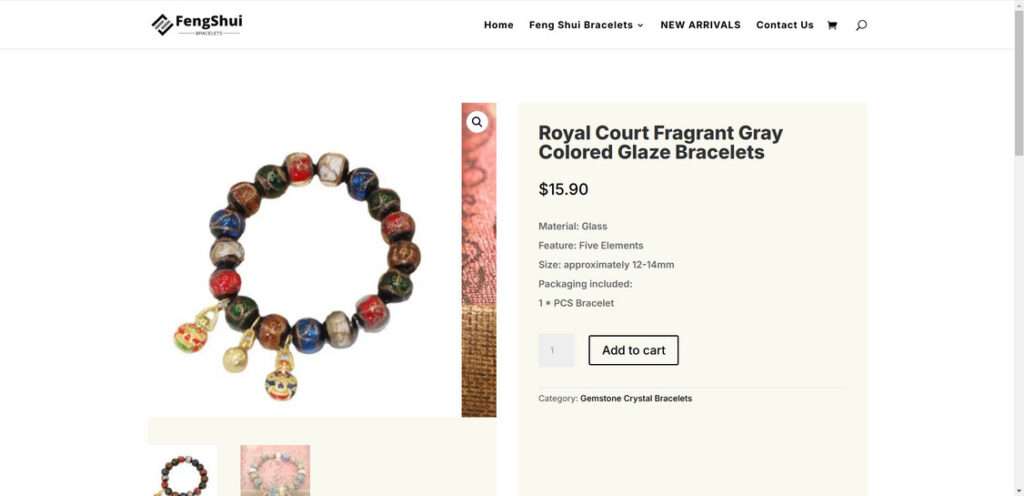
The FengShui Bracelet is heavily advertised on Facebook, Instagram and elsewhere online. The ads claim these bracelets are made from volcanic obsidian and feature a Pixiu charm, a mythical Chinese protective creature.
According to the ads and the product website at fengshuibracelets.co, the FengShui Bracelet was once exclusive to Chinese elites but is now available worldwide. The site even makes the dubious claim that the bracelets are marked down 50% off the original price.
To convince potential buyers the bracelets work as promised, the website features fake testimonials. For example, one story profiles a woman who supposedly used the FengShui Bracelet to win big in the Maryland lottery.
The promise? Wear the FengShui Bracelet and you too can benefit from dramatic improvements in wealth, health, relationships and more. Of course, none of these claims hold up to scrutiny.
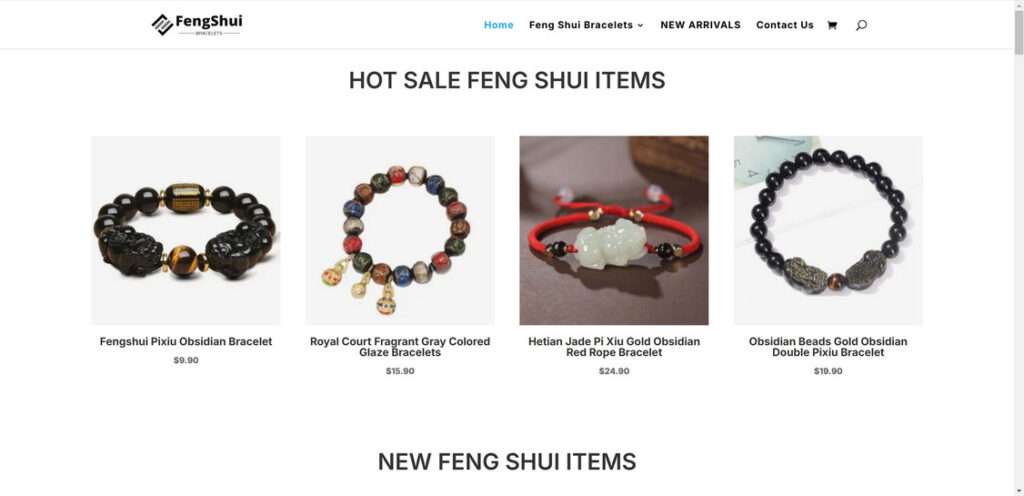
In reality, the FengShui Bracelet appears to be a cheap trinket, mass produced overseas and marked up for sale to consumers. The scam depends on exaggerated claims and phony reviews to trick buyers into paying an inflated price.
Analyzing the Telltale Signs of Deception
A close examination reveals several red flags with the FengShui Bracelets and how they are marketed. Uncovering these deceptive tactics can help protect you from falling for the scam.
Fake Testimonials and Reviews
The FengShui Bracelet website features numerous customer testimonials with impressive five-star reviews. According to the site, the bracelets have over 97,000 customer reviews and a near perfect average rating of 4.8 stars out of 5.
At first glance, so many positive reviews seem convincing. But telltale signs reveal these reviews are completely fabricated.
The testimonial of the so-called Maryland lottery winner offers one example. Her story is accompanied by a stock photo showing her holding an oversized check.
But a closer look reveals the sloppy manipulation. Parts of the image with the check are misaligned and lower quality than the rest of the photo. This suggests the check was digitally added after the fact.
Even more damning, the Maryland woman’s testimonial claims she is from “Cleaver, Maryland.” There is no such place – a dead giveaway that her story is pure fiction.
Other customer reviews also raise suspicions. The profile pictures appear inconsistently lifelike, with some having the hallmarks of AI-generated faces. The unnatural skin textures, distorted features and identical facial structures are telltale signs these are not real people.
Phony Claims of Scarcity and Discounts
The site uses several tricks to manufacture urgency around buying the FengShui Bracelet. One is claiming limited inventory, warning shoppers that stock is “running out fast.”
Of course, there’s no reason inventory would be scarce for a cheap bracelet likely mass-produced in large batches. This phony warning is meant to scare shoppers into buying before the bracelets “sell out.”
The site also flashes messages about time-sensitive discounts. For example, it might claim you have 15 minutes left to get 50% off or free shipping. These tactics pressure buyers to purchase immediately before the fictional sale ends.
In reality, these “limited-time” discounts never expire. The warnings are completely fabricated to drive impulse purchases.
Inflated Prices
While the site claims the FengShui Bracelets are on sale for 50% off, any markdowns are applied to fictional original prices. In reality, these bracelets likely cost just pennies to manufacture in bulk.
The site’s checkout pricing further exposes the inflated scam prices. A set of three FengShui Bracelets costs $117 – nearly $40 per bracelet. Given the cheap materials and construction, the true production cost is estimated at around $2-$5 per unit.
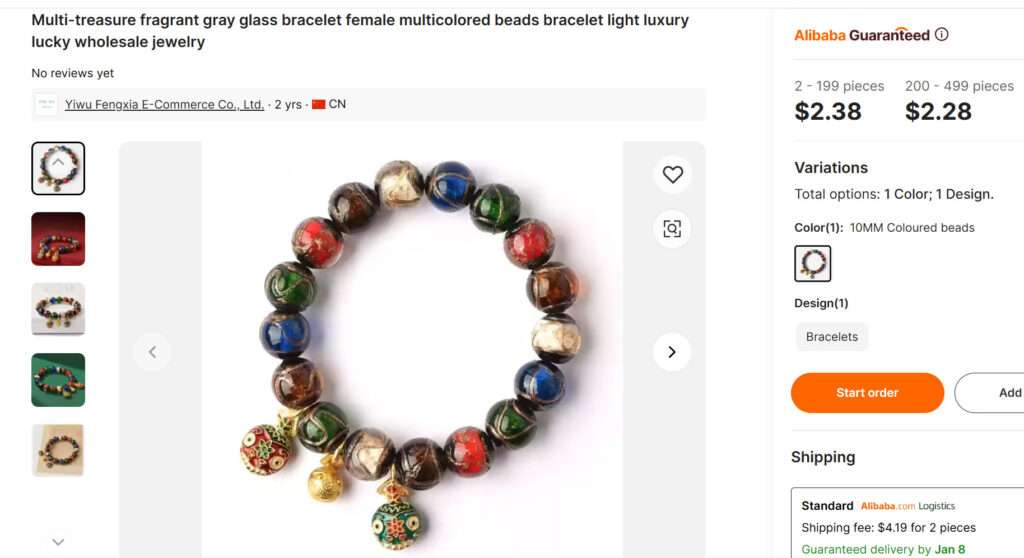
By creating a fictional narrative around the bracelets – from their backstory to their purported powers – the scammers aim to justify commanding dramatically higher prices from consumers.
Exploring the Real Origin and Composition
The FengShui Bracelet website provides few details about where these accessories actually come from and what they are made of. But digging deeper reveals more clues that the bracelets are cheaply mass-produced, not the rare mystical artifacts portrayed in the ads.
Likely Origins in China or Southeast Asia
According to the website, the FengShui Bracelets were exclusive to Chinese nobility but are now marketed worldwide. However, the bracelets exhibit none of the finely crafted artistry one would expect from luxury products made for Chinese elites.
In fact, the cheap design and materials point to the likelihood these bracelets are mass-produced in factories in China or elsewhere in Southeast Asia. English language errors on the website provide further evidence it originates abroad, not in the United States.
Low-Cost Materials
The FengShui Bracelet is described as made from obsidian imported from volcanoes as well as copper and zinc. However, the construction appears cheaply done, with low-cost alloys and minerals.
The coarse textures and uneven cutting reveal the raw materials are of poor quality. And the bracelet lacks fine details or ornamentation befitting a luxury jewelry item.
These are all signs of rushed construction from inexpensive components – not the markings of elite craftsmanship.
The Bottom Line: Don’t Buy the False Promises
In every area, the FengShui Bracelet sets off red flags. The website makes bold claims of dramatic life improvements thanks to these magic accessories. But the evidence points to a cheap product deceptively marketed through fabricated reviews, phantom discounts and grandiose promises.
While the idea of attracting good fortune through a mystical talisman may sound appealing, the reality never lives up to the fantasy. There are no shortcuts to achieving your goals using magical bracelets. Don’t give in to the FengShui Bracelet scam. Your money is better spent elsewhere.








