

The KIDSNEED Non-Invasive Mole and Wart Removal Laser Pen has gone viral, largely due to eye-catching videos on platforms like TikTok, Instagram, and Facebook. These clips showcase flawless before-and-after results, claiming the pen can safely eliminate skin tags, moles, and blemishes without pain, cuts, or a dermatologist visit. But is this device really a revolutionary skincare breakthrough, or just another overhyped and misleading product?
In this article, we explore every claim made about the KIDSNEED Laser Pen. You’ll get a thorough breakdown of how the scam operates, red flags to watch for, and the actions to take if you’ve already made a purchase.
Scam Overview
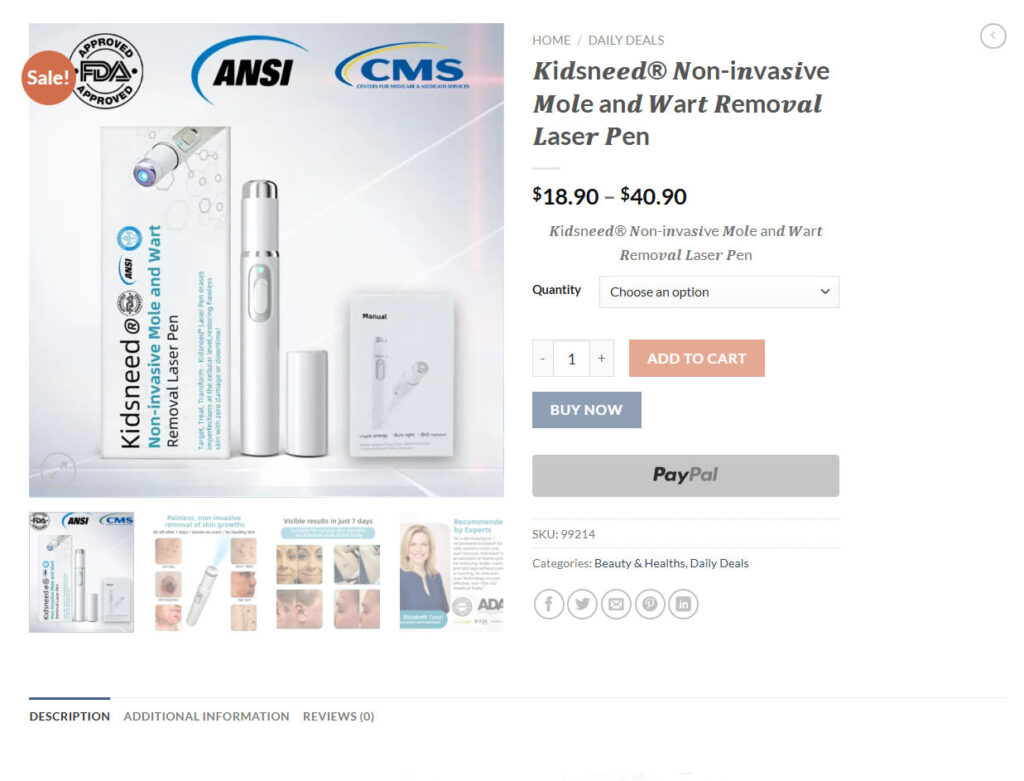
The KIDSNEED Laser Pen is marketed as a high-tech, FDA-approved device using CO2 laser technology to remove skin imperfections with clinical precision. However, a closer inspection reveals a pattern of misleading tactics and false advertising designed to deceive consumers.
Unsupported Claims
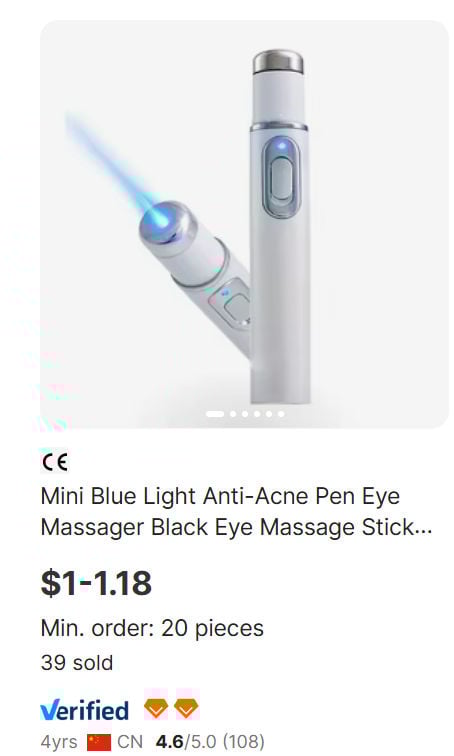
The product claims to use “FDA-approved CO2 laser technology,” but there’s no credible evidence that this specific device has undergone FDA testing or approval. In reality, the pen is almost identical to low-cost beauty gadgets sold on wholesale websites like Alibaba for $1–$2 per unit, yet it’s marked up to $40 or more on the official sales pages.
Fake Credentials
The website displays seals for the FDA, GMP, CE, and other authoritative institutions. These images are used without legal verification. There’s no traceable registration, no unique FDA product code, and no credible listing in FDA databases.
Questionable Testimonials
The site features glowing user reviews with dramatic before-and-after images. However, reverse image searches show that many of these photos are recycled from unrelated skincare websites or stock photo libraries. The reviews are not linked to verified purchase data, and the same testimonials appear on other scam products under different brand names.
Misleading Language
Terms like “clinically proven,” “dermatologist-recommended,” and “backed by studies” are used liberally without citations or references. These phrases give the illusion of medical endorsement, yet there is no scientific backing provided for the device’s efficacy.
Untraceable Manufacturer
The company behind KIDSNEED has no transparent physical address, customer service phone number, or documented corporate identity. Often, these operations are run by dropshippers who operate through temporary storefronts. Once complaints flood in, the site disappears or rebrands.
Consumer Complaints
Hundreds of users report never receiving their orders, receiving poorly packaged items that don’t work, or experiencing painful skin burns from use. Refund requests are typically ignored, and payment processors often refuse disputes due to ambiguous refund policies listed on the sites.
How the Scam Works
Step 1: Viral Social Media Ads
The scam begins with flashy video advertisements on social media platforms. These ads use actors or influencers who demonstrate the device on moles or skin tags, claiming pain-free results in days. They emphasize convenience, showing users applying the pen from the comfort of their homes.
Step 2: Fake Scarcity and Discounts
Clicking the ad leads you to a branded landing page filled with urgency tactics. Headlines like “Only 3 left in stock!” or “Sale ends in 7 minutes!” are used to rush consumers into making impulse purchases. Countdown timers and pop-up notifications of “recent sales” from fake names simulate popularity.
Step 3: Pseudo-Scientific Language
The website uses clinical jargon, claiming the pen uses CO2 laser energy and advanced ion technology. But these terms are used incorrectly. There is no real CO2 laser involved—just a blue LED light in most versions of the product. No clinical studies or documentation is ever cited.
Step 4: Misleading Testimonials and Reviews
The next phase is psychological persuasion. The site displays five-star reviews with smiling faces and miraculous transformation stories. These are often fake. Many reviews are copied and pasted from review generator templates or used on multiple unrelated product pages.
Step 5: Payment and Data Collection
Once convinced, users are funneled into a poorly protected checkout page. Payment is collected via third-party processors with limited consumer protection. Personal data like email addresses and phone numbers are collected—sometimes later sold to other scam marketers.
Step 6: Shipping Delays or Non-Delivery
Most customers experience long shipping delays. Some never receive the product. If it does arrive, it often differs from what was advertised—sometimes missing the packaging, manual, or charger. A common issue is receiving a generic pen labeled only in Chinese.
Step 7: Poor Quality and Safety Hazards
The pen may emit weak light with no actual laser function. In some cases, it causes burns or skin irritation. These are not medical-grade tools and can lead to infections or scarring, especially when used on sensitive skin areas like the face or neck.
Step 8: Customer Service Blackout
Customers seeking help find that the support email is inactive or receives auto-responses. The return address is usually a PO box in another country. The refund window closes quickly, and without shipping documentation, banks often reject dispute claims.
Step 9: Rebranding and Repeat
After accumulating negative reviews and chargebacks, the site usually goes offline. The same scam then reappears under a different brand name using the same site layout and ad style. This allows the operation to continue uninterrupted.
What to Do If You’ve Fallen Victim to This Scam
- Contact Your Bank or Credit Card Issuer
Report the transaction as fraudulent and request a chargeback. If you used a credit card, you have stronger consumer protections than with debit or prepaid cards. - Document Everything
Take screenshots of the product page, your order confirmation, shipping details, and all correspondence. This evidence helps when disputing the charge. - Report the Website
File complaints with the FTC (if you’re in the U.S.) or your national consumer protection agency. Also report the scam to platforms like Better Business Bureau and Trustpilot. - Leave Public Reviews
Share your experience on forums, social media, and review platforms. Your warning can protect others from falling into the same trap. - Block and Unsubscribe
Block all email addresses and phone numbers associated with the scam. Unsubscribe from any newsletters or text messages you receive from the company. - Check for Identity Theft
Monitor your bank statements and credit reports for unusual activity. If you provided sensitive data, consider placing a fraud alert on your credit profile.
Frequently Asked Questions (FAQ) About the KIDSNEED Mole Removal Pen Scam
1. Is the KIDSNEED Mole Removal Pen a legitimate medical device?
No. Despite its marketing claims, there is no evidence that the KIDSNEED Laser Pen is FDA-approved or medically endorsed. It closely resembles generic beauty devices found on wholesale sites, often lacking the functionality or safety standards of real medical tools.
2. Does the KIDSNEED Pen actually use CO2 laser technology?
No. The pen does not use real CO2 laser technology. Most units use simple blue LED lights with no capability to remove skin tags or moles. The mention of “CO2 laser” is a misleading marketing tactic with no clinical backing.
3. Are the before-and-after images and reviews real?
Many of the photos and reviews appear to be fake or repurposed from unrelated websites. The testimonials are not verified, and some images have been traced back to stock photo libraries and unrelated products.
4. Is it safe to remove moles or warts at home using this pen?
No. At-home removal of moles without a professional diagnosis can be dangerous, especially if a mole is cancerous. Using unregulated devices may lead to burns, scarring, infection, or the unintentional removal of signs of skin cancer.
5. Why does the website claim it’s FDA-approved and CE-certified?
These claims are deceptive. While the terms “FDA-approved” and “CE-certified” are used on the website, there is no verifiable listing for this product in any official regulatory database. Logos and badges are often used without permission to build false credibility.
6. What should I do if I’ve already bought the product?
Contact your bank or credit card provider immediately to file a chargeback. Save all documentation and report the website to consumer protection agencies. Also leave a review to warn others and monitor your financial accounts for suspicious activity.
7. Why hasn’t the scam been shut down if it’s fake?
Scam websites often operate briefly under one brand, collect payments, and then disappear or rebrand. This tactic makes it difficult for authorities to take action quickly, especially when sites are hosted overseas or use evasive payment processors.
8. Is there any way to get a refund from the company?
Refunds are highly unlikely. Most users report unresponsive customer service or being sent in circles. Some are told to return the item at their own expense to an international address, often with no refund ever issued.
9. How do I verify if a similar product is a scam?
Check for third-party reviews on independent websites. Look up the product on scam-tracking platforms, verify any regulatory claims through official channels like the FDA, and be wary of urgency tactics, fake discounts, and vague company information.
10. Are there any safe alternatives to remove moles or warts?
Yes. Always consult a licensed dermatologist or healthcare provider. Safe and effective treatments include cryotherapy, surgical removal, and prescription topical agents. Professional evaluation is essential to ensure accurate diagnosis and safe treatment.
The Bottom Line
The KIDSNEED Mole and Wart Removal Pen is not the groundbreaking skincare tool it claims to be. Its viral popularity is built on deceptive marketing, misleading medical claims, and false endorsements. The product lacks clinical validation, and consumer complaints are widespread.
Rather than risking your skin and your money on an unregulated gadget, it’s always safer to consult a licensed dermatologist. No real medical-grade treatment comes in a $1 gadget disguised as a miracle device.
Be cautious, do your research, and trust evidence—not advertising hype.

Join the discussion
0 commentsShare your experience or ask a question about this article.
Discussion
Start the conversation
Have a question or something useful to share? Add the first comment.