

Are you considering adopting a fluffy new kitten online? Before you fall in love with cute pictures and unbelievably affordable prices, beware—the internet is filled with scams preying on cat lovers. Online kitten scams are growing rapidly, leaving thousands devastated financially and emotionally each year. Keep reading to uncover how these scams work, the warning signs, and exactly what you need to do if you’ve been tricked.
Scam Overview
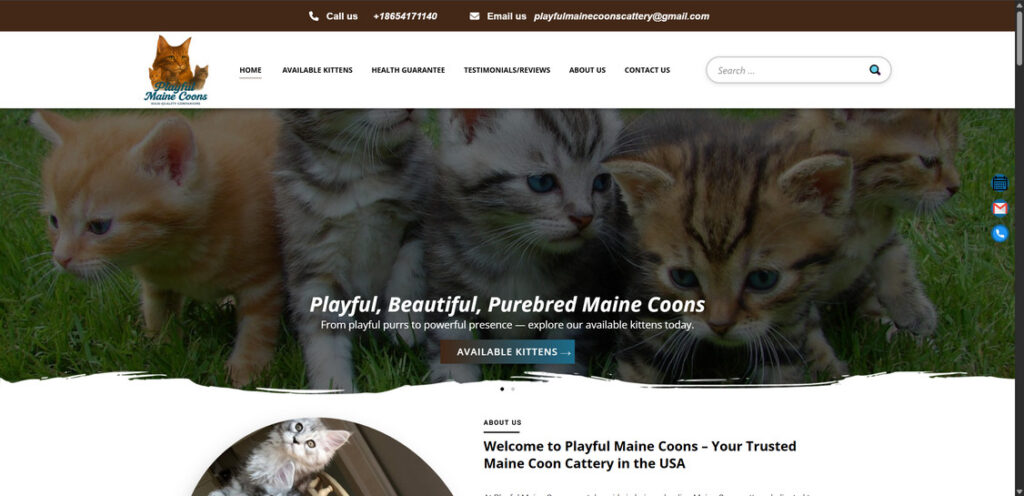
Every day, hundreds of hopeful pet owners turn to the internet in search of their perfect feline companion. Unfortunately, scammers exploit this emotional decision, creating deceptive websites advertising adorable kittens at prices ranging typically from $500 to $1,000—far below market value for purebred kittens. Commonly advertised breeds include Maine Coons, Russian Blues, Persian, Siamese, Bengal, British Shorthair, Ragdoll, and Munchkin kittens.
These fraudulent sites often look professional, complete with appealing images, detailed descriptions, individual kitten names, and even fake testimonials. The kittens listed usually have attractive personalities described in detail to quickly build emotional connections with potential buyers.
Victims initially contact scammers through an online form, selecting the kitten by its name—such as Bella, Luna, Oliver, Leo, Lily, Max, Daisy, Simba, Chloe, or Milo. This personalization technique makes buyers trust the scammer more readily. Communication typically takes place via email or text messaging, with scammers appearing professional and friendly, quickly building rapport with their targets.
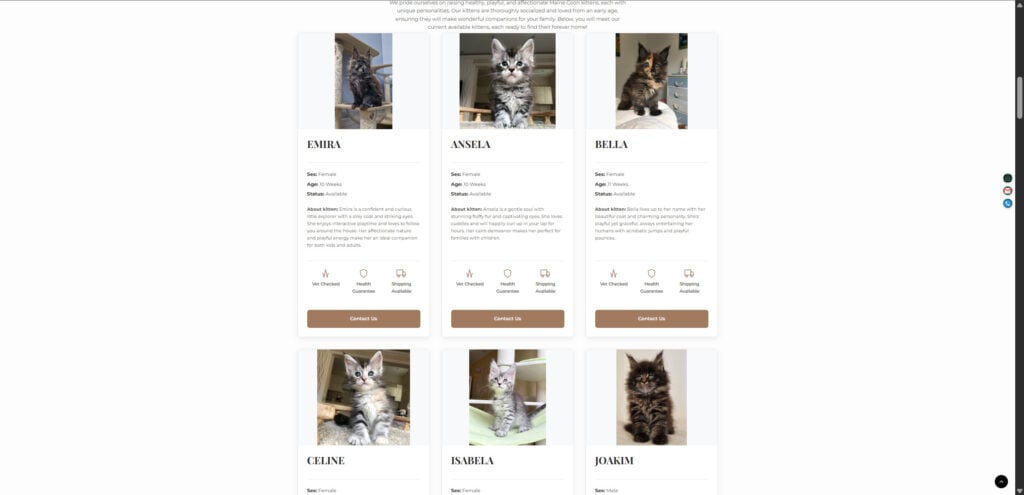
Scammers claim their kittens come with extensive documentation such as vaccination records, health certificates, registration papers, and pedigree information. These fraudulent claims make the kittens seem legitimate and desirable, increasing buyer confidence and reducing suspicion.
The payment methods requested are nearly always insecure and irreversible, including wire transfers, Zelle, Venmo, CashApp, gift cards, or cryptocurrency. Once scammers receive the initial payment, they begin inventing reasons to request additional funds. These might include transportation fees, mandatory pet insurance, unexpected vet bills, quarantine charges, or even special travel crates—all presented urgently to emotionally manipulate victims into paying quickly.
Often, scammers pressure victims with claims that other buyers are interested in the same kitten, creating a false sense of urgency to complete the purchase immediately. After receiving multiple payments, the scammers vanish—cutting off all communication, leaving victims heartbroken, without the kitten, and with significant financial losses.
These scams are recurrent because scammers regularly change website domains, pet breeds, kitten names, and stories to avoid detection. They often steal kitten photos from legitimate breeders, pet adoption sites, and social media platforms, adding authenticity to their listings. Because of the emotional investment victims make, these scams are devastating not only financially but psychologically, causing many to distrust genuine online breeders and adoption opportunities.
The rise of these scams highlights the importance of vigilance, education, and awareness when adopting kittens online. Being informed can mean the difference between bringing home a new feline friend or losing thousands to ruthless fraudsters.
How the Scam Works
Understanding how kitten scams operate can significantly reduce your chances of falling victim. Here’s a detailed breakdown of the typical scam process:
Step 1: Initial Attraction
- Potential buyers find appealing kitten websites through social media ads, online classifieds, Google searches, or even unsolicited emails.
- Websites feature high-quality photos of kittens with emotionally appealing descriptions and low prices (usually between $500-$1,000).
Step 2: Building Credibility
- Scammers carefully craft fake testimonials, positive customer reviews, health guarantees, refund policies, and even breeder backstories to establish credibility.
- Each kitten listing includes detailed descriptions of breed, temperament, age, and individual names to personalize the experience and enhance buyer trust.
Step 3: Initial Contact
- Interested buyers contact scammers via an online form, selecting the desired kitten by its name, further increasing their emotional attachment.
- Scammers respond swiftly with friendly and professional communication, appearing genuinely concerned about the kitten’s future home.
Step 4: Payment Request
- Buyers are pressured to secure the kitten immediately by making payments through unsecured methods such as wire transfer, digital wallets, cryptocurrency, or gift cards.
- Scammers emphasize urgency, claiming the kitten is highly sought after and may be sold to another buyer if payment is delayed.
Step 5: Escalating Costs
- After the initial payment, scammers quickly invent additional costs to extract further payments. Common fabricated issues include:
- Urgent shipping crate upgrades for kitten safety.
- Mandatory veterinary checks or vaccinations before shipping.
- Required pet travel insurance or quarantine charges.
- Customs duties or international shipping complications.
- Each scenario is emotionally charged, exploiting buyers’ anxieties about their kitten’s well-being.
Step 6: Ceased Communication
- After extracting as much money as possible, scammers abruptly cease all communication, leaving victims without their promised kitten or refunds.
- Victims often feel embarrassed, devastated, and betrayed, realizing they’ve fallen victim to a well-crafted emotional trap.
Step 7: Scam Recycling
- Once discovered or exposed, scammers shut down their fraudulent sites and rapidly create new ones, featuring different kitten breeds, names, and photos, continually deceiving new victims.
What to Do if You Have Fallen Victim to This Scam
If you suspect you’ve been a victim of a kitten scam, immediate action is vital. Follow these detailed steps:
- Immediately Stop Payments
- Cease all further financial transactions to the scammers, no matter how pressured or threatened you feel.
- Collect Evidence
- Gather all emails, text messages, screenshots, payment receipts, and details of the fraudulent website.
- Contact Your Bank or Payment Service
- Immediately inform your bank or payment provider to dispute transactions and attempt fund recovery.
- File a Police Report
- Report the scam to your local law enforcement agency to document the incident officially.
- Report to Federal Agencies
- Contact the Federal Trade Commission (FTC) at 1-877-382-4357 or through their website at www.ftc.gov.
- File a detailed complaint with the FBI’s Internet Crime Complaint Center (IC3) at www.ic3.gov.
- Monitor Financial and Personal Information
- Regularly check your bank statements, credit reports, and online accounts for unusual activities.
- Consider identity theft protection or credit monitoring services.
- Raise Awareness
- Share your experience through online reviews, social media, pet-related communities, and forums to prevent others from becoming victims.
- Consult Legal Advice
- If losses are substantial, consult with an attorney to explore potential legal remedies.
The Bottom Line
Online kitten scams exploit people’s love for animals, creating financial hardship and emotional distress. By understanding scammers’ tactics—including personalized kitten listings, low prices, fabricated costs, and urgent requests for unsecured payments—you can significantly reduce your risk. Always verify breeders through reliable channels, insist on secure payment methods, and remain skeptical of deals that seem too good to be true. Education and vigilance remain the most powerful tools to protect yourself and others from becoming victims of these heartless scams.
Frequently Asked Questions (FAQ) About Online Kitten Scams
1. What is an online kitten scam?
An online kitten scam is a fraudulent scheme where scammers create fake websites or social media pages claiming to sell purebred or rare kittens. They display attractive photos and low prices, typically between $500 and $1,000, to lure buyers. Victims pay for a kitten that does not exist and often lose additional money to fabricated shipping and insurance fees.
2. How do kitten scams typically operate?
Scammers use professional-looking websites featuring fake testimonials, breeder guarantees, and kitten listings with detailed descriptions and names. Victims usually contact scammers through an online form, selecting a kitten by name, and are pressured to make payments via insecure methods like wire transfers, Zelle, Venmo, CashApp, gift cards, or cryptocurrency. Once scammers receive the money, they disappear without delivering the kitten.
3. What breeds are most commonly used in these scams?
Popular breeds used in scams include:
- Maine Coon
- Ragdoll
- British Shorthair
- Persian
- Siamese
- Bengal
- Scottish Fold
- Russian Blue
Scammers choose breeds that are in high demand and expensive, making their low-price offers seem like irresistible deals.
4. What are the signs of a kitten scam?
Key red flags include:
- Prices that are significantly below market value ($500–$1,000 for a purebred kitten).
- Payment requests through non-reversible methods (wire transfers, cryptocurrency, gift cards).
- Refusal to allow live video calls or in-person visits to see the kitten.
- Websites with poor grammar, generic content, or identical photos across different sites.
- Pressure to act quickly due to “high demand” or claims that the kitten will go to another buyer soon.
5. Why do scammers assign names to kittens?
Scammers give kittens names like Bella, Luna, Oliver, Leo, or Daisy to make the listings feel personal and authentic. This tactic helps create an emotional connection with the buyer, increasing the chances they will pay without questioning legitimacy.
6. Why are kittens listed at such low prices in scams?
Scammers set prices between $500 and $1,000 because it feels reasonable for a purebred kitten, yet low enough to appear like a good deal. This pricing strategy exploits buyers looking for affordability without triggering suspicion.
7. What excuses do scammers use to ask for more money?
After receiving the initial payment, scammers often invent additional charges to squeeze more money from victims. Common fake fees include:
- Mandatory shipping crates.
- Travel insurance or health clearance.
- Veterinary checks or vaccinations.
- Quarantine costs.
- Customs or international transport fees.
These demands are framed as urgent to pressure victims into paying immediately.
8. What payment methods do scammers prefer?
Scammers almost always request irreversible payments such as:
- Wire transfers (e.g., Western Union, MoneyGram).
- Peer-to-peer apps (Zelle, Venmo, CashApp).
- Gift cards (Amazon, Walmart, etc.).
- Cryptocurrency (Bitcoin, Ethereum).
These methods offer no buyer protection and make it almost impossible to recover funds.
9. How can I verify if a kitten seller is legitimate?
- Request a live video call to see the kitten in real-time.
- Verify breeder credentials through reputable cat associations like CFA or TICA.
- Search the seller’s phone number, email, and photos online for scam reports.
- Ask for references and check online reviews from genuine sources.
- Avoid sellers who refuse video calls or demand unusual payment methods.
10. What should I do if I think I’ve been scammed?
Take these steps immediately:
- Stop all payments to the scammer.
- Gather all communication records, receipts, and screenshots.
- Contact your bank or payment provider to dispute transactions.
- File complaints with the FTC (www.ftc.gov) and FBI IC3 (www.ic3.gov).
- Report the scam to local law enforcement.
- Warn others by sharing your experience on social media and pet forums.
11. Can I get my money back after a kitten scam?
Recovery is challenging, especially if you paid via wire transfer or cryptocurrency. However, reporting the scam to your bank or payment service provider as soon as possible may help reverse the transaction. Legal action is also an option if significant losses are involved.
12. Why do kitten scams continue to thrive?
These scams persist because they are easy to set up and difficult to trace. Scammers constantly create new domains, reuse stolen kitten photos, and exploit victims’ emotional vulnerability. Many victims do not report scams due to embarrassment, allowing scammers to continue undetected.
13. Are all online kitten sellers scammers?
Not all online sellers are scammers, but extreme caution is necessary. Many legitimate breeders operate online, but they are transparent, allow video calls, use secure payment methods, and have verifiable credentials. If a deal feels rushed or “too good to be true,” it probably is.
14. How can I avoid kitten scams?
- Only buy from breeders with verified credentials.
- Meet the kitten in person or request a live video call.
- Use secure and traceable payment methods (credit card or PayPal with buyer protection).
- Research breeder names, reviews, and domain age.
- Never rush into a decision based on urgency or emotional manipulation.
15. What is the safest alternative to buying kittens online?
The safest approach is to adopt from local shelters, rescue organizations, or trusted breeders you can meet in person. This ensures transparency and eliminates risks associated with online-only transactions.

Join the discussion
0 commentsShare your experience or ask a question about this article.
Discussion
Start the conversation
Have a question or something useful to share? Add the first comment.