


A LifeWave presentation can turn a side-income idea into a much bigger financial plan, especially when the examples run into thousands each week.
Before treating those LifeWave income claims as your own forecast, look at what happened when regulators examined one prominent recruiting team.
Overview
The recruiting pitch behind the case
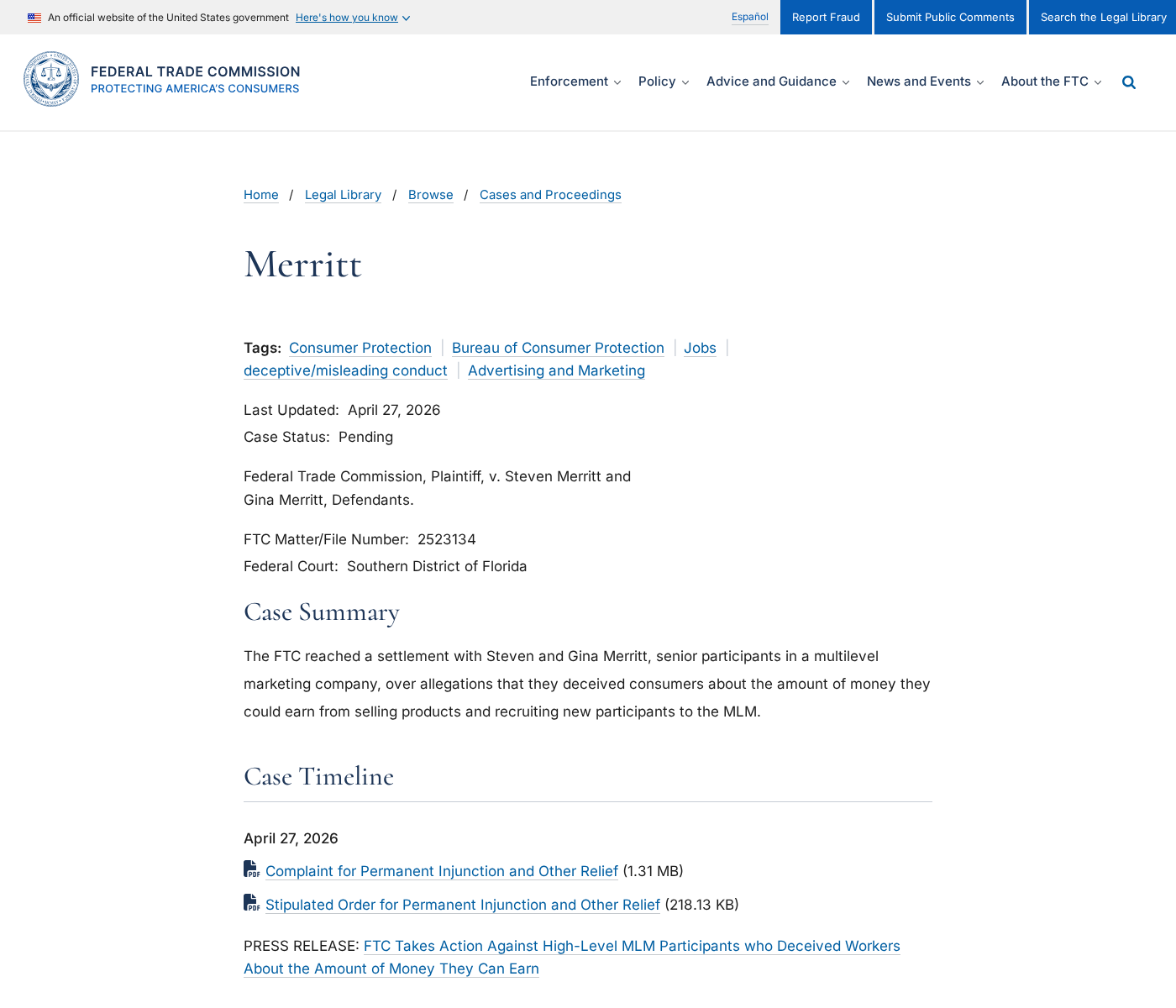
Steven and Gina Merritt promoted the LifeWave opportunity through their This Is It team. The FTC challenged their earnings representations in April 2026.
The issue is what prospective recruits were led to expect, and whether the presentation gave them a fair picture of their chances.
A settlement with specific limits
The FTC case record describes a settlement over deceptive-earnings allegations. The Merritts neither admitted nor denied those allegations in the stipulated terms.
A later FTC litigation report says the permanent injunction was entered on April 30, 2026. That is a civil enforcement outcome, not a criminal conviction.
The decision facing a prospective recruit
An impressive success story answers what happened to someone else. Joining requires a separate answer: what customers, costs, time, and realistic returns would your business involve?
- Ask for ordinary participant results, including people who received no company commissions.
- Separate money received from profit left after expenses.
- Read the agreement before buying products or committing to events.
- Keep your household budget independent of an unproven earnings forecast.
What the FTC Settlement Actually Changed
The stipulated order prohibits misleading earnings representations and requires written support for claims about expected, typical participant earnings.
Its terms also require notice to the Merritts’ downline. They cover representations conveyed through lifestyle imagery as well as words.
That matters when a presentation uses houses, travel, or purchases to imply what joining will produce. A financial promise can be communicated without an explicit guarantee.
The published stipulation has a blank judicial signature line. The separate June FTC report supplies the April 30 entry date.
The FTC’s brief case page still carries an April 27 update and a Pending label. Read that alongside the later report, not in isolation.
A recruiting testimonial still needs context before it can help you make a decision. Ask how the result compares with people starting where you are.
How the This Is It Recruiting Pitch Worked
Step 1: Make an income goal feel within reach
The FTC complaint describes online presentations about substantial income, financial freedom, and changing a family’s circumstances. Its cited examples date from 2023 through 2025.
If you’re already worried about bills, a confident plan can feel like relief before you’ve worked through the numbers. Leave room for that second conversation.
Write down the amount you need each month. Then identify which actual sales would generate it, rather than starting with the most exciting number on screen.
Step 2: Put a weekly figure beside a recruiting target
One filed presentation chart connects convention-attendee counts with weekly earnings, including 300 attendees beside $25,000. The FTC reproduced it in the complaint.
A chart like that can make a business seem easier to predict than it is. Counting people is simpler than explaining who buys, returns, or stops participating.
Before accepting a target, ask what must happen after those people attend. Attendance, enrollment, sales volume, commission eligibility, and money reaching your account are different events.
Step 3: Let exceptional results stand in for your prospects
The FTC alleged the overall presentation suggested recruits would or were likely to earn substantial income. It did not merely object to discussing an exceptional result.
A high earner can be real while the impression left with a newcomer is misleading. The missing piece is how often comparable beginners reach that outcome.
Ask about participants who started with similar experience and available time. Someone with an established audience, a large team, or years of sales experience isn’t your starting point.
Also ask how many tried and stopped. Hearing only from people still succeeding leaves out part of the experience you’re trying to evaluate.
Step 4: Place a qualification beneath the headline
Another filed slide pairs prominent unlimited-income messaging with a small disclaimer. The FTC alleged the disclaimers did not correct the presentation’s overall impression.
Don’t make your decision by picking whichever sentence feels most reassuring. Read the headline, spoken pitch, qualification rules, and earnings disclosure together.
If the exciting part sounds certain but the qualification makes success depend on several uncertain conditions, plan around those conditions. They determine your exposure.
Step 5: Turn enthusiasm into a spending decision
The next question is practical: what would you pay before a single outside customer buys anything? Put each proposed purchase on paper before accepting it.
For every event, tool, or product purchase, ask whether it is necessary for your own plan. An enthusiastic recommendation isn’t the same as a contractual requirement.
You can decline a business opportunity without proving anyone committed a crime. An unexplained cost or an unsuitable sales model is enough reason to keep your money.
What the LifeWave Income Figures Actually Show
LifeWave’s 2024 U.S. earnings disclosure reports an annual average of $651 before expenses for U.S. Brand Partners active at any time that year.
It also says 21% of registered, active partners received a company commission payment in at least one month for sales occurring in 2024.
Those are historical figures with defined groups. They aren’t a current income forecast, and receiving a commission doesn’t establish a net profit.
| Figure | What it describes |
|---|---|
| $651 | 2024 average annual earnings before expenses, U.S. partners active during the year. |
| 21% | Registered, active partners receiving at least one relevant company commission payment. |
| $0 | Median annual income before expenses for active participants in the lowest Brand Partner rank. |
The disclosure defines active participation broadly, including purchasing products, sponsoring another partner, or earning commissions. It does not mean everyone worked the same hours.
A mean is pulled upward by larger results. A median describes the middle result. Neither number is a personal prediction for the person watching a presentation.
Don’t divide an annual figure into weeks and present that as what a recruit will earn. Don’t compare different groups as though they were interchangeable.
Likewise, the figures don’t prove that a named promoter never earned a large amount. The question is whether the presentation fairly describes a newcomer’s prospects.
Work Out What Would Actually Be Left
A useful forecast starts with customers you could reach without recruiting them into the opportunity. Name the product, the likely selling price, and your cost.
Keep personal consumption separate. Buying something for yourself may be a household purchase; it isn’t evidence that you have found an outside customer.
Here’s a hypothetical example, not a LifeWave earnings estimate. Suppose your margin after buying and delivering each order is $15, before other business costs.
With $150 in monthly overhead, ten such sales would cover that overhead. They would not yet pay you for the hours spent finding and serving customers.
At eight sales, the $120 margin would leave you $30 short. Adding a $100 event ticket would widen that month’s shortfall to $130.
Change the figures to your own documented costs. The point is to discover your break-even position before a motivating weekly-income target takes over.
- Record cash received, including commissions and genuine customer payments.
- Subtract the costs attached to those sales and any refunds.
- Add the business expenses you actually paid, rather than the ones a presentation mentioned.
- Track unpaid time separately so a small cash surplus isn’t mistaken for a worthwhile hourly return.
Unsold inventory needs its own line. Its purchase cost has left your account, even if you hope to sell it later. Expected sales aren’t collected income.
Repeat the calculation for a slower month, not just your best scenario. If ordinary living expenses depend on the optimistic version, the plan is too fragile.
Who Is Responsible for the Pitch and Your Account?
LifeWave and the named recruiters are different parties
LifeWave sells products through Brand Partners. The defendants in this particular FTC case are Steven and Gina Merritt, not LifeWave itself.
Keep that distinction when asking for help. A complaint about a presentation should identify who made it; a product return should identify the seller and order.
Company guidance is separate from a team presentation
LifeWave’s own social opportunity guidance warns against exaggerated income claims. It lists claims about quitting a job, guaranteed earnings, and unlimited income among language to avoid.
It also provides disclosure wording about effort, skills, expenses, and historical results. A team logo or company-branded slide should not replace reading those qualifications.
Ask for the actual written basis for the earnings claim you’re hearing. A compensation plan describes how payment can be calculated; it doesn’t show how often newcomers succeed.
Different payments may have different recipients
Your product order, membership arrangement, and any separately purchased event or training should have identifiable receipts. Check the payee rather than assuming one refund request covers everything.
Keep promises made by a recruiter with that recruiter’s correspondence. Send the company the relevant order details, rather than assuming it knows what you were told privately.
Use the rules covering your own purchase
Before seeking a return, find the agreement and regional policy attached to your order. Confirm your account type, relevant dates, required authorization, and return instructions.
An old earnings disclosure is not a safe substitute for current return terms. Don’t assume a customer guarantee applies unchanged to a Brand Partner purchase.
Ask the company for a written answer before mailing products. Keep the response with the receipt, and retain proof of any return you send.
What to Do If You Joined After These Income Claims
-
Pause commitments that depend on the advertised income.
Don’t buy more simply to make earlier spending feel worthwhile. Separate products you personally want from purchases intended to qualify for a hoped-for business result.
Review scheduled orders, event bookings, and account renewals. Cancel anything unwanted through the appropriate official account or provider, and save the confirmation.
-
Preserve the exact presentation you relied on.
Keep its link, date, screenshots, accompanying messages, and any written earnings explanation. Include visible disclaimers and qualifications so the record reflects the complete impression.
Write down which claim influenced each payment. Store private correspondence securely; posting other participants’ personal information publicly won’t resolve your account.
-
Calculate your actual position.
Use statements and receipts, not a projected team chart. List money received, inventory still held, returnable purchases, borrowing costs, and other expenses separately.
If you need help, take that record to an independent accountant or adviser. Choose someone who doesn’t earn from persuading you to stay enrolled.
-
Make a specific written cancellation or refund request.
Identify the account, order, payment date, amount, and remedy you want. Ask for the policy version and instructions applying to your circumstances.
Keep product-return requests separate from disputes about event tickets or training. The FTC settlement is not, by itself, a guarantee that every expense will be repaid.
-
Raise genuine billing problems promptly.
If a charge was unauthorized or you dispute what was supplied, contact the payment provider and explain the facts accurately. Don’t describe an authorized purchase as unauthorized.
The CFPB advises credit-card customers to report problems promptly and preserve written records. Dispute rights, procedures, and deadlines depend on the issue.
Low earnings alone don’t guarantee a chargeback. Ask which options apply to the transaction rather than assuming the card issuer can reverse all business losses.
-
Report misleading claims without repeating them.
U.S. readers can submit details through ReportFraud.ftc.gov. Identify the presenter, the material statement, and the payments connected with it.
If you recruited someone using the same claim, correct the information calmly. Don’t promise to recover their spending by bringing in another person.
Frequently Asked Questions
Did the FTC declare LifeWave itself a scam?
No. This case names the Merritts and addresses their recruiting-income representations. It does not establish that the company or every LifeWave product is fraudulent.
Did the Merritts admit the FTC allegations?
No. The stipulated terms say they neither admit nor deny the allegations, apart from jurisdictional facts. Settlement and a criminal conviction are different outcomes.
Was the permanent injunction actually entered?
The FTC’s June 2026 litigation report records entry on April 30, 2026. The blank signature line in the published stipulation alone would not establish that.
Does the $651 figure mean everyone earned that amount?
No. It is a historical 2024 U.S. average for the specified active group, before expenses. Individual results differ, and a mean is not a guaranteed payout.
Does buying a product prove the income pitch was accurate?
No. Receiving something you ordered answers a delivery question. Whether a recruiting presentation fairly described your likely business results is a separate question.
Will the FTC settlement automatically refund my costs?
The settlement is not an automatic refund. Contact the business that took each payment, with your receipt and the terms covering it.
The Bottom Line
Don’t join the Merritts’ LifeWave opportunity on the strength of exceptional income stories. A promising presentation is no substitute for a workable sales plan and documented costs.
These LifeWave income claims drew an FTC settlement and an entered injunction. Keep that consequence separate from unproved accusations about the entire company or its products.
If you’ve already joined, pause income-driven spending, total what actually came in and went out, and request any available cancellation or return in writing.

Join the discussion
0 commentsShare your experience or ask a question about this article.
Discussion
Start the conversation
Have a question or something useful to share? Add the first comment.