


Paying the electricity bill is familiar. An offer that lets you own electricity instead, while receiving payments for storing it, presents a much more intriguing possibility.
FTG Energy builds its pitch around that change in perspective. Before the small token price makes participation feel straightforward, there are some important distinctions worth understanding.
Overview
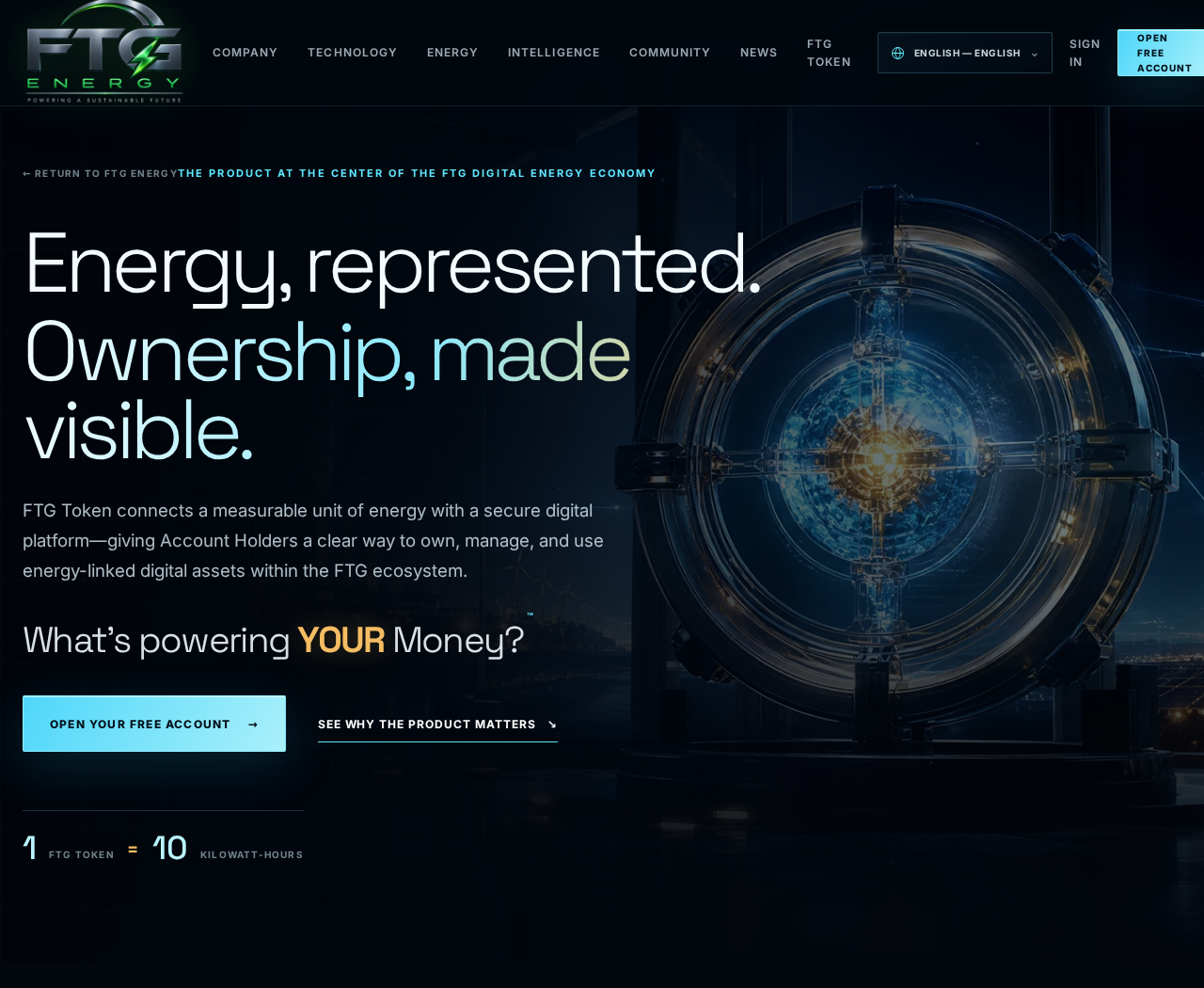
The offer turns electricity into a privately issued token
FTG Energy presents each FTG Token as representing 10 kWh of electricity. Its value page lists a $5 base price and describes a variable energy-related yield.
This is not the same transaction as paying your local utility for delivered power. A token balance inside FTG’s platform comes with its own contractual boundaries.
The public token page says ownership does not provide equity, dividends, voting rights, or a guaranteed return. Transfers and redemption may depend on jurisdiction and platform readiness.
The income language needs to be read beside the contract
The marketing describes getting paid while FTG stores electricity. The terms, meanwhile, require purchasers to acknowledge that they are not making an investment or expecting managerial profits.
Calling the payment a storage fee does not answer every practical question. Buyers still need to understand where payments come from and what enforceable rights they receive.
The buying recommendation is separate from a criminal finding
This is a commercial-risk investigation, not a finding that every FTG participant was defrauded. The strongest concerns are the offer’s boundaries and its unusually restrictive dispute language.
- Do not treat a patented system as a guarantee that token income will materialize.
- Separate a free account from a paid subscription and a separate token purchase.
- Check the purchase agreement for actual redemption and withdrawal rights before sending money.
- Keep subscription cancellation separate from any request concerning tokens already purchased.
What the $5 Token Price Actually Describes
The FTG Value page describes a $5 token representing 10 kWh. It allocates $1.10 to electricity and $3.90 to infrastructure and other components.
Those figures explain the seller’s pricing model, not an independent valuation of what a buyer could recover. A purchase price and an available cash-out price are different things.
Buying 20 tokens at that stated base price would cost $100 before any separately applicable charges. The platform’s stated representation would be 200 kWh.
That arithmetic does not establish a way to apply 200 kWh to your household bill. Such a benefit requires an actual contractual and operational delivery route.
The same distinction applies to storage. An account entry referencing energy does not itself identify the storage facility, capacity reserved for you, or conditions for obtaining usable electricity.
For someone attracted by an income opportunity, the useful number is not only the entry price. Fees, realizable value, access conditions, and payment obligations determine the practical outcome.
How the FTG Energy Offer Is Presented
Step 1: The energy-ownership story creates the reason to participate
The homepage frames ordinary electricity spending as a relationship the reader can change. Rather than only consuming energy, the participant is invited to own an energy-linked digital asset.
That is an appealing story because the underlying commodity is familiar. Everyone understands that homes and businesses need power, even without understanding the proposed token infrastructure.
The missing step in that intuition is the buyer’s own legal right. Global demand for electricity does not automatically establish demand for a particular privately issued token.
Step 2: A free account lowers the apparent commitment
The public pages invite visitors to open an account without a fee. A free account should not be confused with free tokens or unrestricted access to every feature.
Separate each decision as you proceed: creating an account, accepting a paid subscription, and acquiring tokens. Record what costs apply to the specific choice you actually make.
The public invitation does not establish what every logged-in customer sees. No purchase or registration was completed for this article, and no post-payment behavior was tested.
Step 3: The token supplies a concrete-looking measure
The 10 kWh reference makes the asset easier to visualize. It can also encourage a buyer to assume the token behaves like a redeemable utility credit.
The token page’s own boundaries are important here. Some functions depend on availability, readiness, jurisdiction, and the agreements that govern the account.
Before paying, identify which function works now and what agreement requires the company to provide it. A future platform feature is not the same as a present entitlement.
Step 4: Contract terms determine what happens when you leave
An attractive joining story does not settle the exit. Subscription cancellation, subscription refunds, token transfers, and token redemption should each be checked as separate matters.
Do not assume that canceling access automatically sells tokens back to the company. Equally, a subscription-fee guarantee should not be treated as insurance for every token purchase.
Save the agreement and confirmation relevant to each transaction. That is more useful in a dispute than a general screenshot promising a different relationship with electricity.
Patents and Regulatory References Need Their Own Checks
The patent is real, but it is not a payment guarantee
The published US11962710B2 patent record names Nicholas VandenBrekel and concerns energy-backed digital units. This is more specific than an unsupported claim to possess intellectual property.
However, a patent describes protected invention claims. It does not certify current storage reserves, prove that customer payments are sustainable, or promise a particular buyer a profitable exit.
The published record also shows assignment history. That illustrates why a patent, its inventor, a licensee, and the company taking your payment should not simply be treated as interchangeable.
A buyer needs the commercial agreements connecting those roles. The existence of a technical invention does not supply the missing contract for a consumer transaction.
A general SEC release is not named product approval
FTG’s terms refer to SEC/CFTC Release 33-11412 when describing token classification. The actual release concerns crypto-asset categories and transactions, not an FTG product-approval certificate.
Its discussion separates an asset’s characteristics from the circumstances in which it is offered. Marketing and promises can matter when assessing a transaction.
That does not authorize this article to issue a final legal ruling on FTG. It does mean a release number should not be read as a regulator guaranteeing repayment.
If a promoter claims specific regulatory clearance, request the exact decision naming the entity and offer. A link to broad guidance answers a different question.
Company, Support, and the Energy Ownership Chain
The operator needs to match the agreement taking your money
The terms name Farad Technologies Group, LLC as the contracting entity. The patent record separately connects that name to the original application history.
That connection is useful, but it does not independently verify every current business claim. Compare the entity on your agreement, receipt, and payment descriptor before drawing ownership conclusions.
FTG Energy, Farad-related branding, an inventor’s name, and a technology license are distinct identifiers. A change in presentation should not make the actual contract counterparty disappear.
A corporate address would not prove stored electricity
This is not a parcel-fulfillment investigation, and there is no reason to invent a warehouse story. The material location question concerns the energy infrastructure behind the ownership claim.
A registered office, patent address, or promotional facility image would answer only part of that question. None individually establishes the quantity of electricity supporting customer balances.
Meaningful verification would connect current operational records to the issued units and the buyer’s rights. A polished picture of infrastructure is not a substitute for that connection.
Support and subscription cancellation have separate requirements
The published contact route includes support@ftgenergy.com. Listing an address establishes a route the company provides, not a tested response time or confirmation that every request succeeds.
If you hold a paid plan, preserve the cancellation request and its acknowledgment. Do not assume that deleting an app or stopping account use terminates recurring billing.
The terms distinguish subscription access from token ownership. Ask separately what remains in the account and which functions continue after the paid service ends.
Trace the right to redeem, not just the token balance
The token page makes availability conditional and denies certain financial rights. That is a reason to examine the specific purchase agreement rather than assume ordinary cash equivalence.
A displayed balance is a platform record. A withdrawal, transfer, energy redemption, or accepted external payment requires another party and rules that make the function usable.
Identify those rules before buying for income or household savings. If the promised benefit depends on future arrangements, your present purchase should be assessed on that basis.
The Refund and Dispute Wording Deserves Particular Attention
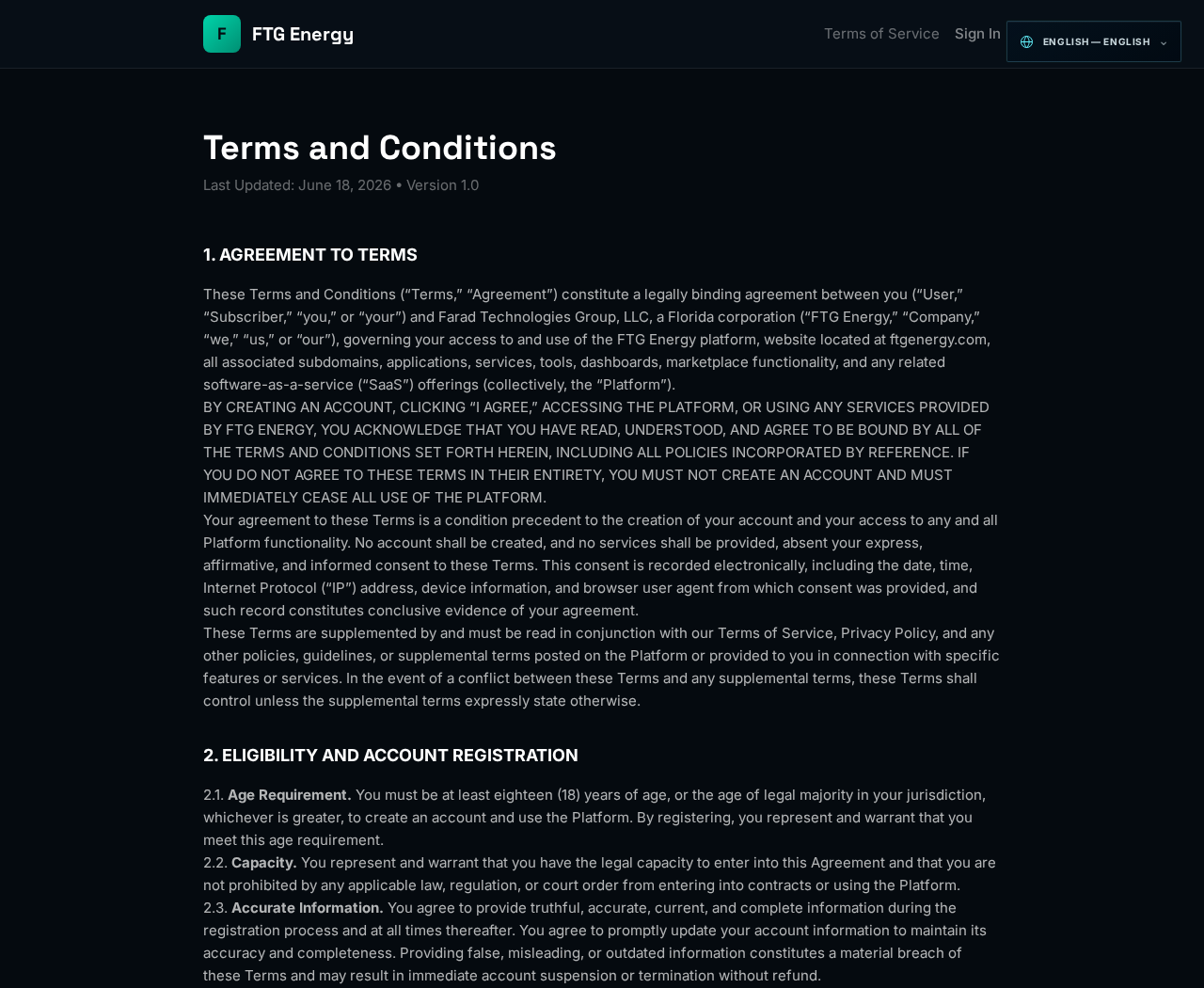
The Terms and Conditions describe recurring paid subscriptions, a 10-day initial subscription-fee refund window, and cancellation through account settings or support.
They also contain a broad chargeback restriction and threaten a minimum $250 administrative fee for disputes the company considers unauthorized. That is a serious purchase-risk signal.
A seller’s wording is not the final answer about your legal or payment-provider rights. Take any dispute threat to the provider handling the actual payment.
Ask which protections apply to the purchase you made and whether the merchant’s demand affects the process. Do not pay a threatened fee simply to avoid asking.
The subscription refund clock should not be confused with a token-value guarantee. Read what the promise covers instead of extending it to transactions the wording does not identify.
These conditions make the exit important before the first payment. A low entry price does not neutralize a costly or confusing dispute over a larger accumulated balance.
What to Do If You Already Joined FTG Energy
-
Pause additional purchases while reviewing the agreement that applies to your account. Separate token acquisition from any recurring platform charge or optional service.
Save the current balance and transaction records without treating a displayed amount as proof that cash redemption is available.
-
Download the agreement, purchase receipt, and relevant offer pages. Retain the version and date alongside any written statement explaining income, storage, or redemption.
If a promoter made a different promise, preserve that actual message rather than assuming it became part of the company’s contract.
-
Cancel an unwanted paid subscription through the published account route or support contact. Request written confirmation and retain the time the request was submitted.
Check later statements for further charges, and ask your payment provider for help if billing continues after the confirmed cancellation.
-
Ask promptly about an initial subscription-fee refund if the published window may cover your payment. Identify the payment date and the specific fee in your request.
Make a separate written inquiry about any token redemption or repayment you seek, because the subscription promise may not cover that purchase.
-
Contact the relevant payment provider about a disputed charge or concerning fee threat. Describe the transaction honestly and ask which documents and deadlines apply.
For cryptocurrency payments, preserve the network and transaction identifier. Do not assume that a normal card chargeback can reverse a direct token transfer.
-
Report specific misleading statements or unauthorized activity through the appropriate official channel. Keep private account documents out of public comment threads.
Reject anyone offering guaranteed token recovery in exchange for an advance payment, wallet connection, seed phrase, or account password.
Questions That Should Be Answered Before Another Payment
A useful answer identifies a current service, a responsible entity, and an enforceable obligation. Another explanation of why electricity is valuable does not answer those questions.
Ask how energy units are independently reconciled against issued tokens. Then ask what happens to your entitlement if storage, dispatch, or platform availability changes.
Request the exact method and conditions for leaving the position. That includes any buyer requirement, redemption restriction, applicable charge, and expected processing time.
Consider the answer in writing, not during a pressured sales conversation. If the purchase depends on income, those income rights should be understandable before you commit funds.
Frequently Asked Questions
Does one FTG Token automatically reduce my electricity bill?
No such automatic connection follows from the 10 kWh reference alone. You need the applicable agreement and an actual redemption or delivery arrangement covering your account.
Is FTG Energy’s patent necessarily fake?
No, a relevant published patent record exists. The concern is treating intellectual property as proof of operating reserves, guaranteed income, or a buyer’s right to repayment.
Does the SEC release approve this particular token purchase?
A general interpretive release is not a named approval of FTG or a repayment guarantee. Specific legal treatment depends on the relevant asset, offer, and transaction circumstances.
Does a free account mean there can be no recurring charge?
No, account opening and a paid subscription are separate choices. Review the plan you actually accepted and its confirmation rather than inferring the terms from a homepage invitation.
Will the subscription guarantee refund every token I purchased?
Do not assume that it will. Identify what the guarantee expressly covers and request a separate explanation of the rules applying to your token transaction.
Should I buy FTG Tokens as dependable passive income?
No, do not buy through this offer for dependable income. The income framing, conditional functions, and restrictive dispute language do not provide the certainty that purpose requires.
The Bottom Line
Do not buy FTG Tokens on the strength of the passive-income pitch. A real patent and an energy measure do not settle the payment, redemption, and contractual risks.
If you already joined, preserve your agreements, cancel unwanted paid access, and raise any payment concern promptly. Keep subscription remedies and token-purchase remedies separate when seeking help.

Join the discussion
0 commentsShare your experience or ask a question about this article.
Community experiences
Did this happen to you?
Your experience could help someone recognize the same scam. Submit a private report for our team to review.
I experienced this tooReports are reviewed before publication. Sharing publicly is always your choice.
Discussion
Start the conversation
Have a question or something useful to share? Add the first comment.